









On the Mooove with Gus Schumacher
Meet the Athlete:
Gus Schumacher
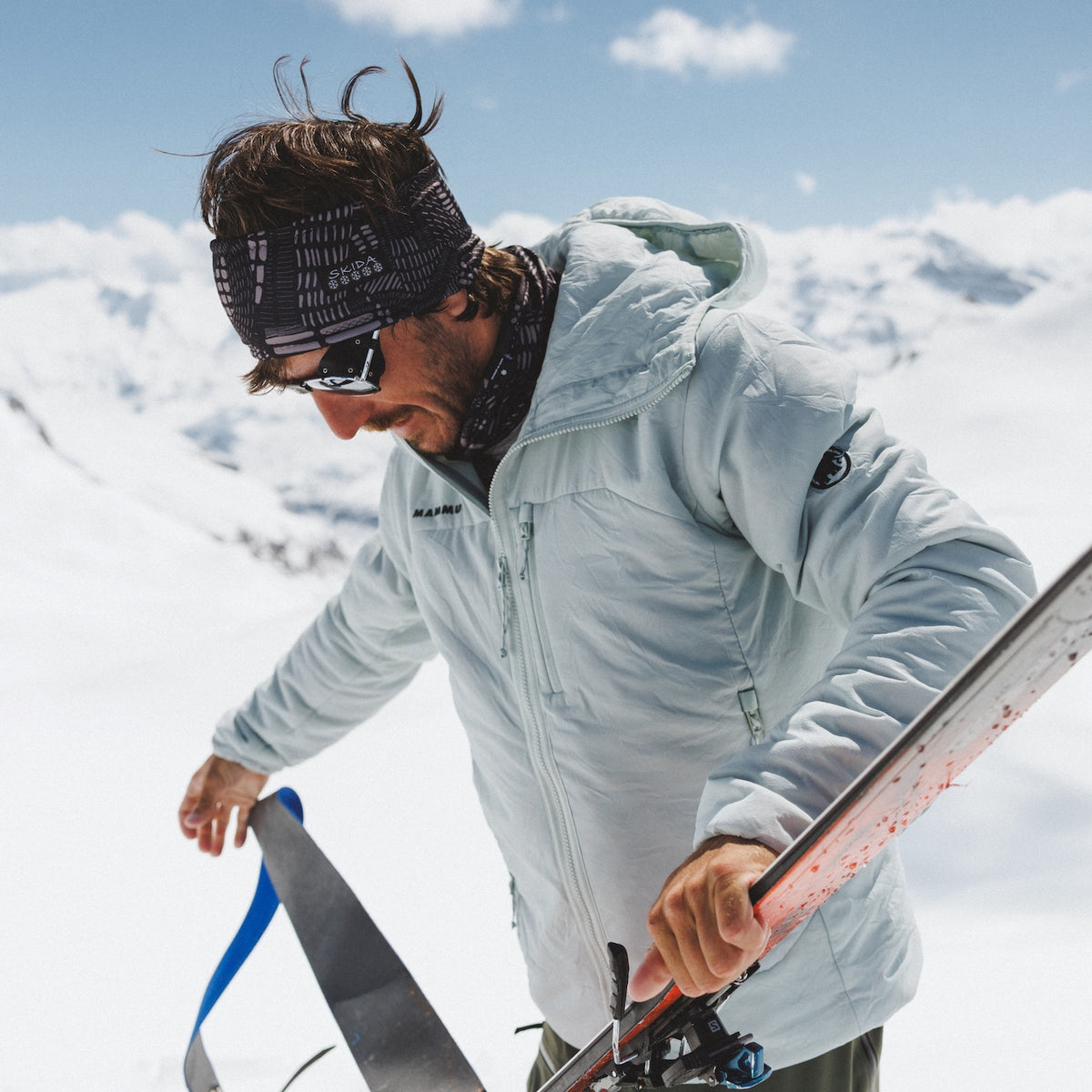
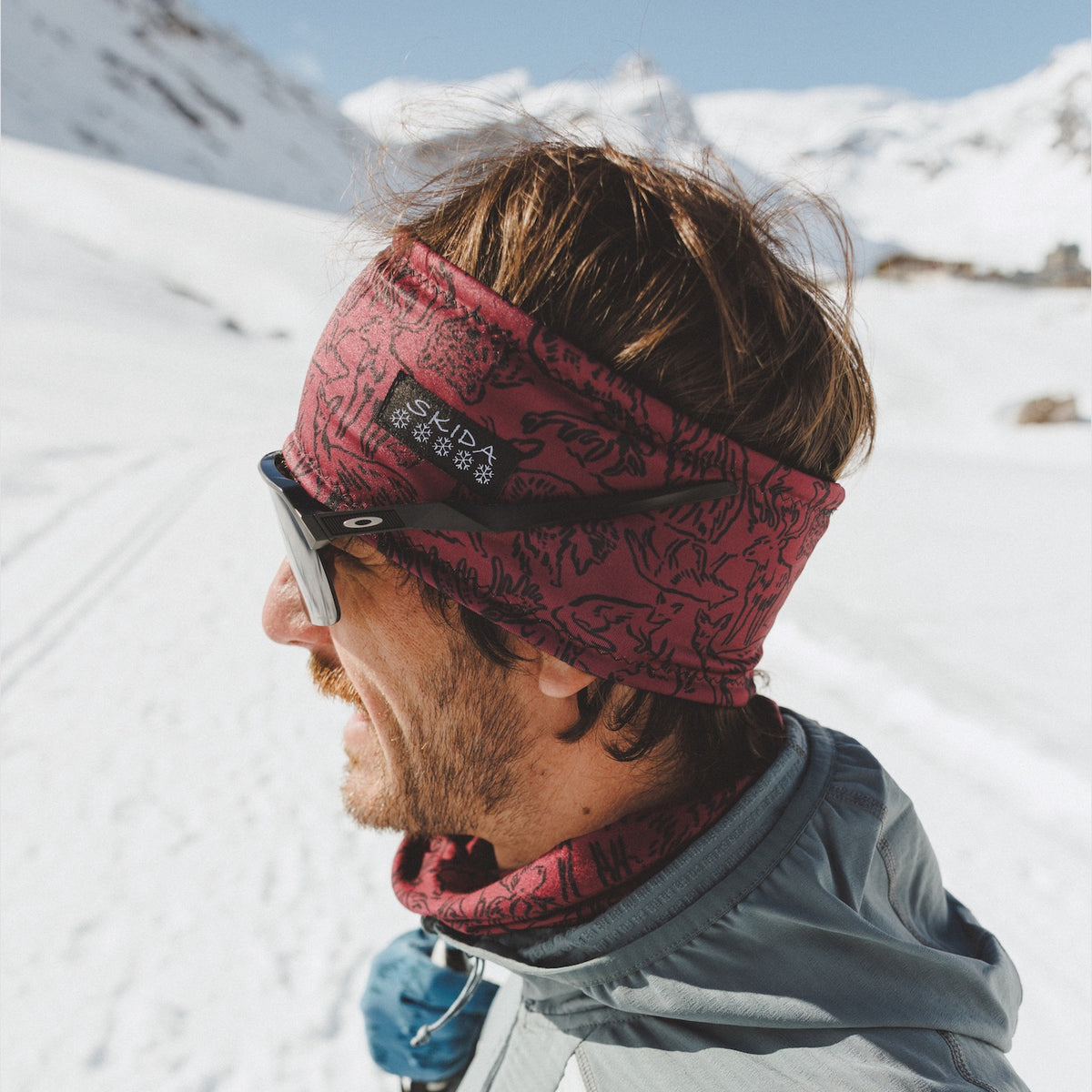
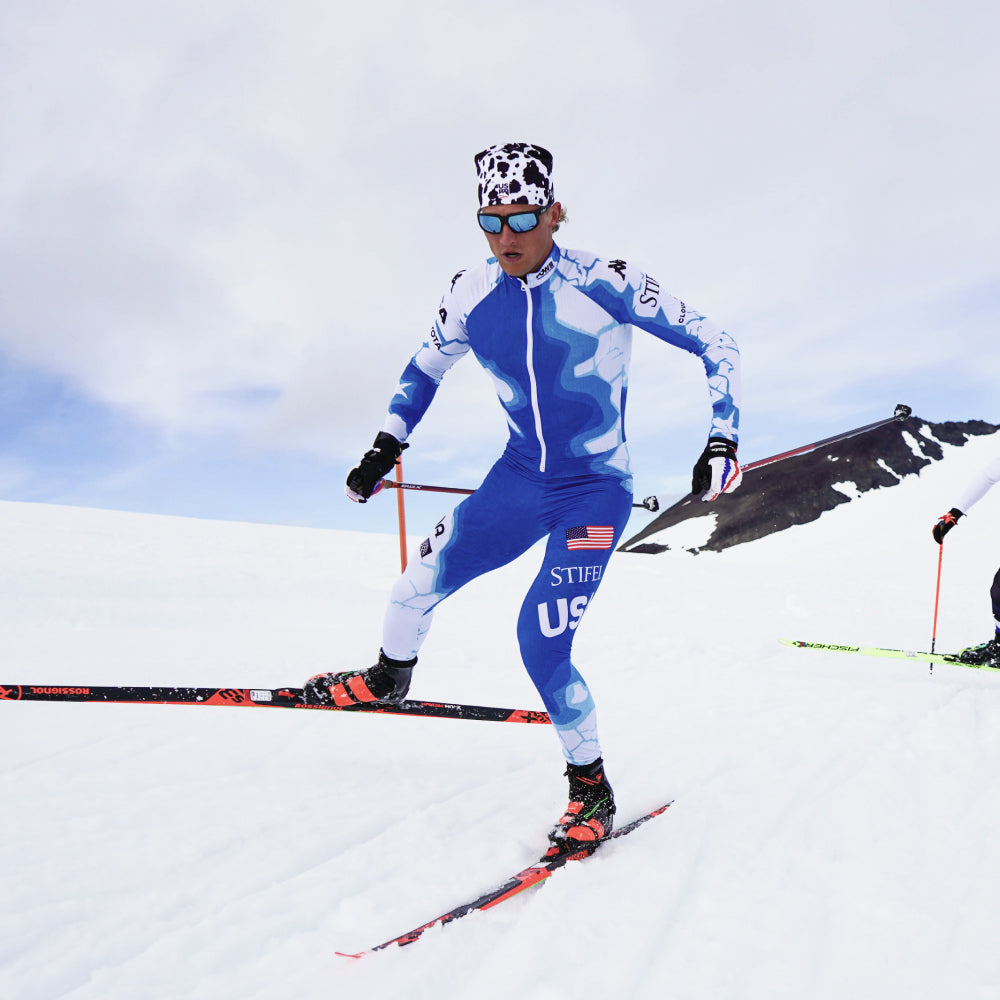
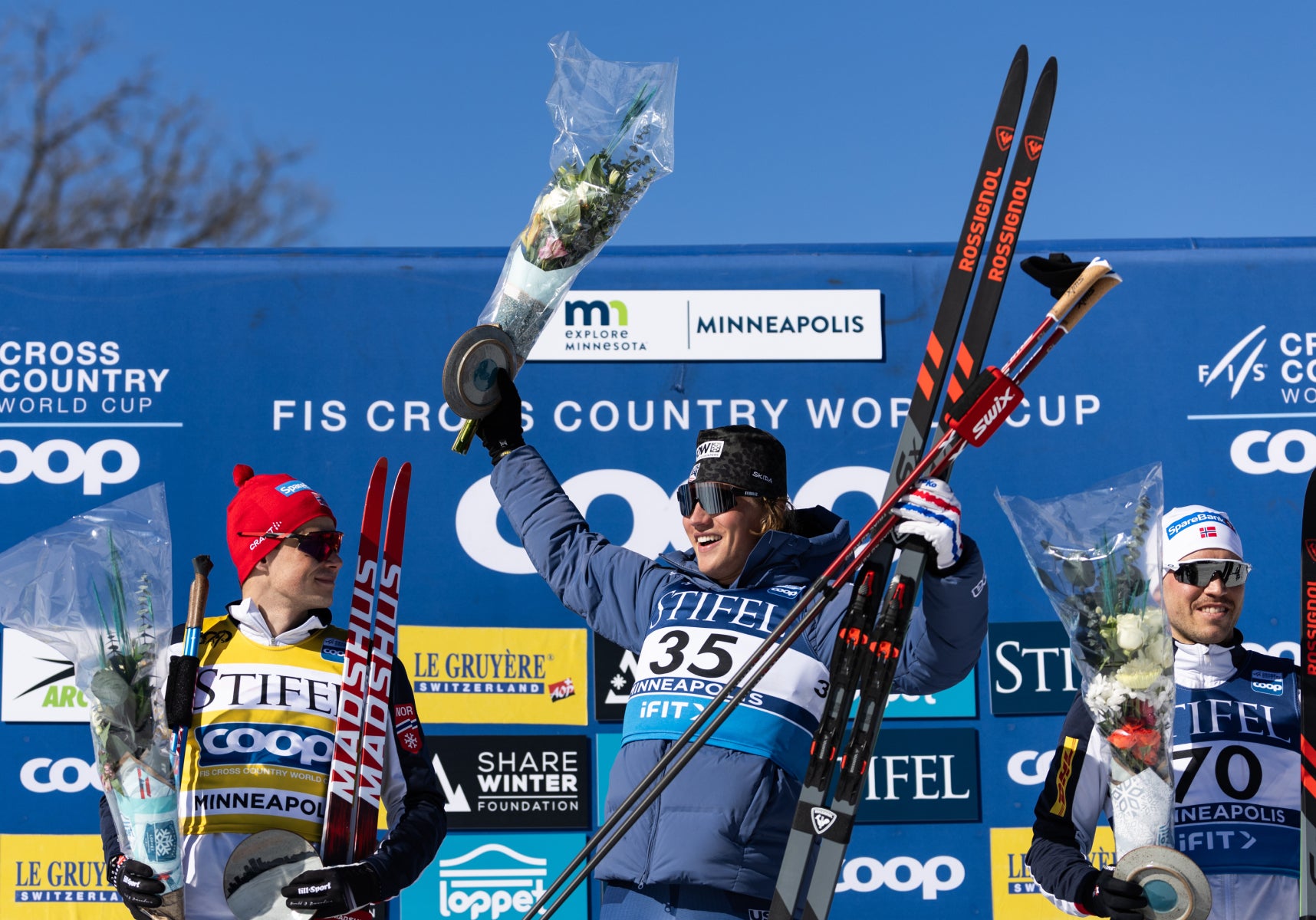
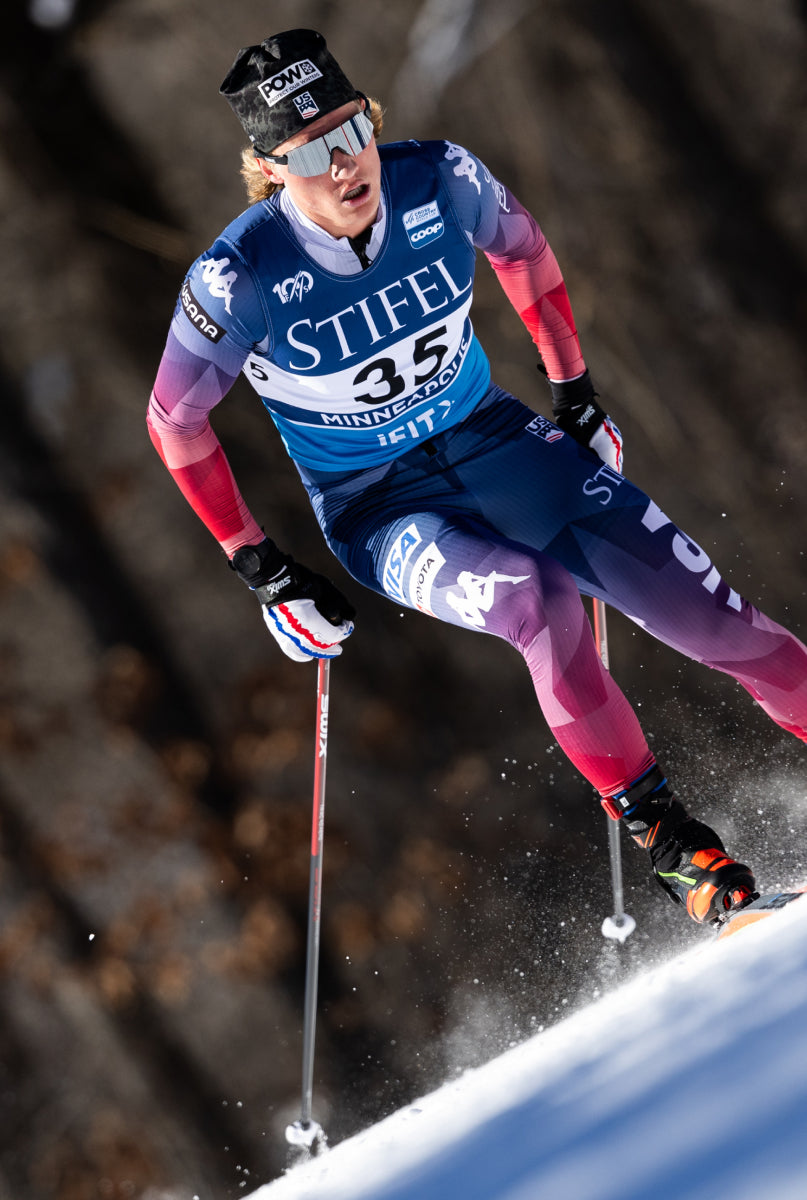
We’re proud to team up with Olympic U.S. Cross-Country Ski Team athlete Gus Schumacher. Born in Anchorage, Alaska, Gus has been chasing snow and speed since day one. He competed on the world stage at the 2022 Beijing Olympics and, in 2024, made history as the youngest American man to win a World Cup cross-country race. Known for his fearless racing style and genuine love for the sport, Gus brings heart, grit, and joy to everything he does on skis and beyond.
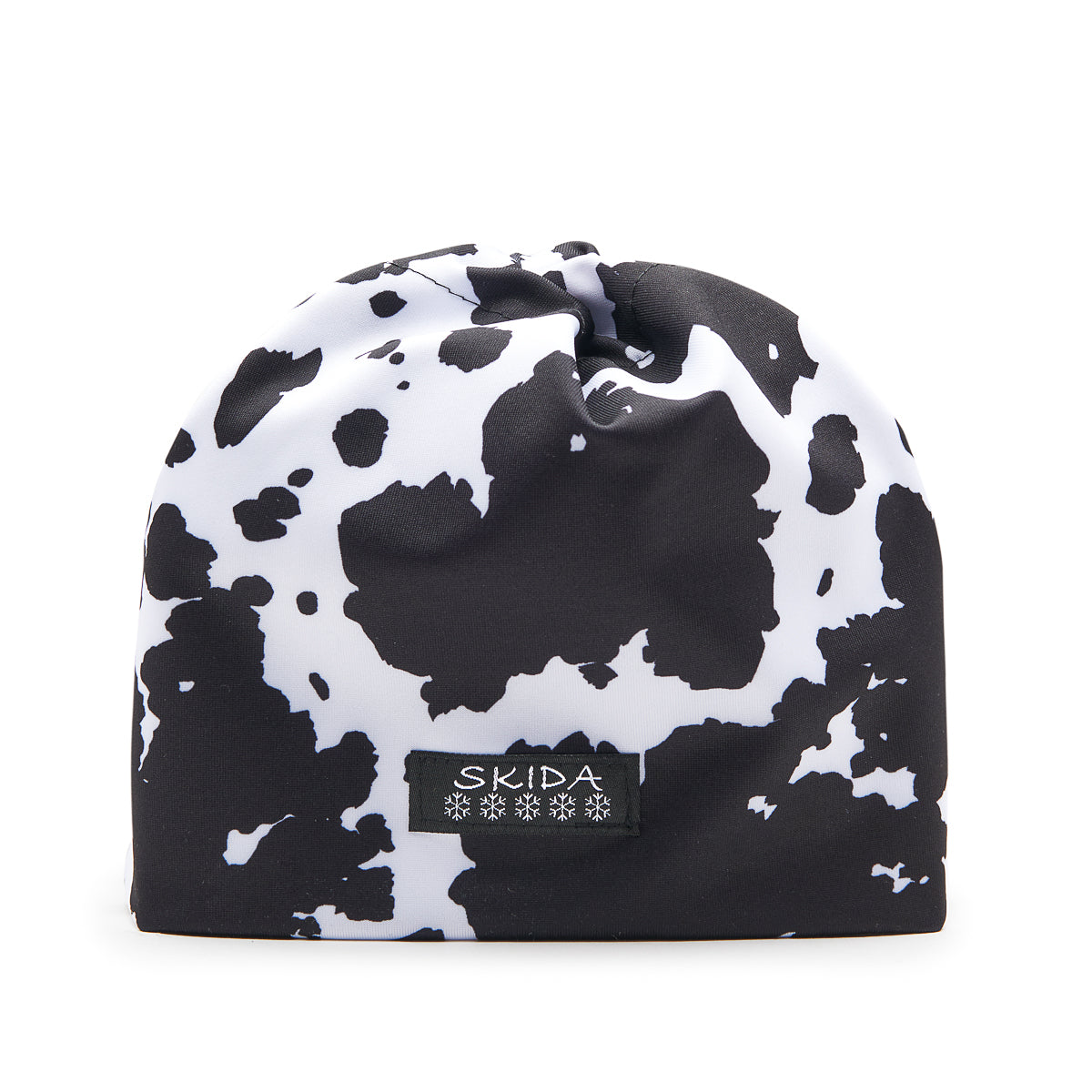
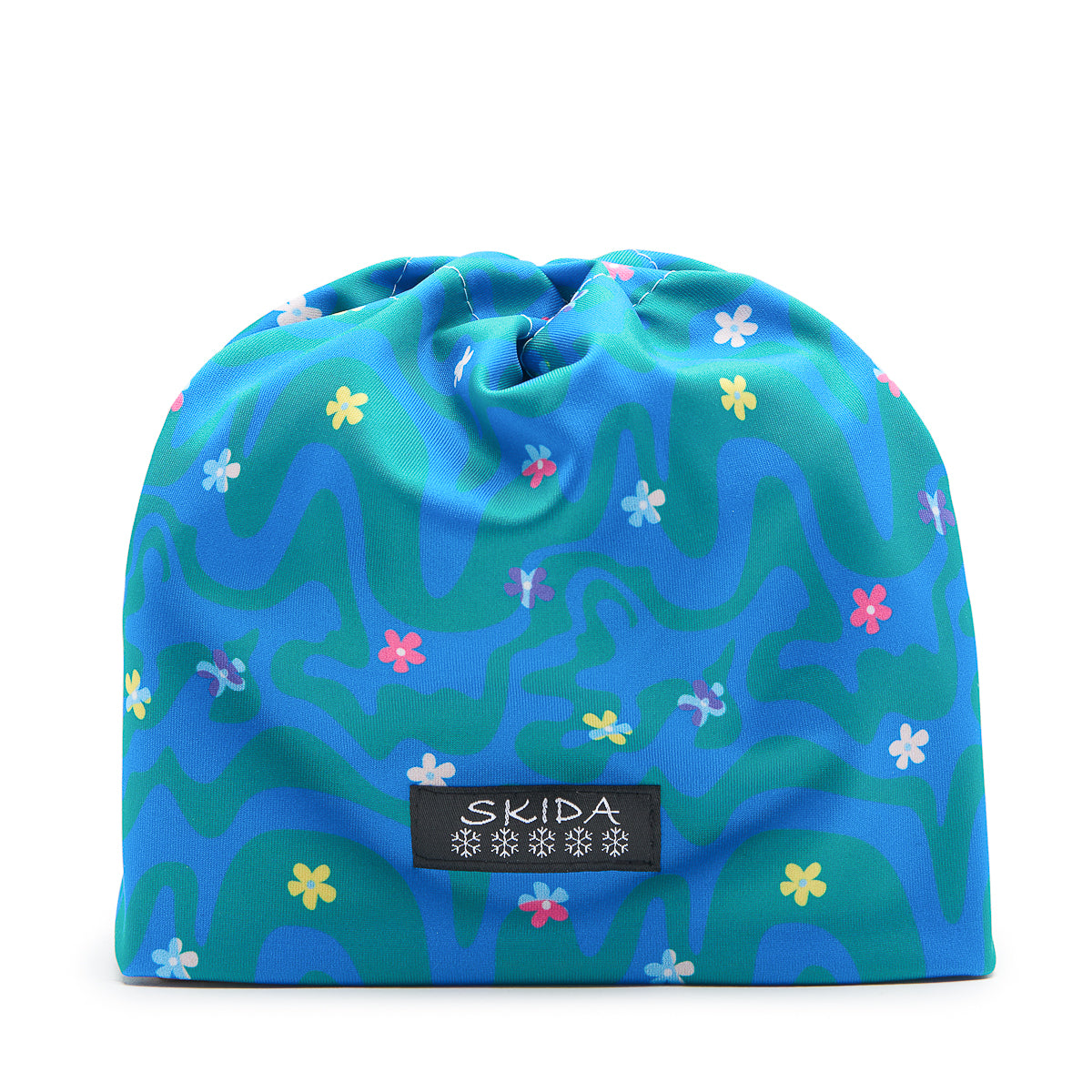
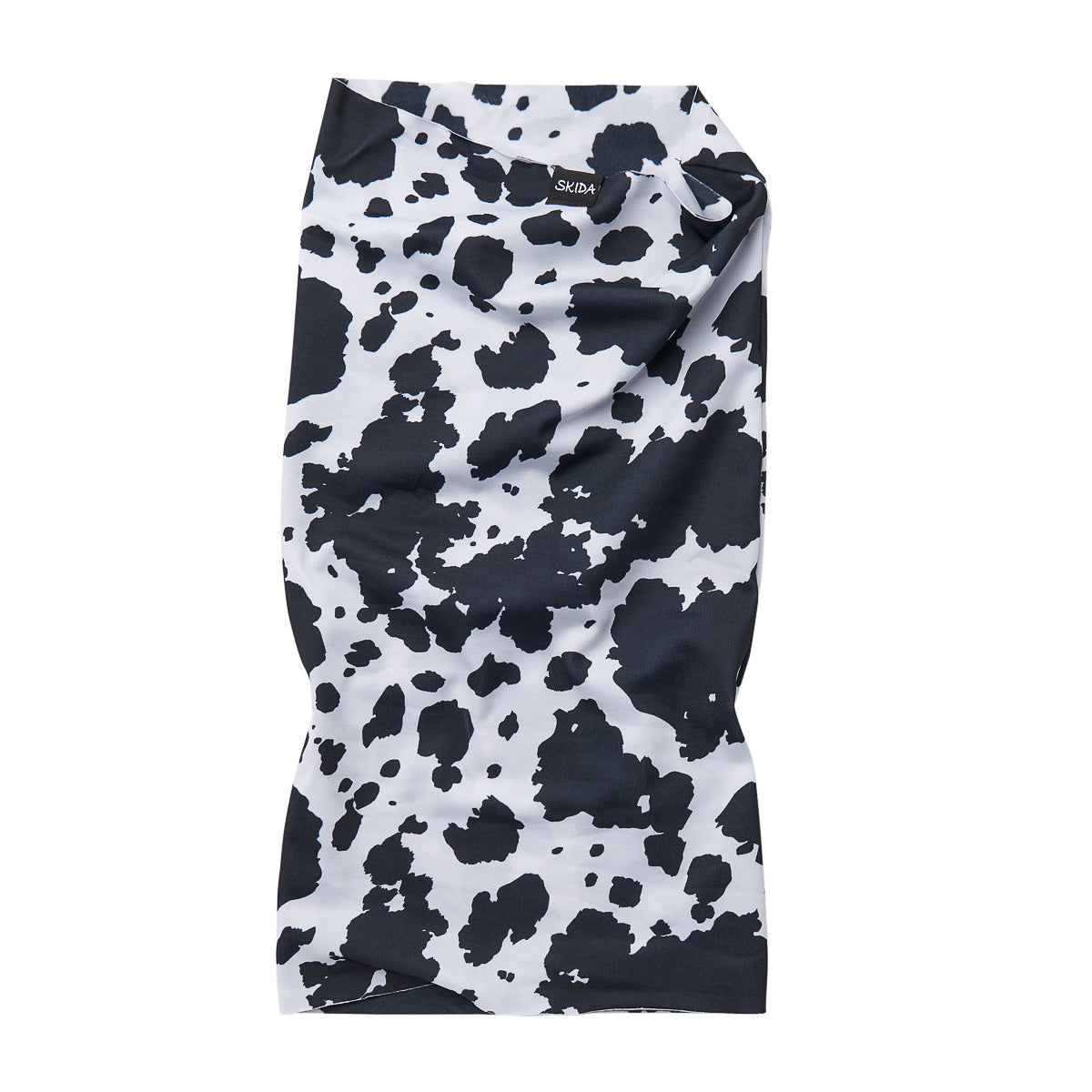
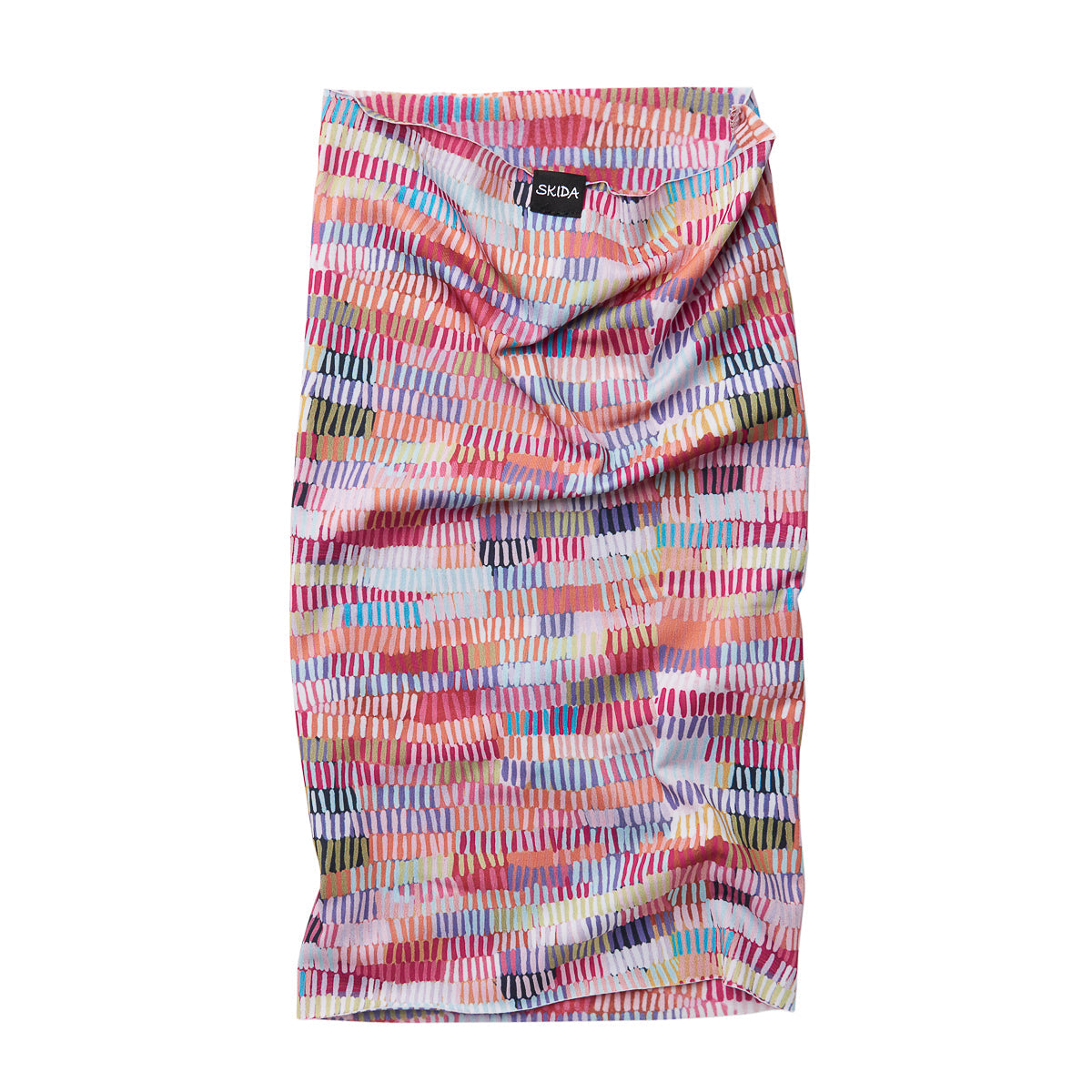
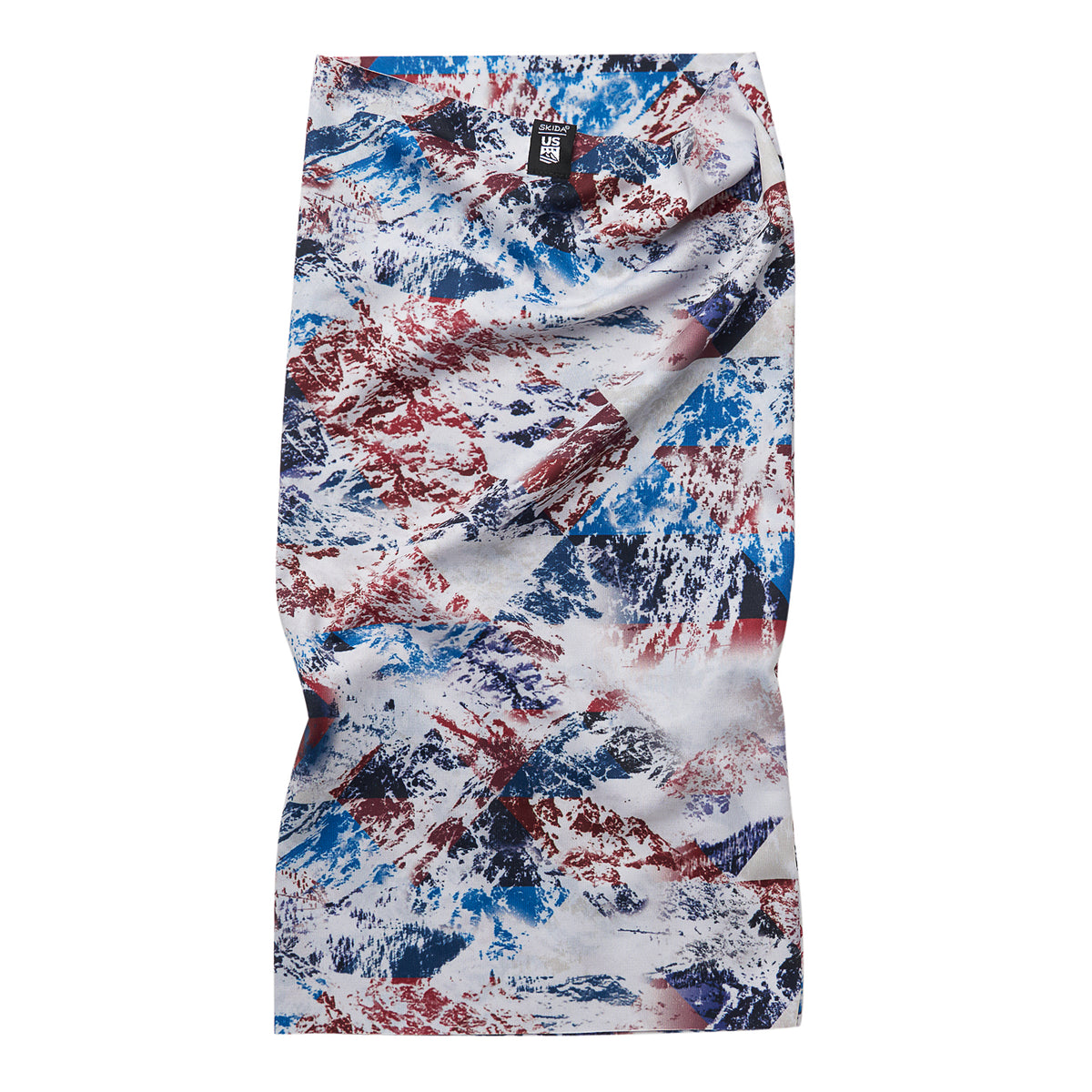
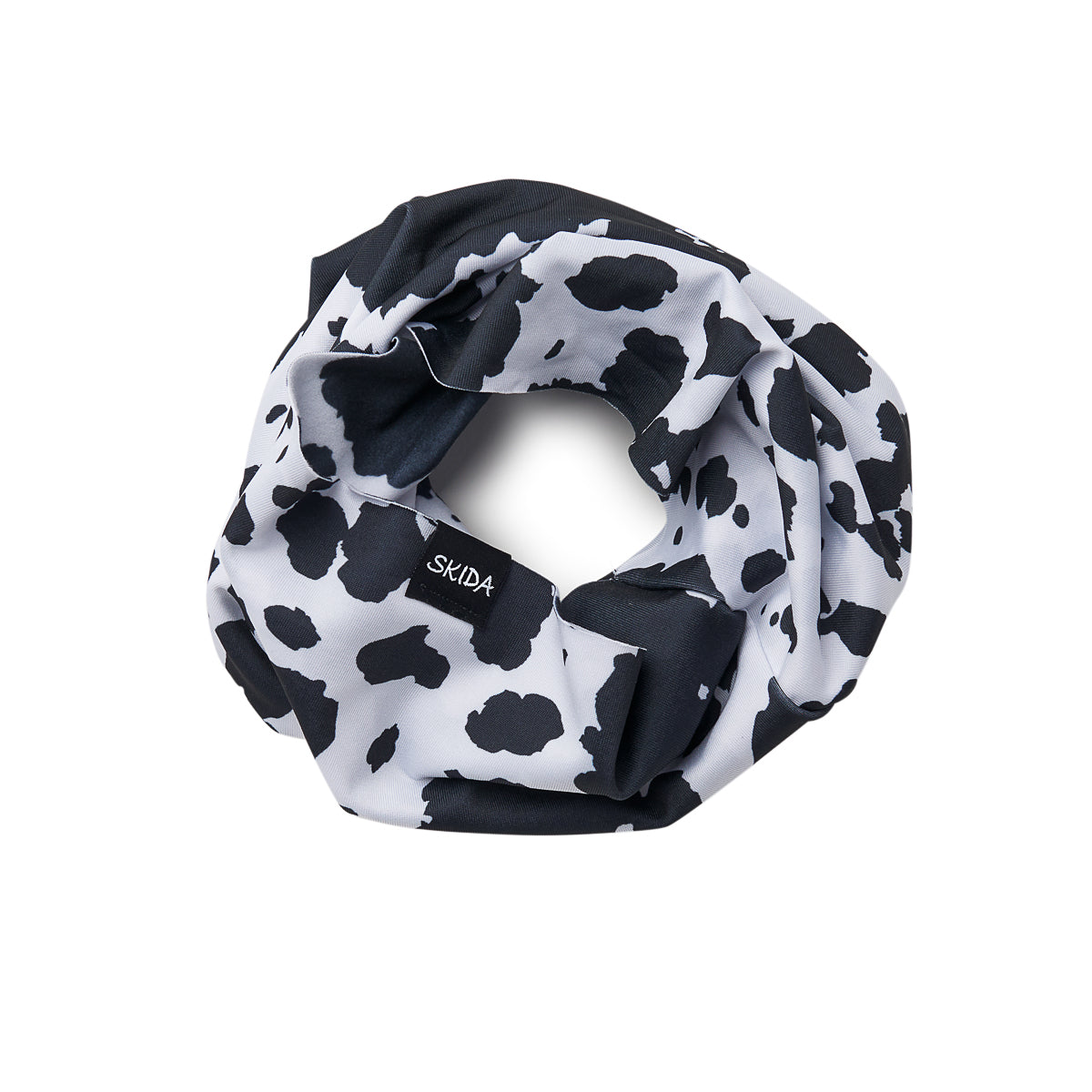
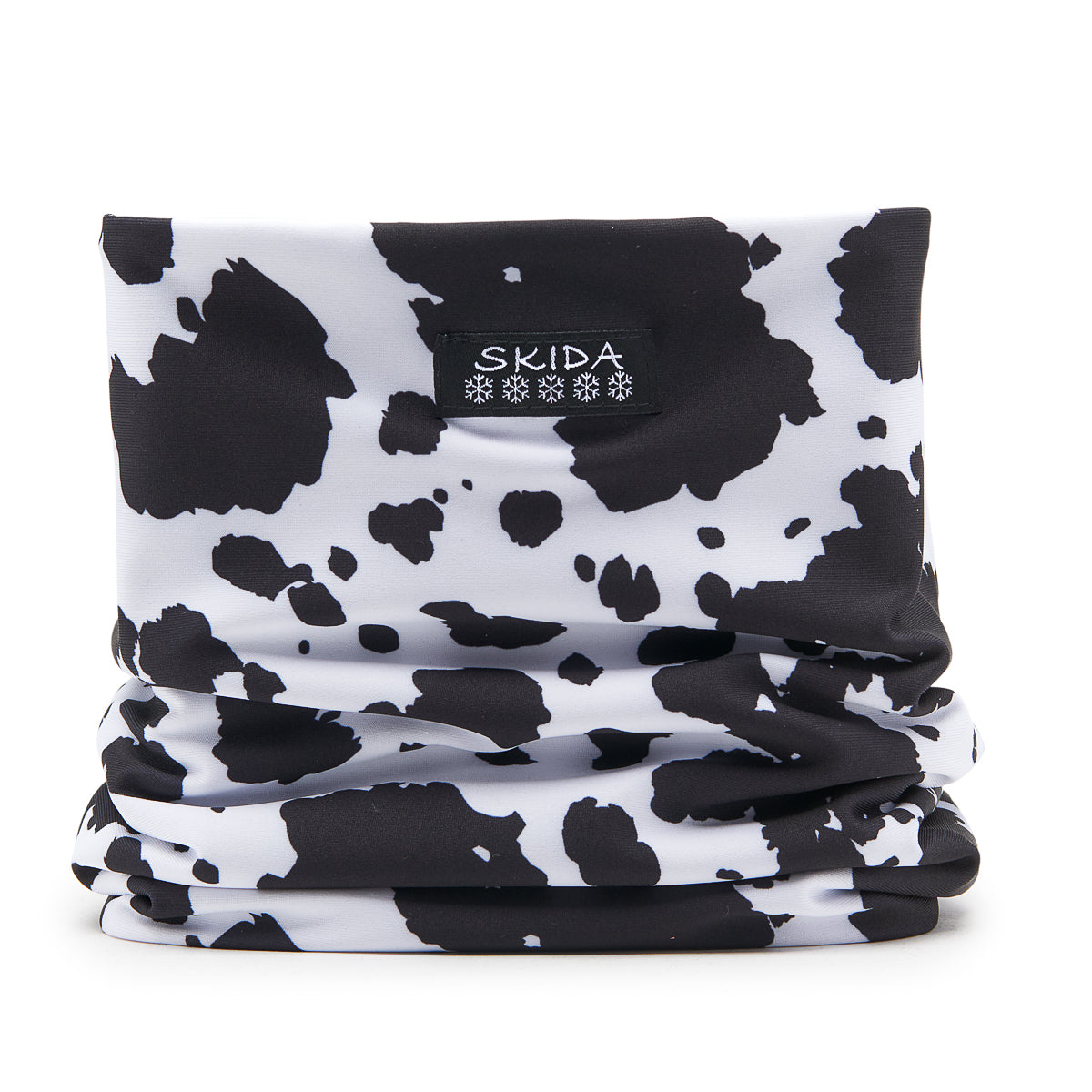
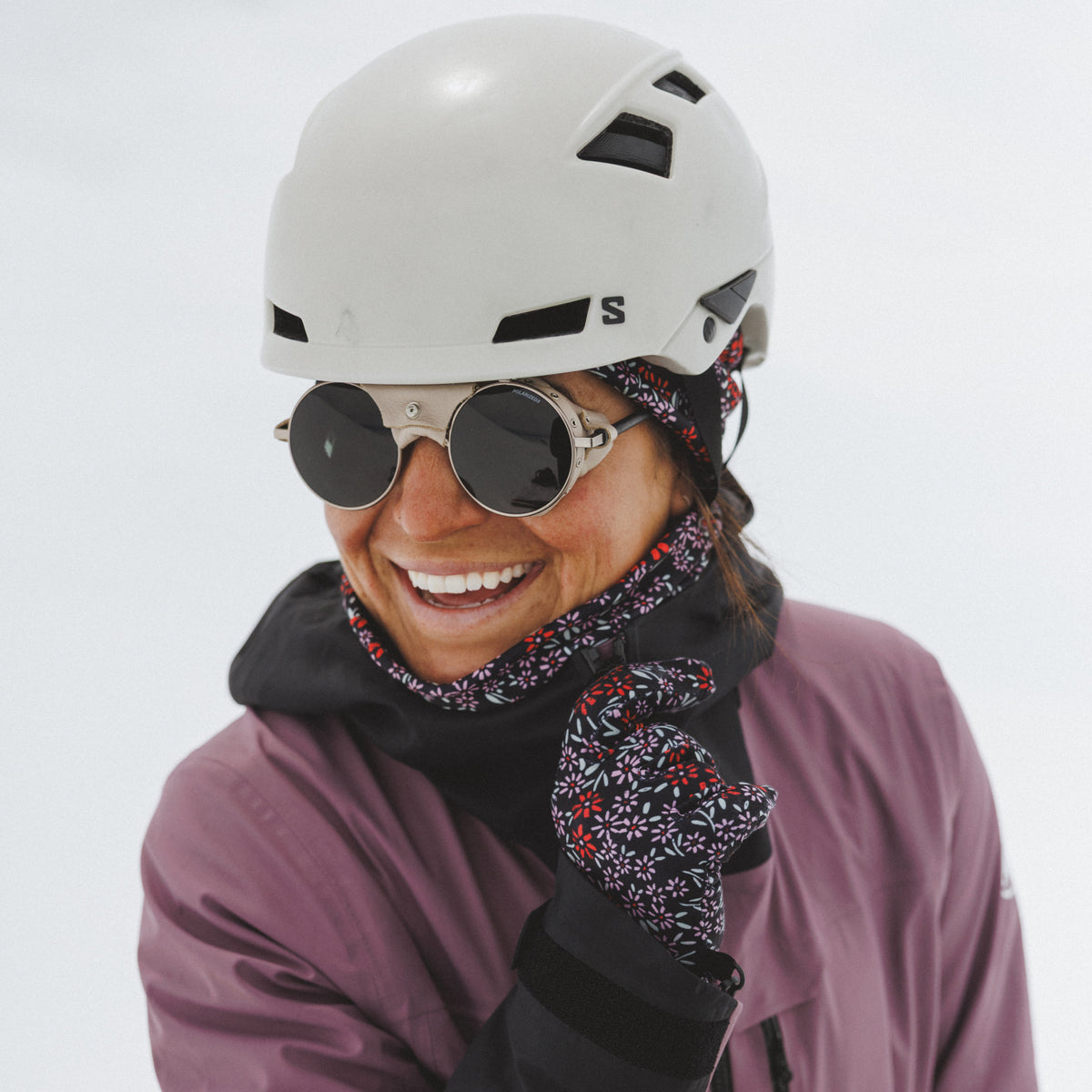
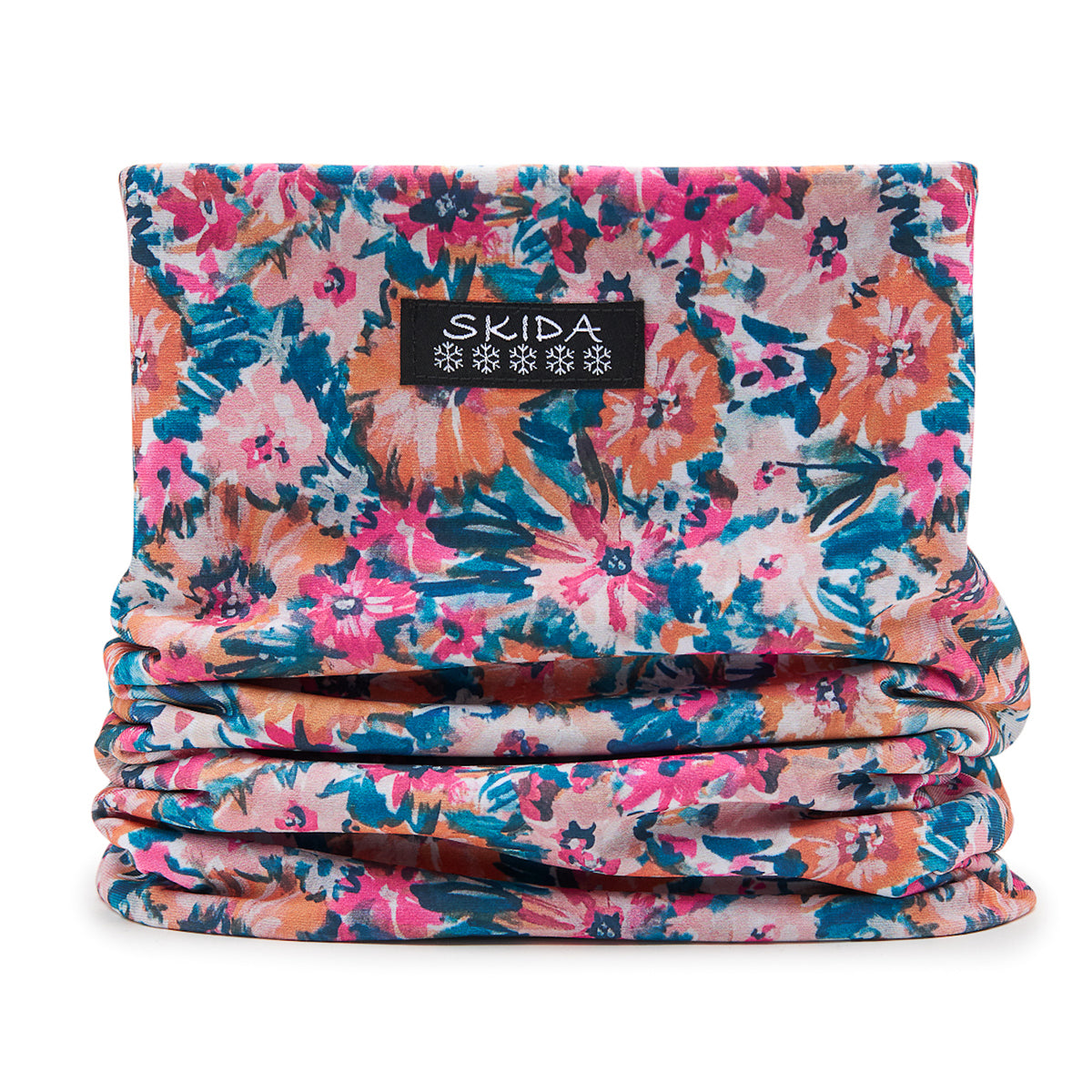
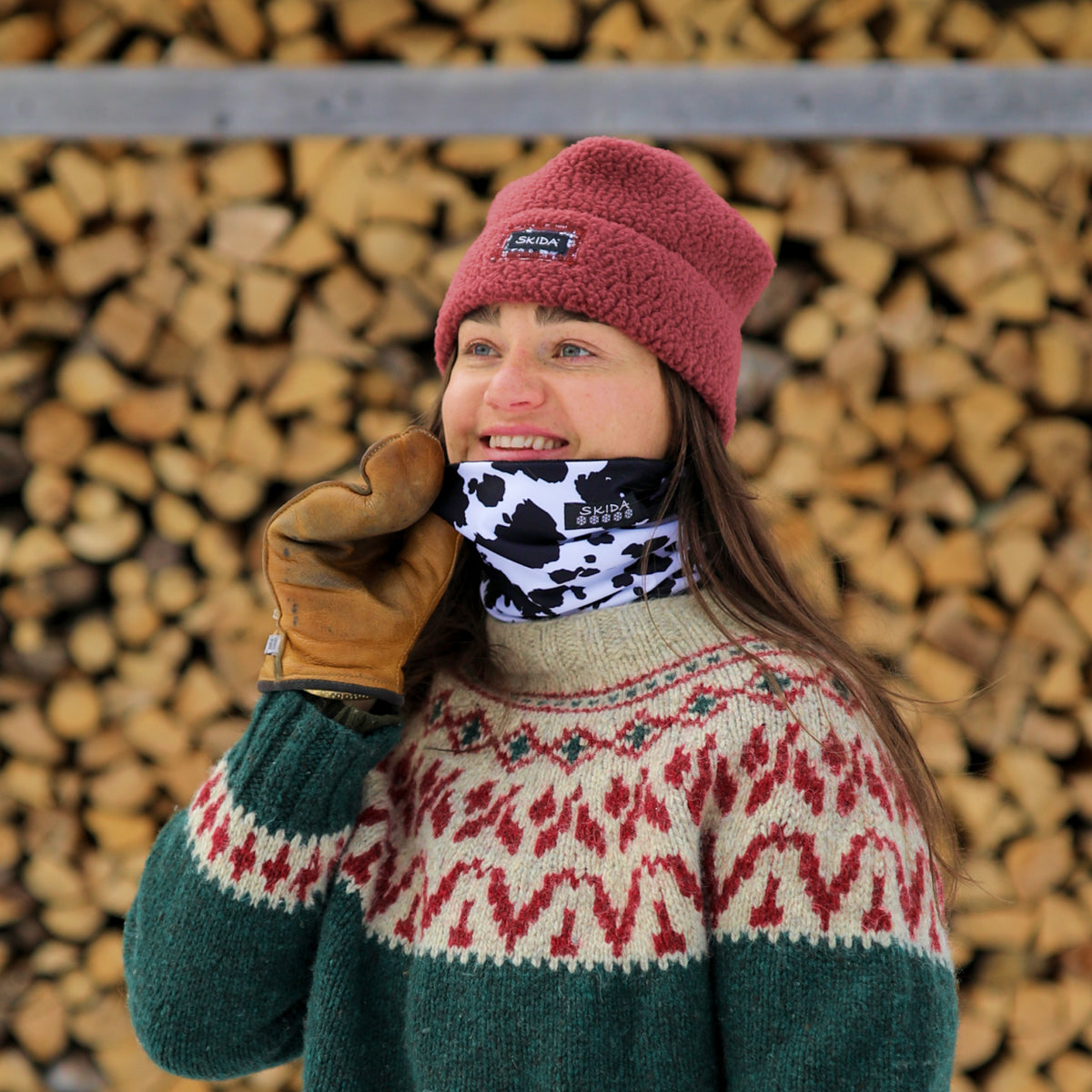
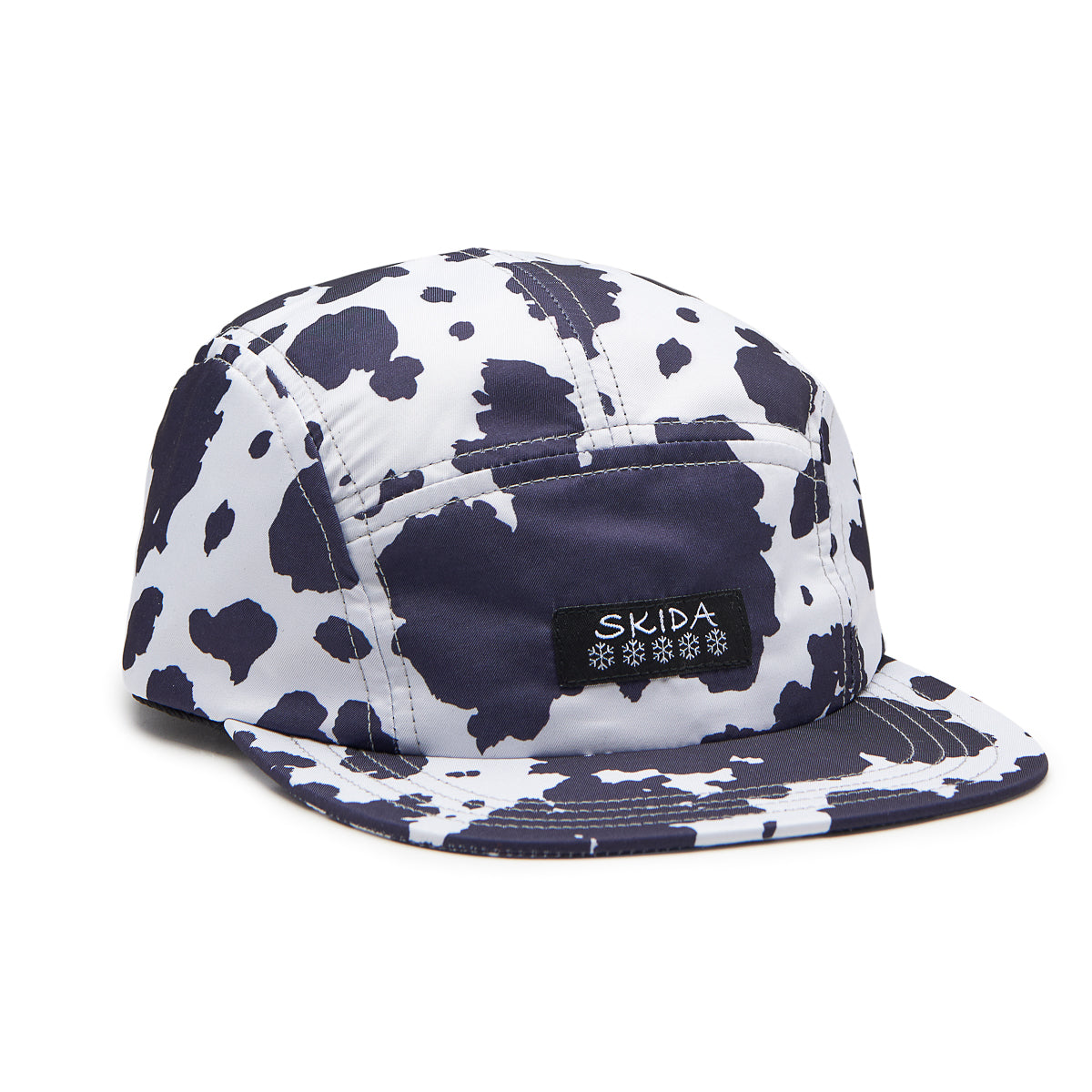
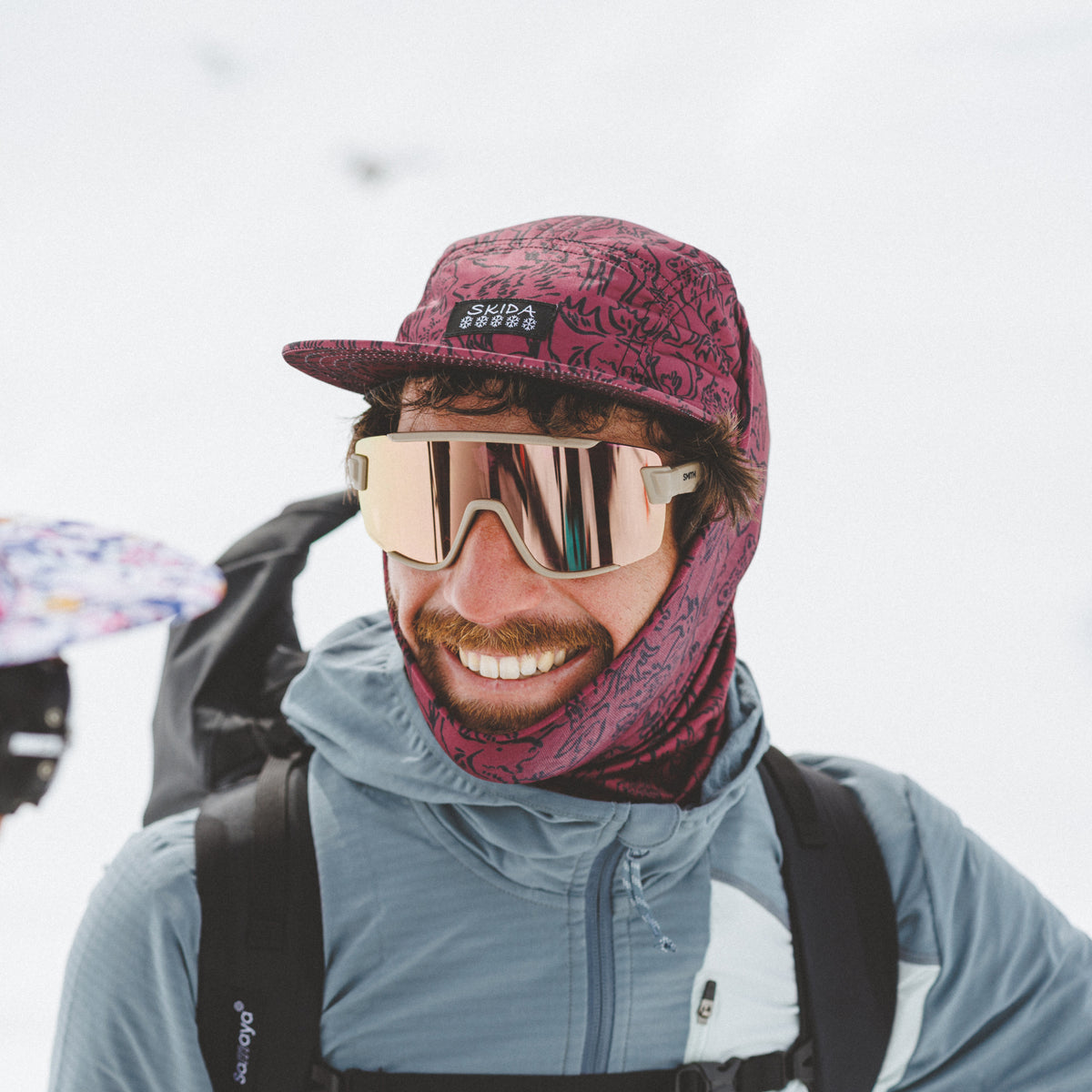
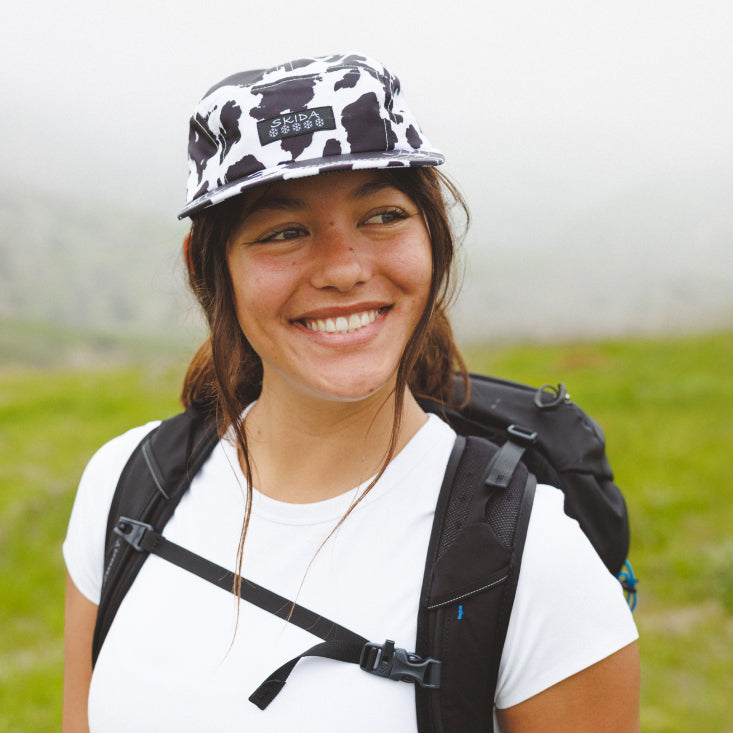
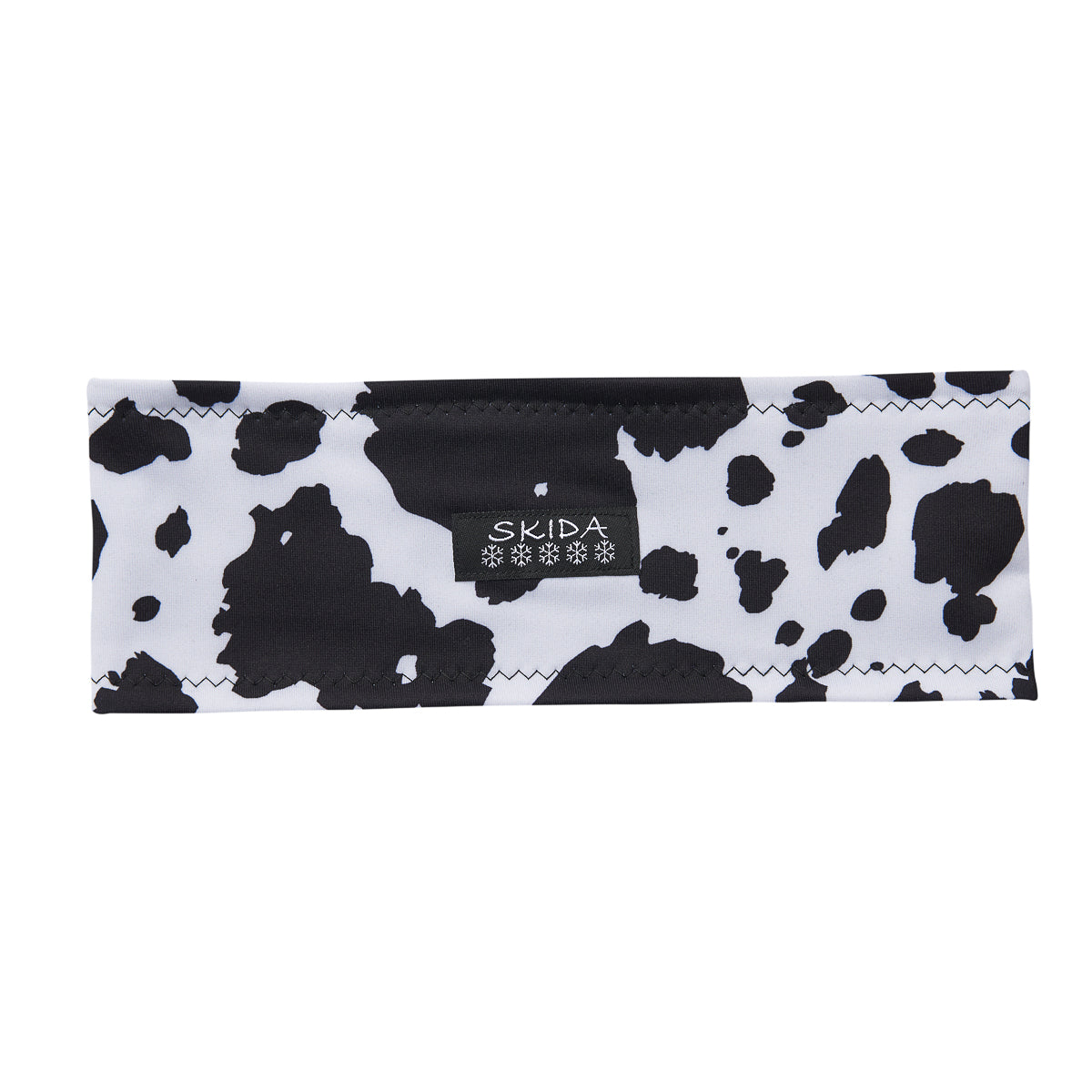
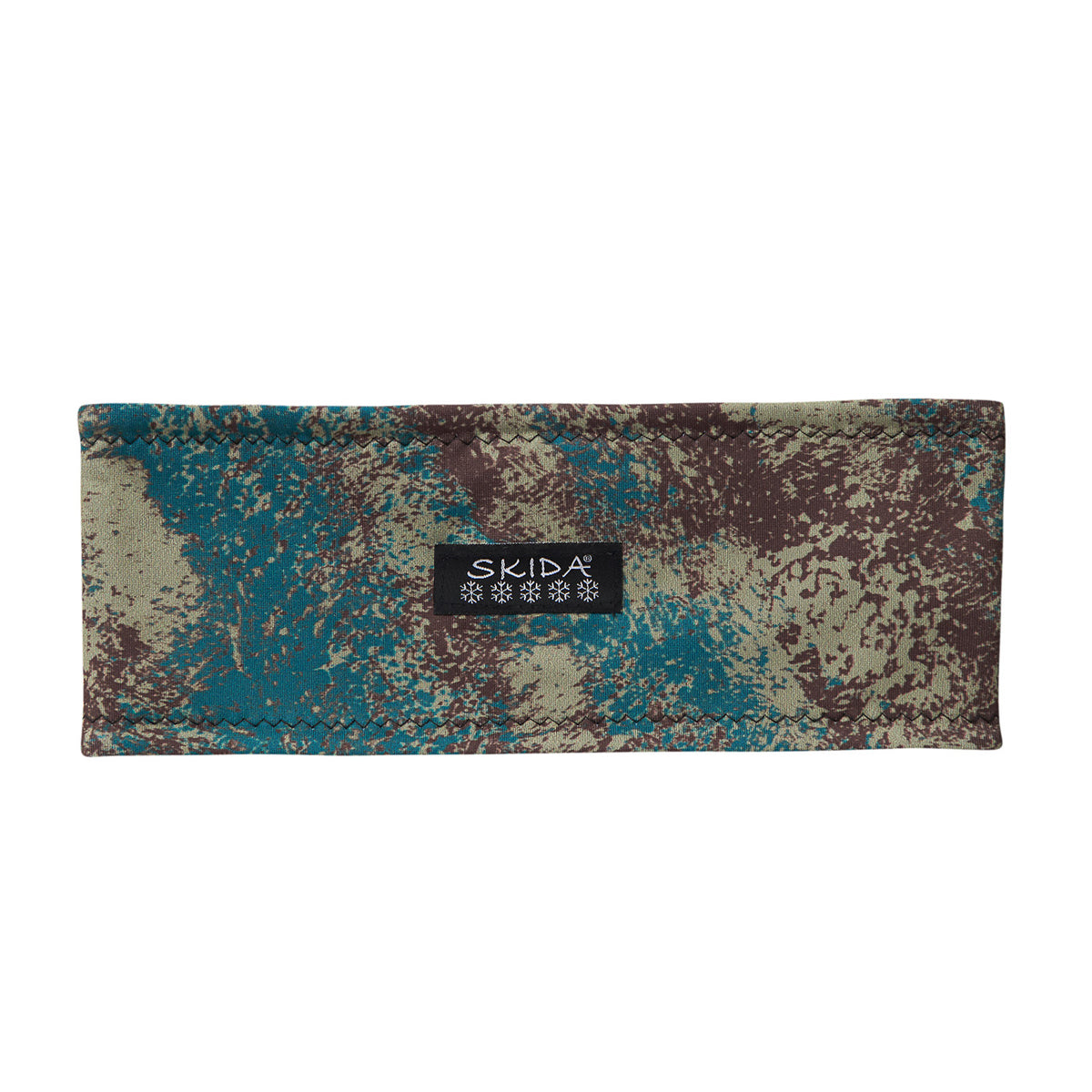
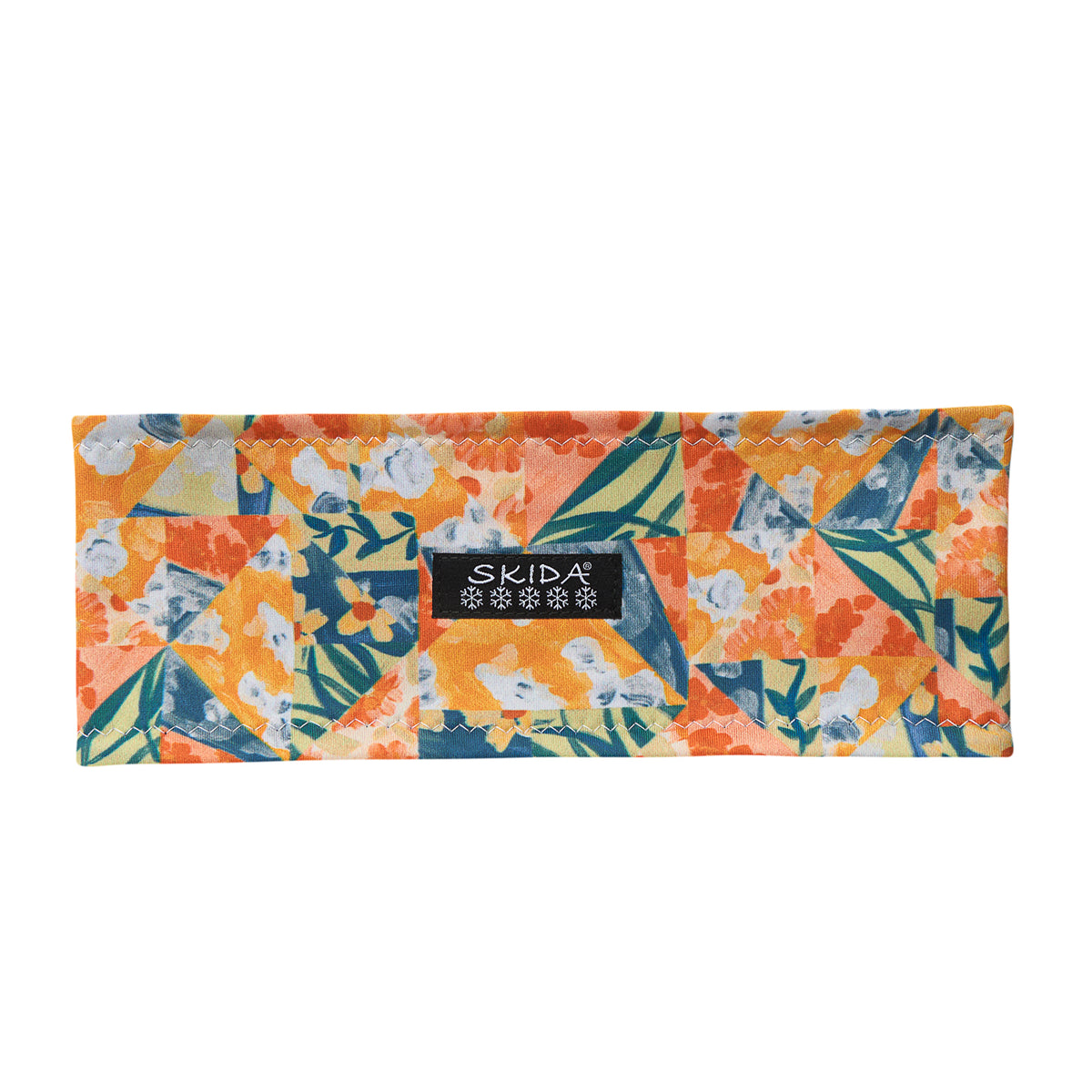
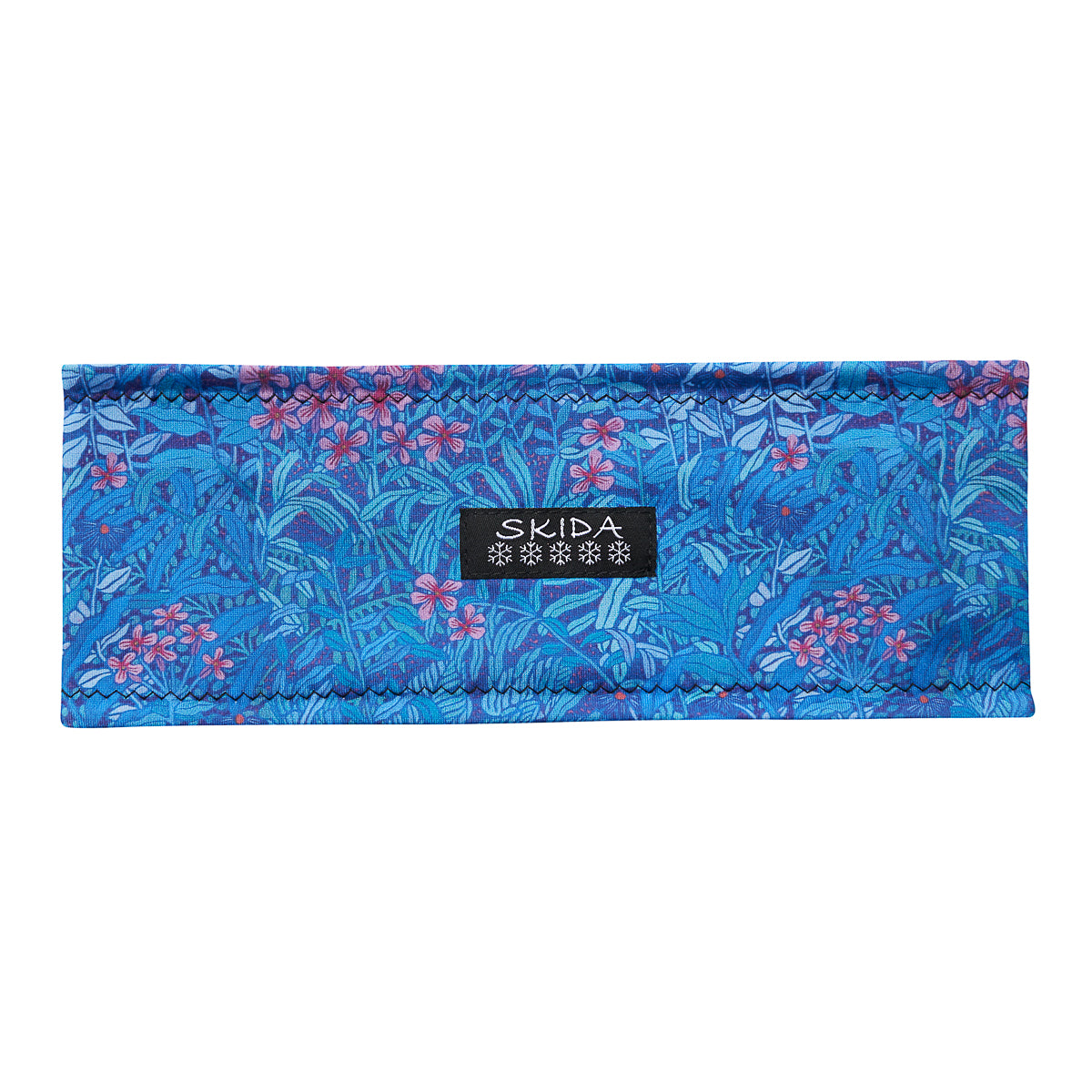
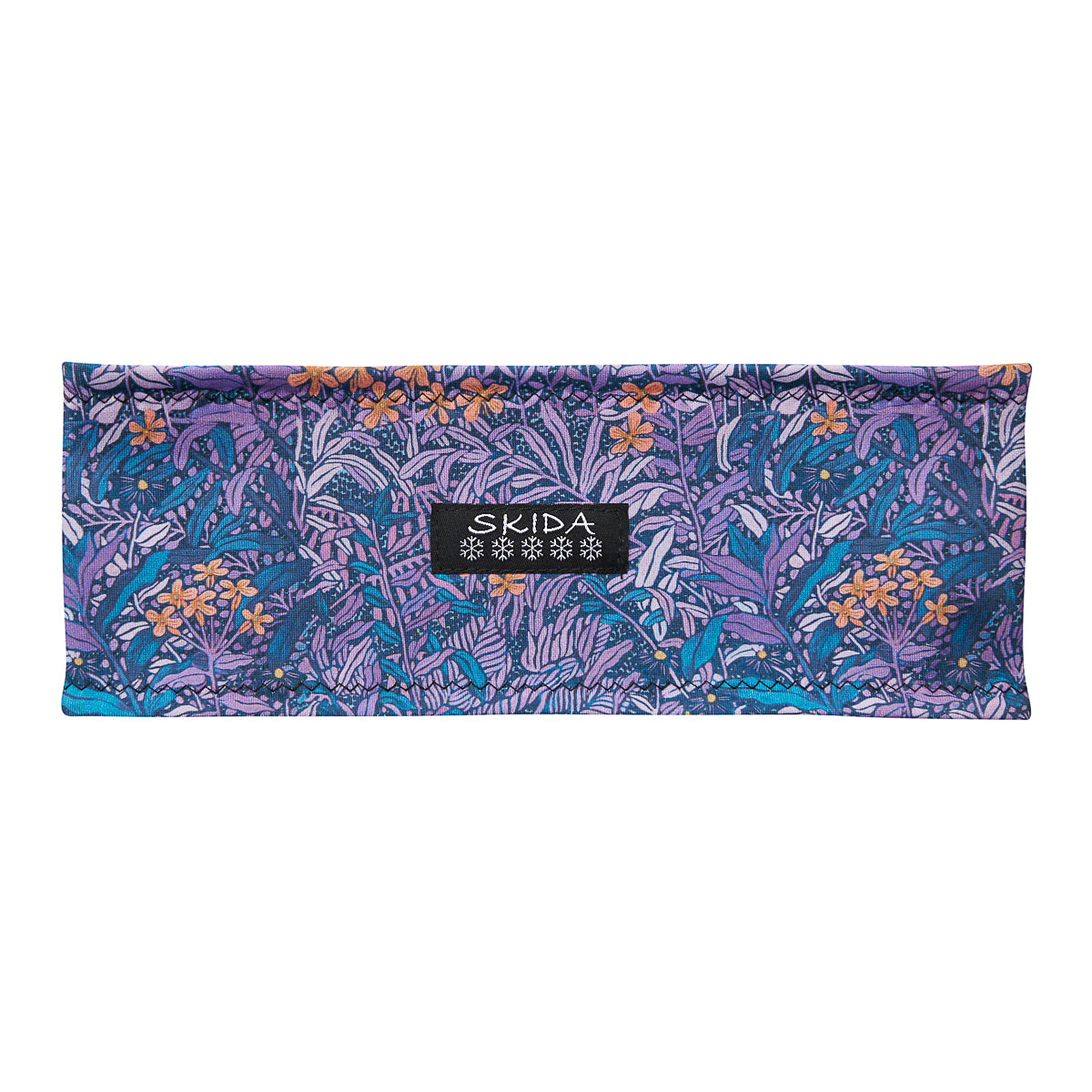
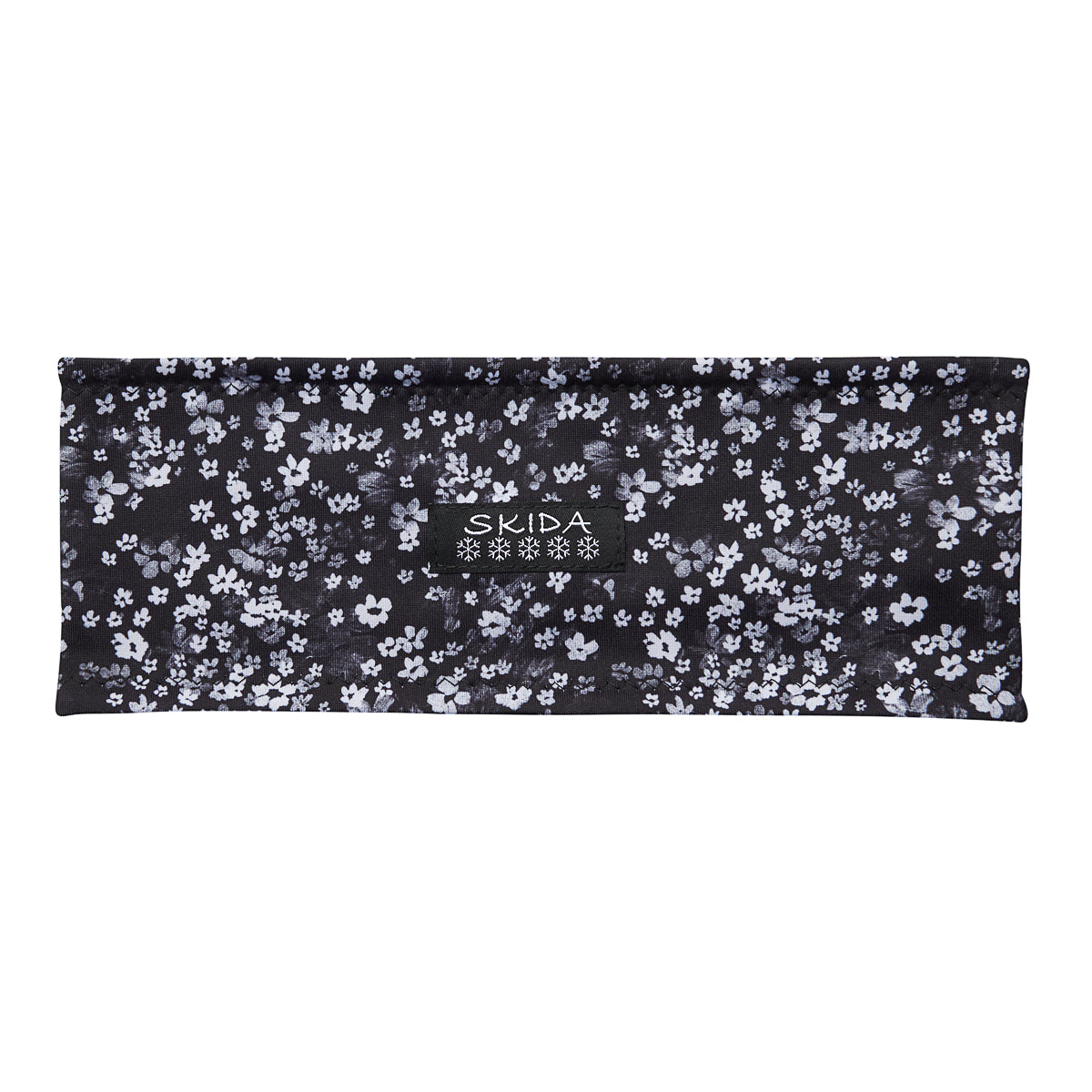
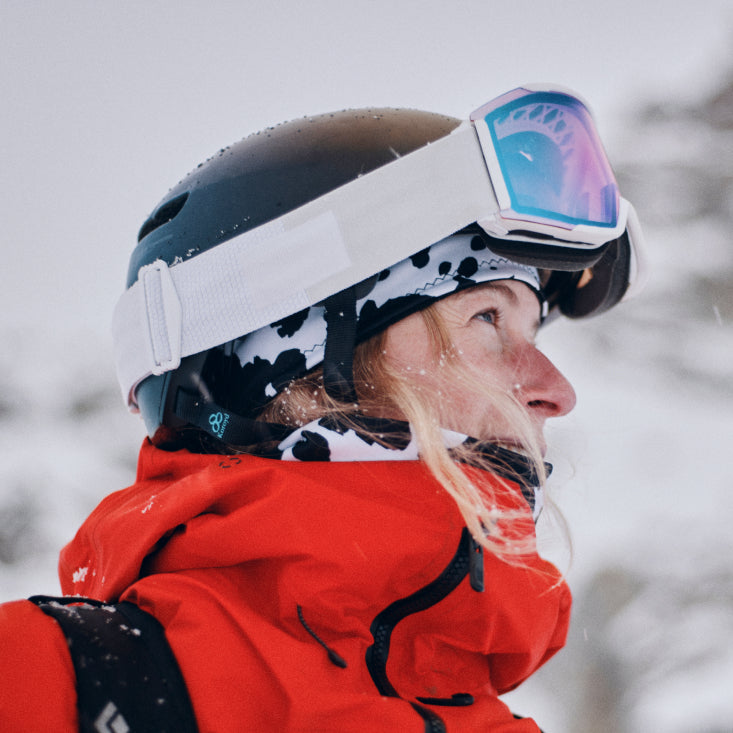
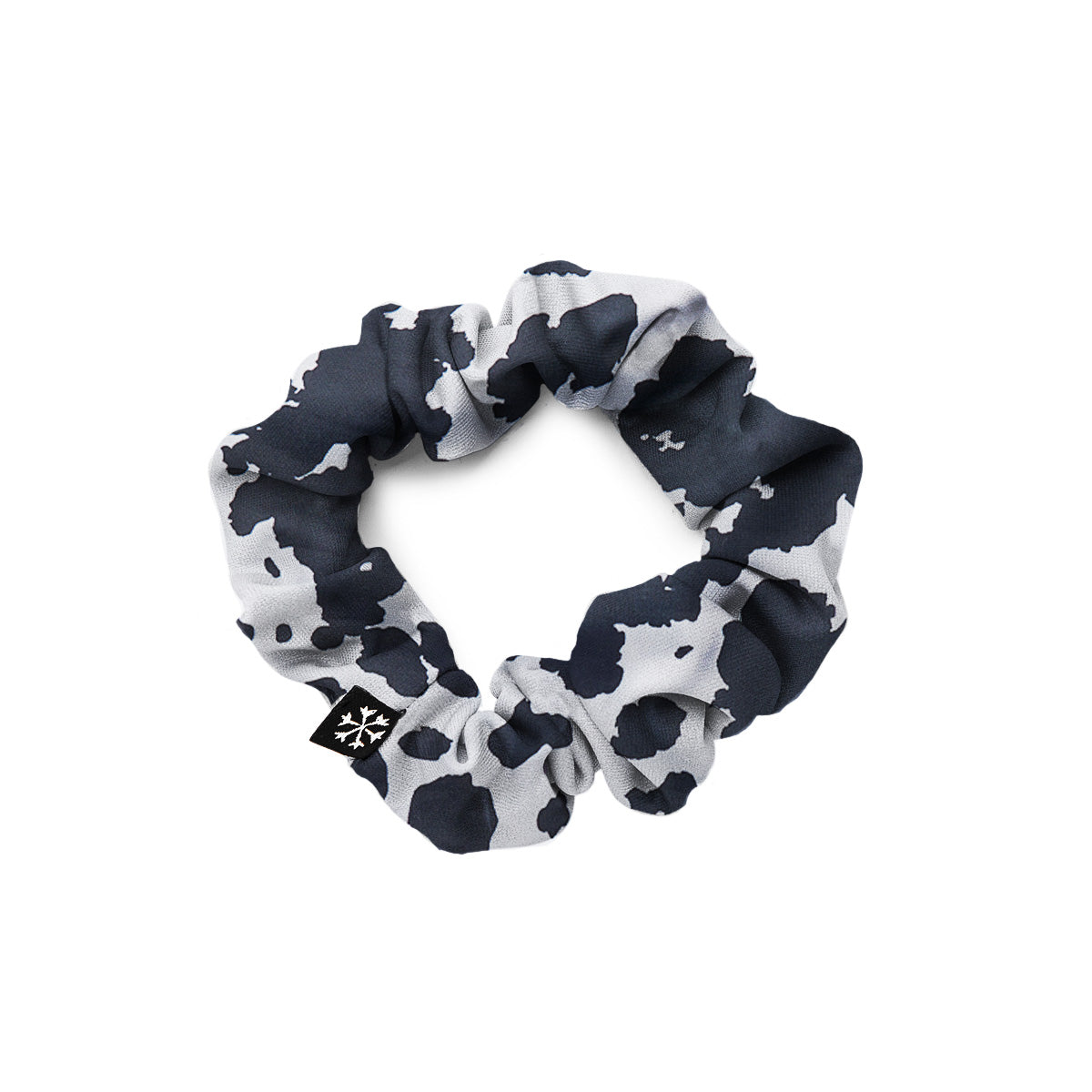
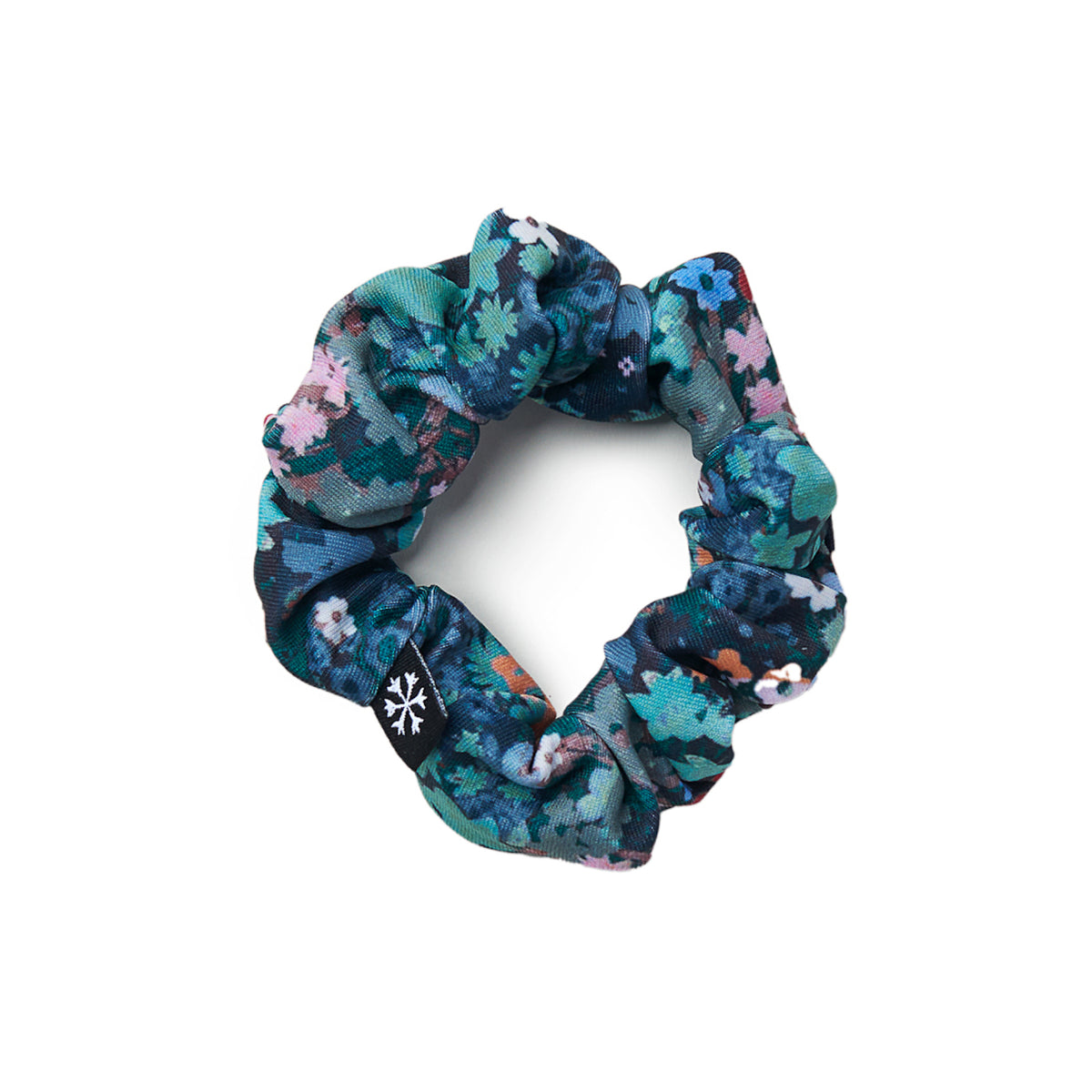
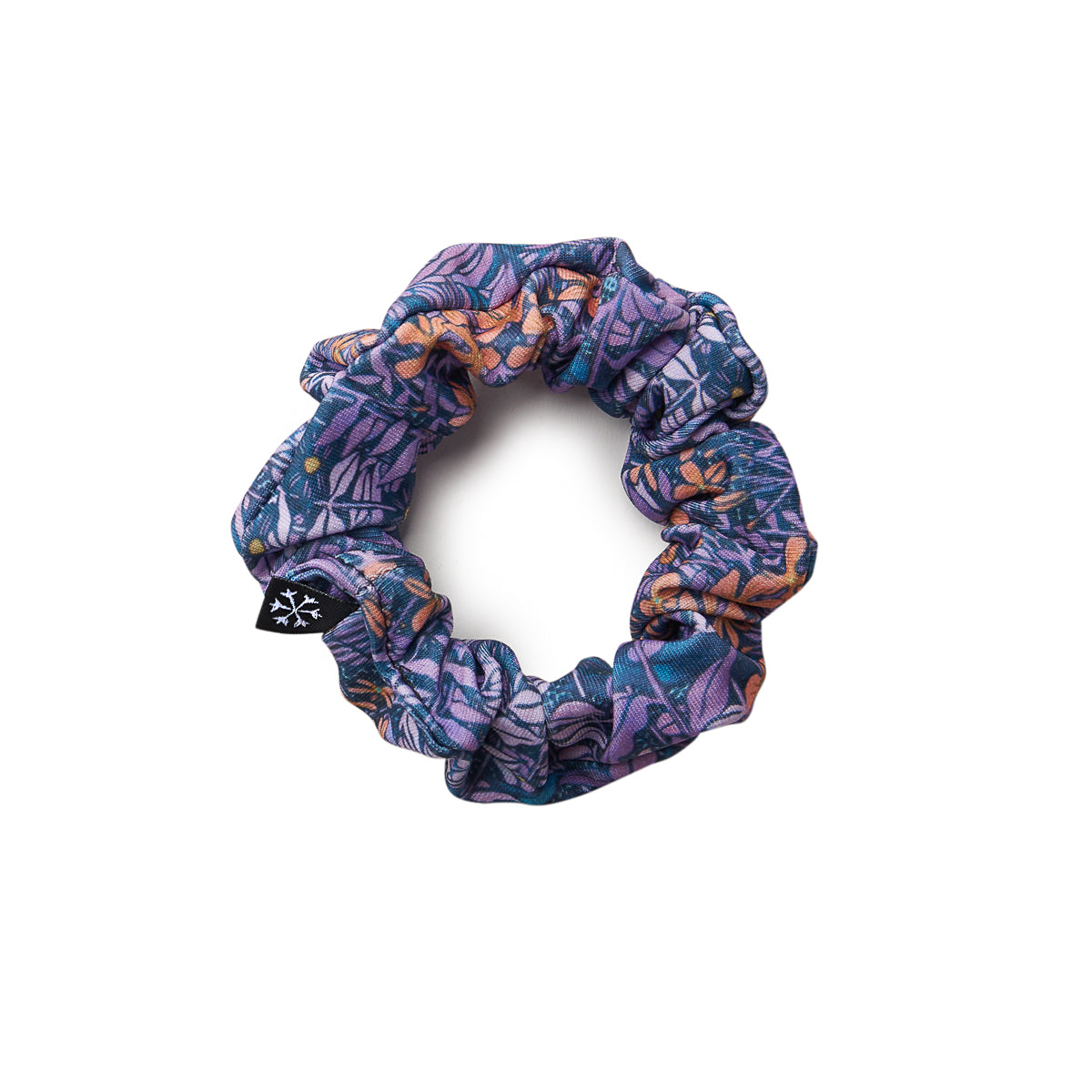
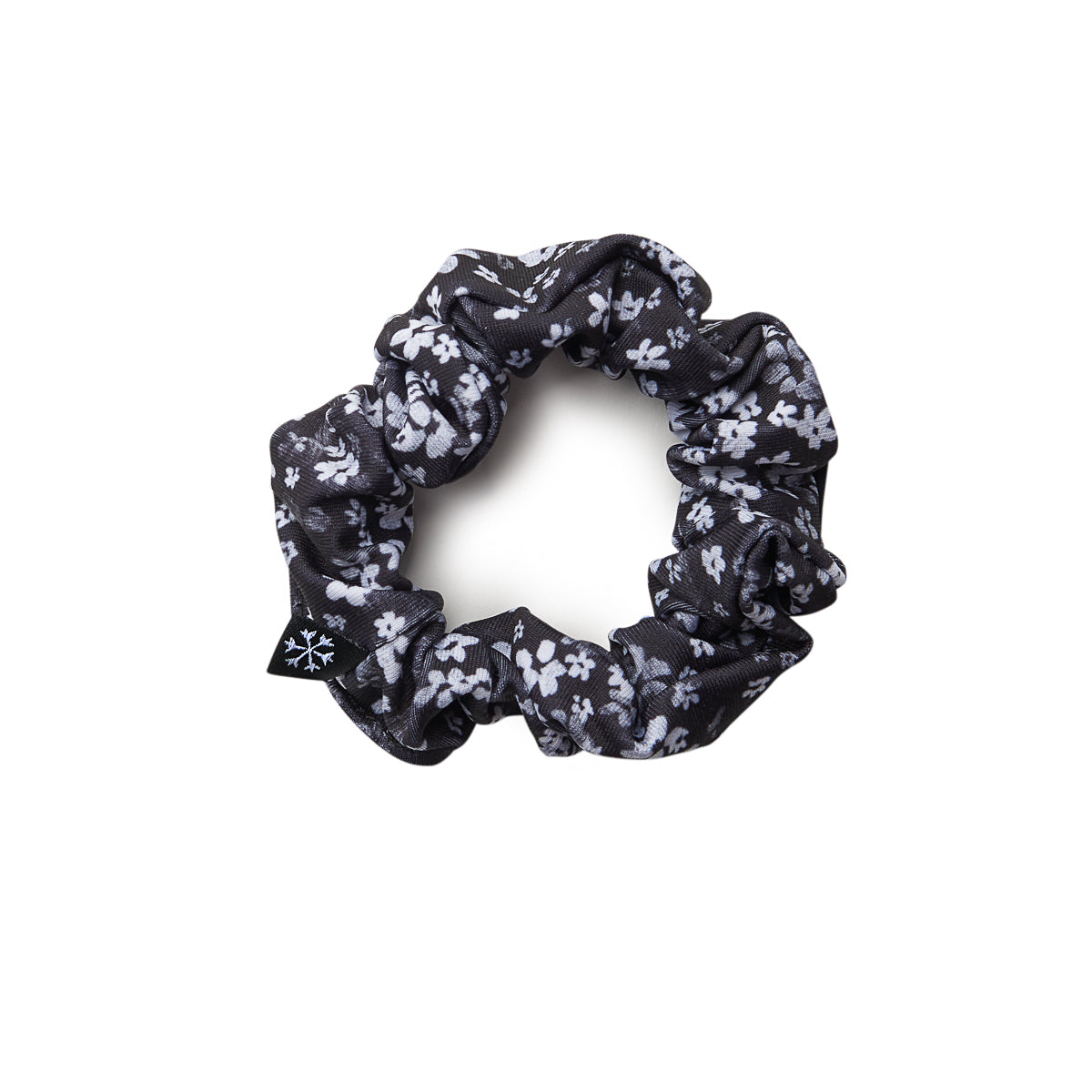
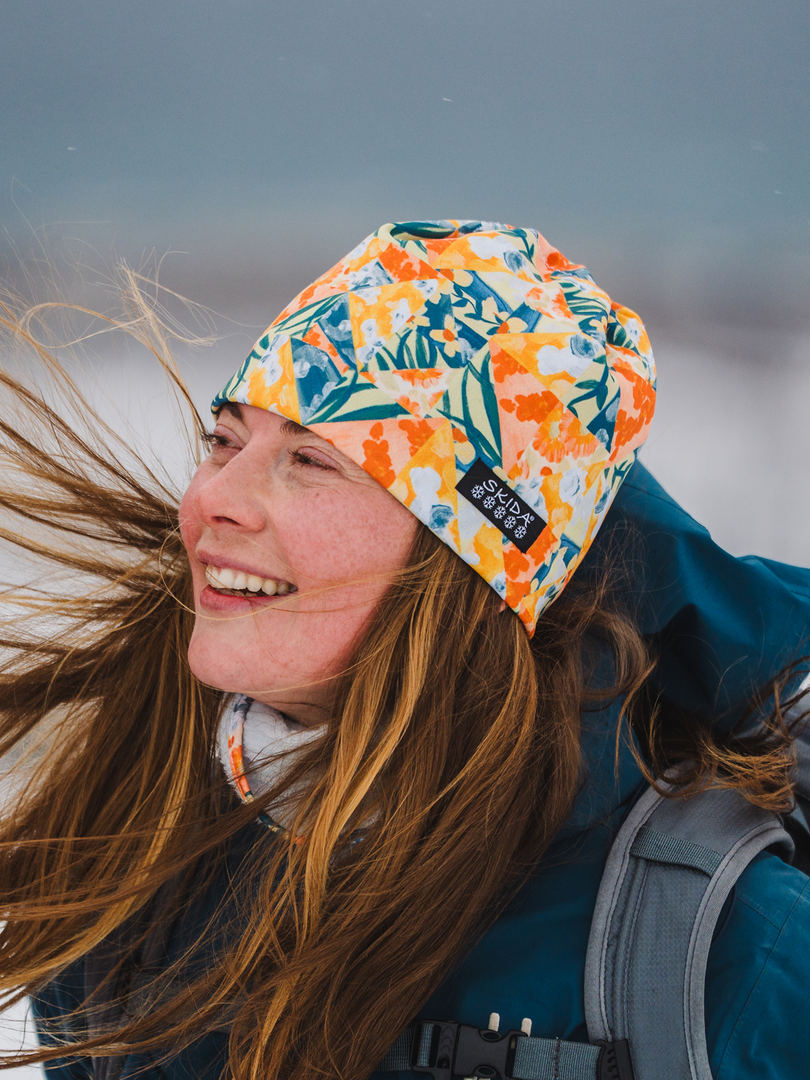
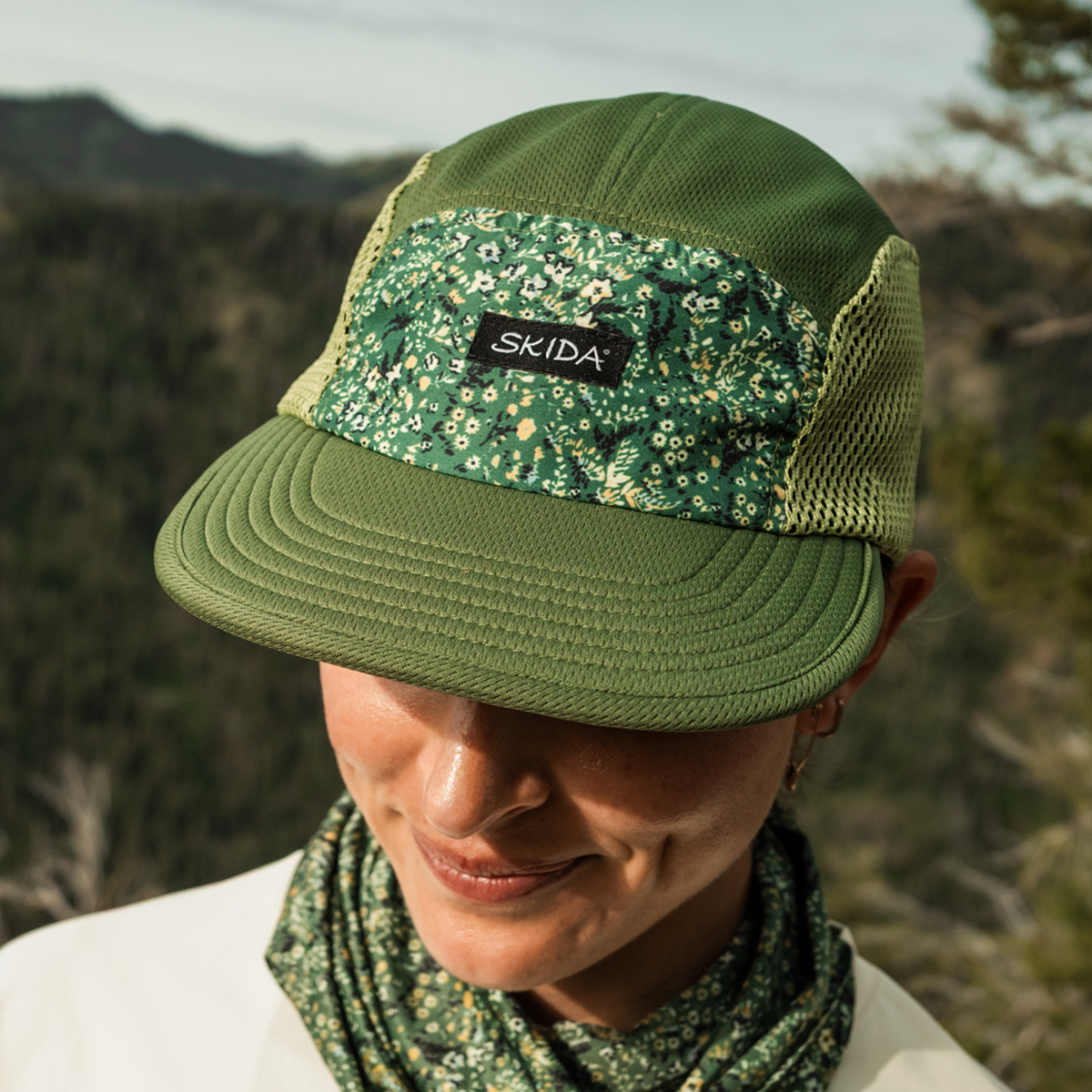
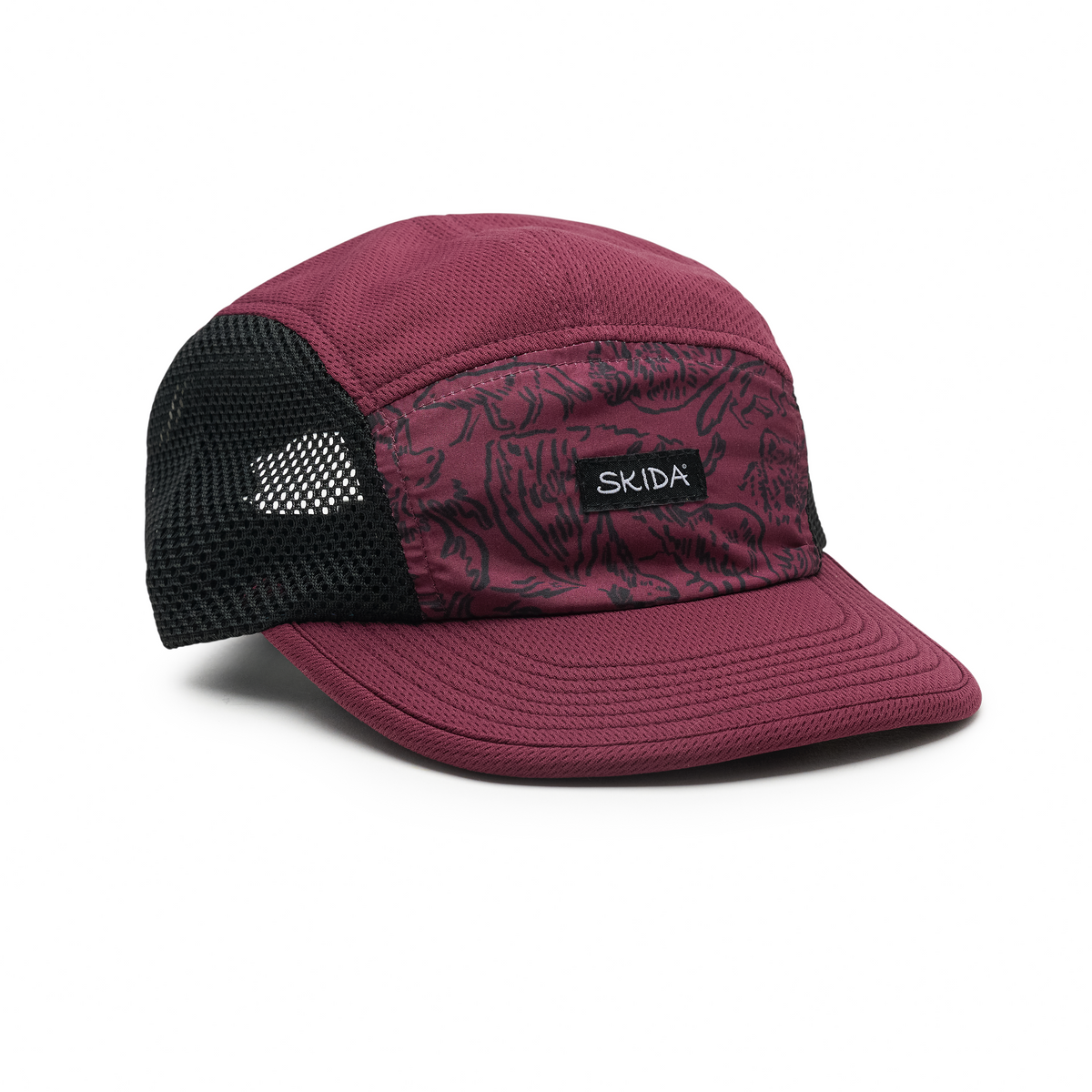
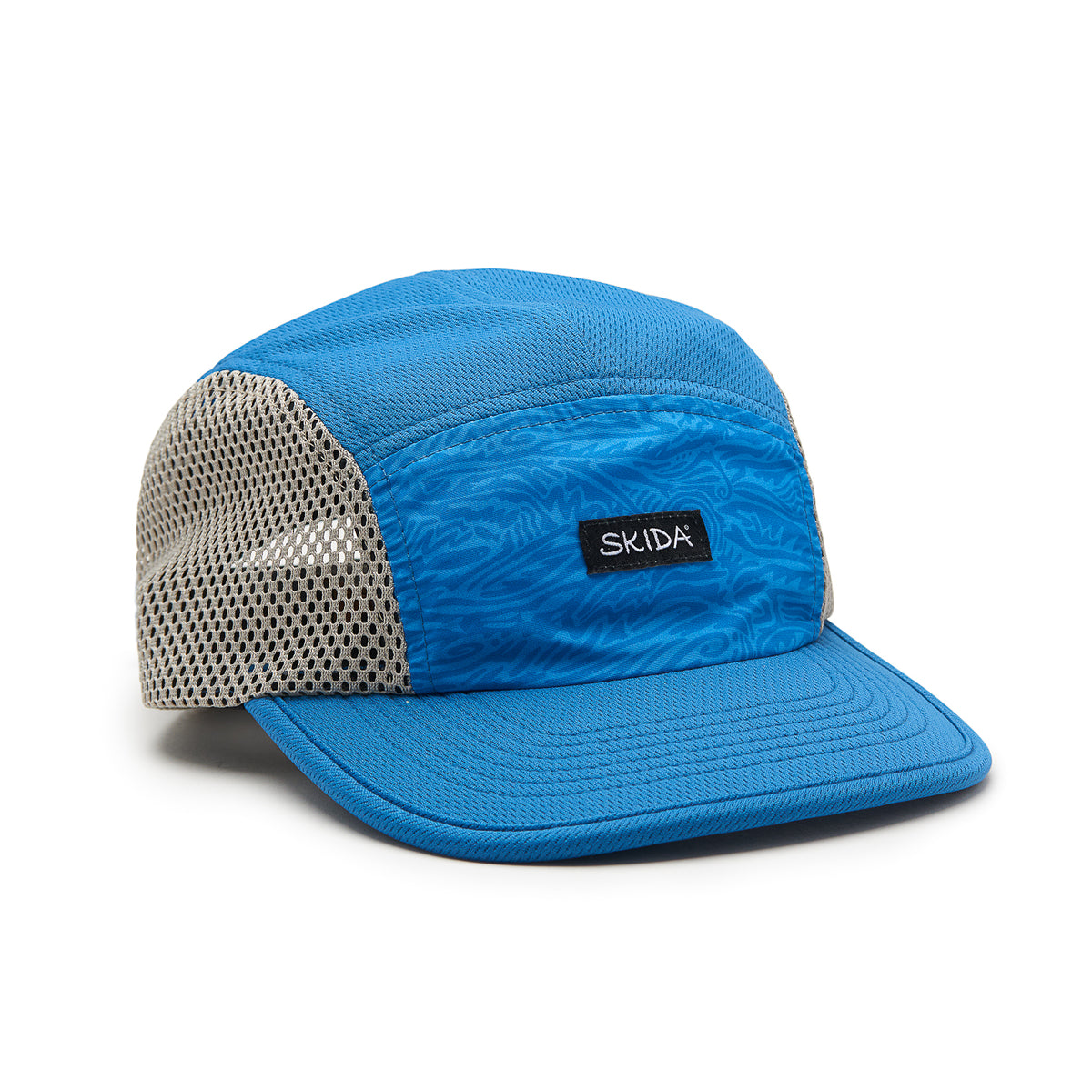
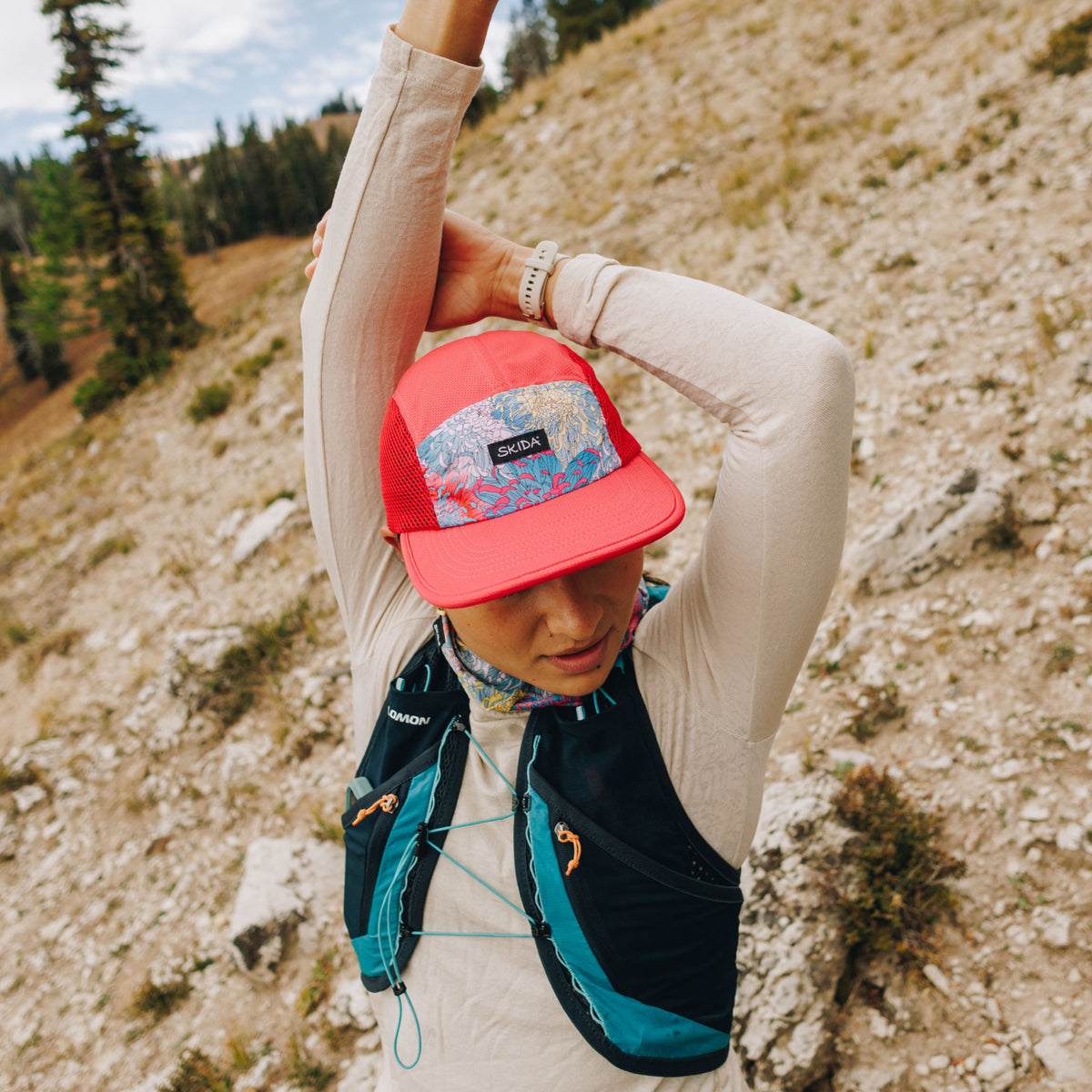
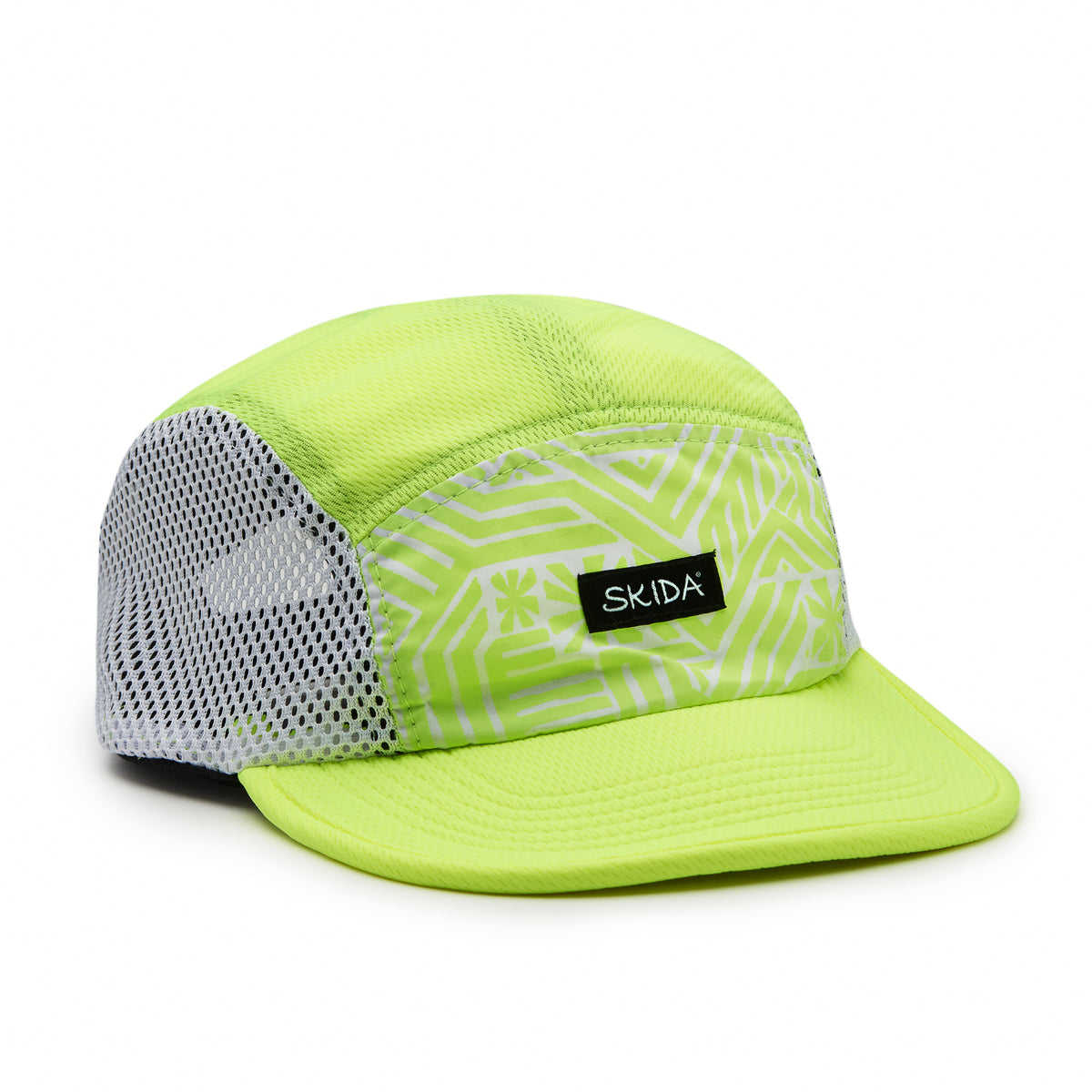
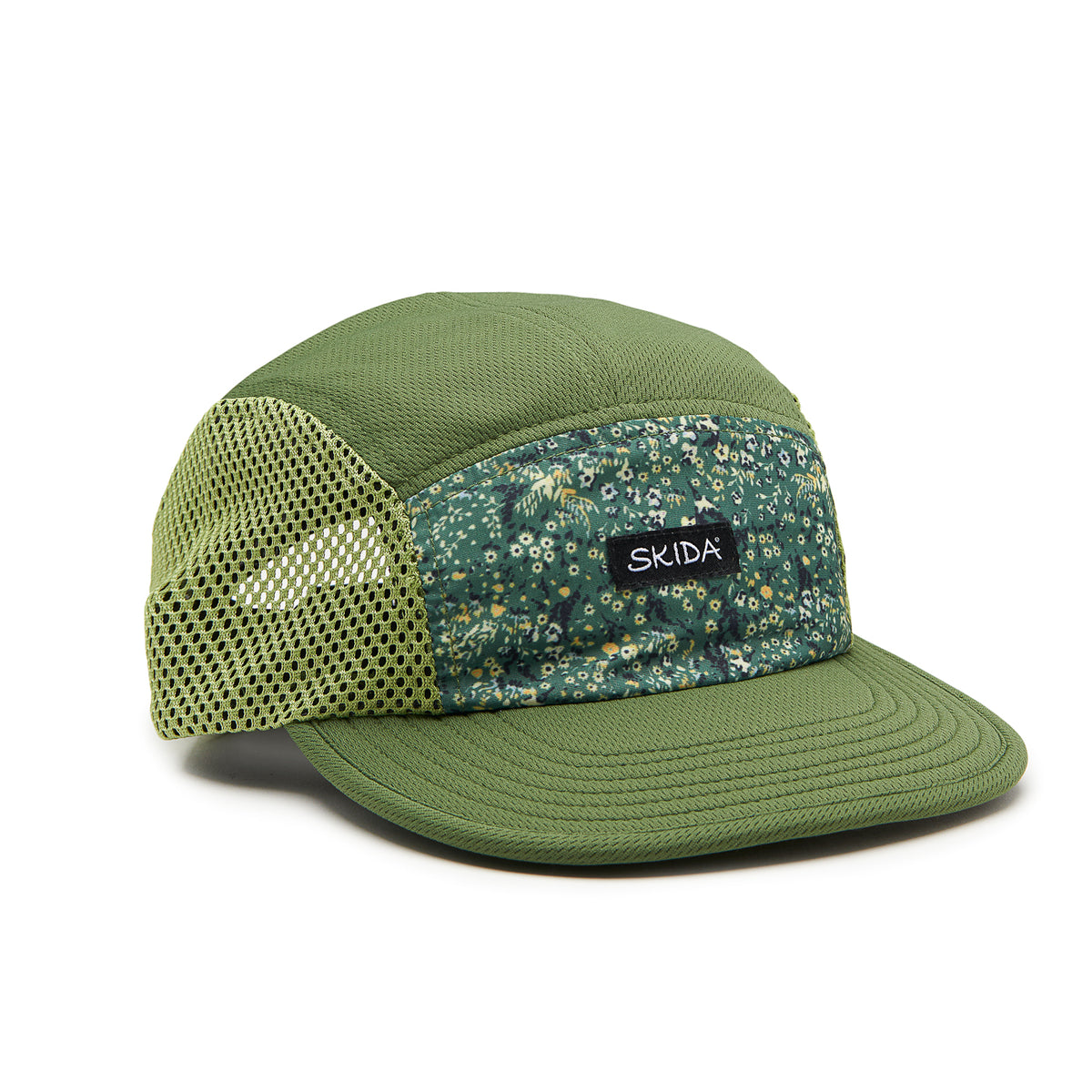
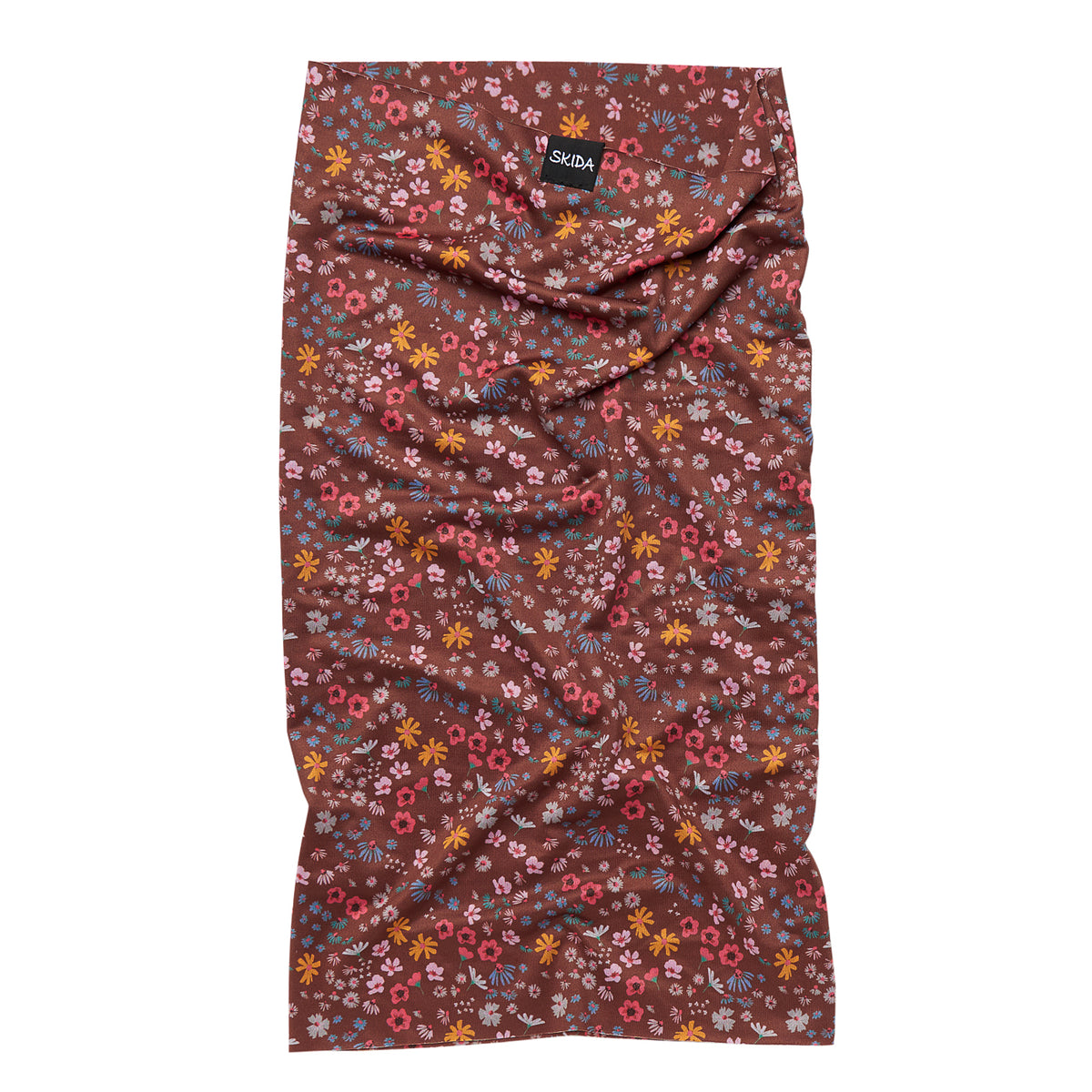
Gus is known for sporting his signature print, Moo Cow, on the world stage. It’s hard to say who’s the bigger fan — Gus of Moo Cow, or us of Gus. A portion proceeds go towards supporting Gus, click the link below to shop!
get to know gus!
⚡️ Rapid Fire
- If you could compete at the winter Olympics in a different discipline, what would it be? hockey
- Shout out to ____? My family
- Favorite training snack: dates
- Your biggest cheerleader: Probably my mom, lots of cheerleaders though!
- Favorite Skida print: Moo Cow duh
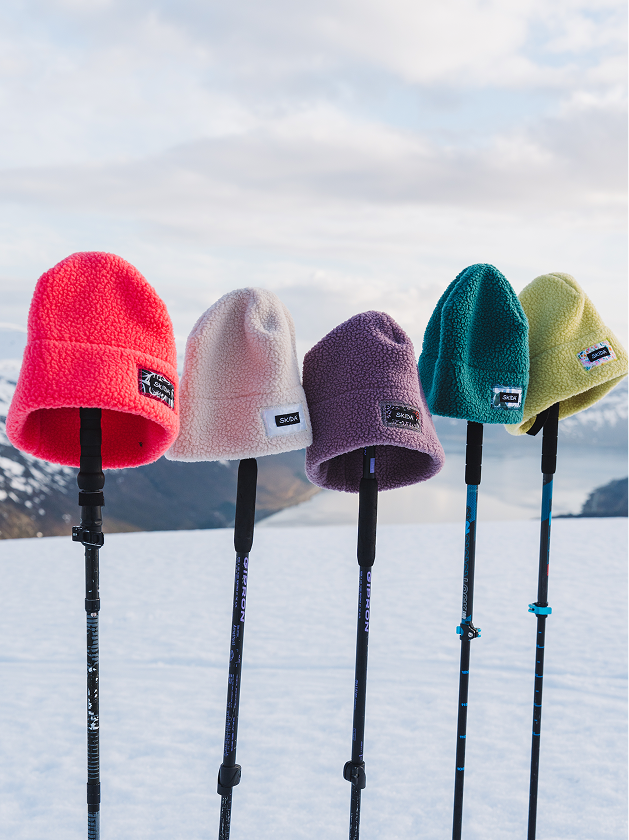
- Favorite Skida product: High Pile Fleece Hat
- Favorite place to ski? On crust in the mountains!
- Go-to rest day activity: Slow morning with coffee and checking off little chores that I've been lazy about
- A woman who inspires you: My mom, she’s always getting outside
- Your special trick for staying warm: Keep moving! And take off clothes when you start to get warm. sweat = cold
- The final song on your pump up playlist: Right now its messy by laszewo
Helmets Off
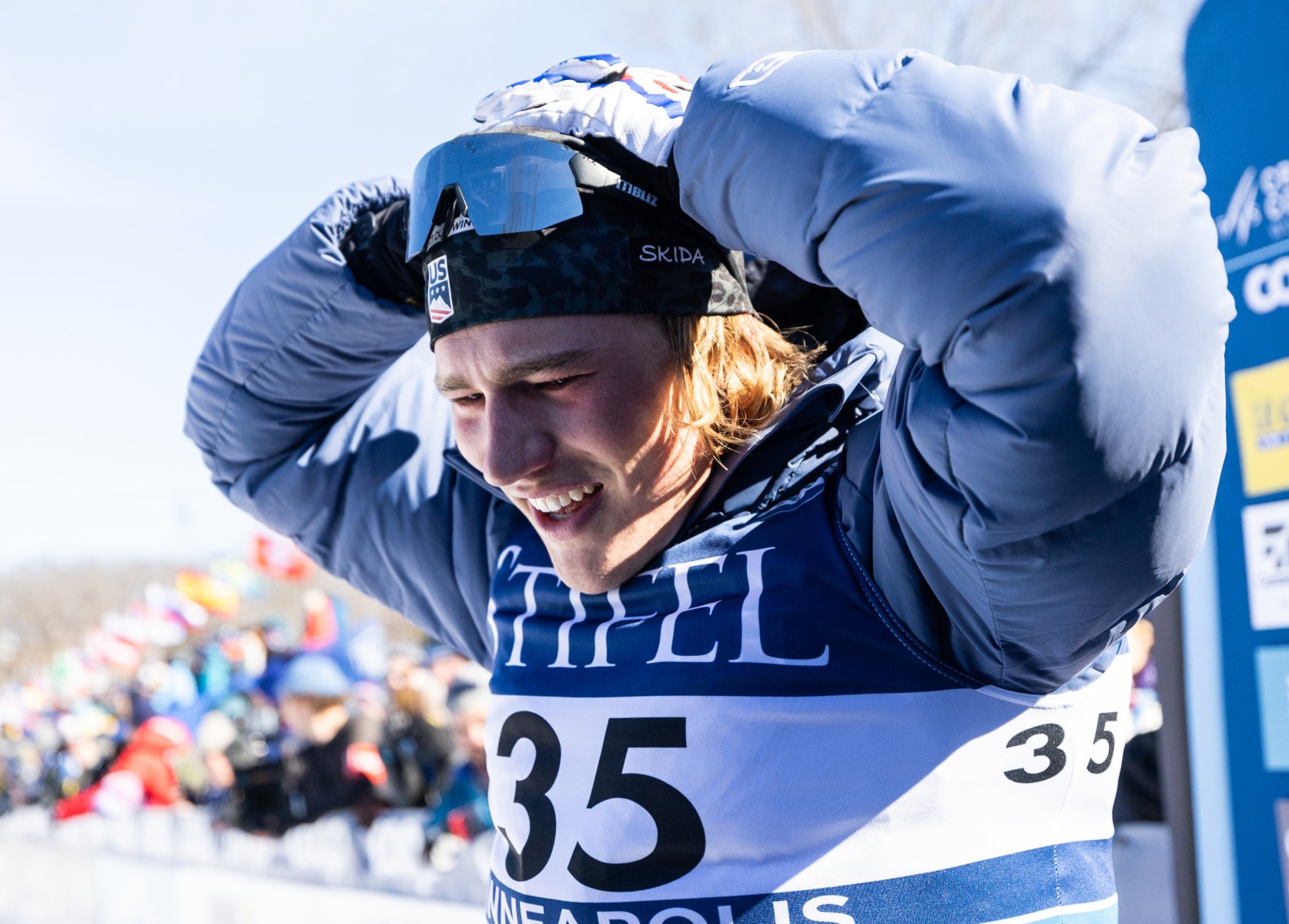
What do you do to bring yourself joy during a big training block or during stressful parts of the season?
I really enjoy getting off the beaten path and doing some exploring. It’s nice during big training blocks because it also gives me some good training hours running or whatever it is :) . In the winter it’s just cool to tromp through some snow and get away from the world cup craziness.
Are there any mental strategies you rely on when things get tough? If so, what are they?
My best mental strategy when things are tough is just remembering previous tough times and that I got out of those just fine. A lot of times the only way out is through and it's easier to believe that when you have an example from your past self to lean on. In moments where I start to feel the pressure and think too much about performing, I tend to fall back to my breath in order to best find calm and inner peace.
How do you prepare to perform on race day? Do you have any rituals, lucky objects, or superstitions?
I’m not super stitious, but I guess I tend to do pretty similar things for every race. I’ll pretty much always do some faster speed training the day before to get my body going and familiar with the course, even if I’ve done it a bunch. I like to visualize before races, I find this tends to happen when my head hits the pillow whether I like it or not. I like to make sure I have enough food in the morning before racing, and that I’m snacking pretty well. The more I can just trust the work I’ve done to get there, the better. It allows me a lot more freedom to just be instinctual on race days.
I try to stick to the basics the same as any other day with an early wake up and warm up, eating a full breakfast with coffee, and finding a good feeling on skis that I want to emulate in the race course. Overall I find that if I can go with the flow over the course of the day I tend to perform in the space that I want to.
If you had to sum up your approach to this Olympic year in three words, what would they be?
Relax At Speed
A Few More Q's
Tell us a bit about yourself: where do you live, where are you from, and what do you do?
I live in Anchorage Alaska, where I grew up. I was born in Madison Wisconsin and moved up 10 days later. I cross country ski race, go outside a lot, and do some engineering work in the summer. I'm part of the APU Ski team and US Ski team, going into my 8th year on the national team!
What is your first memory on skis?
I can picture myself skiing in my snowboot skis with bears on them in the backyard but I’m not sure that counts as a memory. One of my first memories around skiing is actually not skiing but after my junior nordic practice coming home from kincaid park. I was in the backseat of my dads 2nd gen 2500 dodge ram with the heat pumping, snow nuking down in the headlights, and piano man by billy joel playing through the first iteration of iPod. That song still brings that feeling right back.
What motivates you?
I really like the feeling of my body working and performing better than I expect it to. I think that’s a feeling that I kinda chase around a lot.
You’ve made somewhat of an icon out of the Moo Cow Alpine Hat. What drew you to Skida’s bespoke cow print?
It was kind of by chance during our first Skida X U.S. Ski team year. I ordered it as one of my three choices, and my mom and eventually other fans kept saying that they liked it because they could pick me out really well. I kept wearing it and it became a bit of a thing from there.
From junior world champ to Olympian, your path has been steady and intentional. How do you stay patient and focused through the long game of elite skiing?
I'm not sure I’d say the path was steady, but I guess my focus was. I think I enjoy the goal-setting and training enough that I can just focus on those little steps and not get too daunted by the big goals. That said, I think I’m still working on patience and trusting the process. It really is so important to just love the little stuff and find the things in training and life in general that bring you joy.
You’ve had a major milestone the 2024 season with your first World Cup win—what did that moment mean to you, and how has it shifted your mindset heading into the Games?
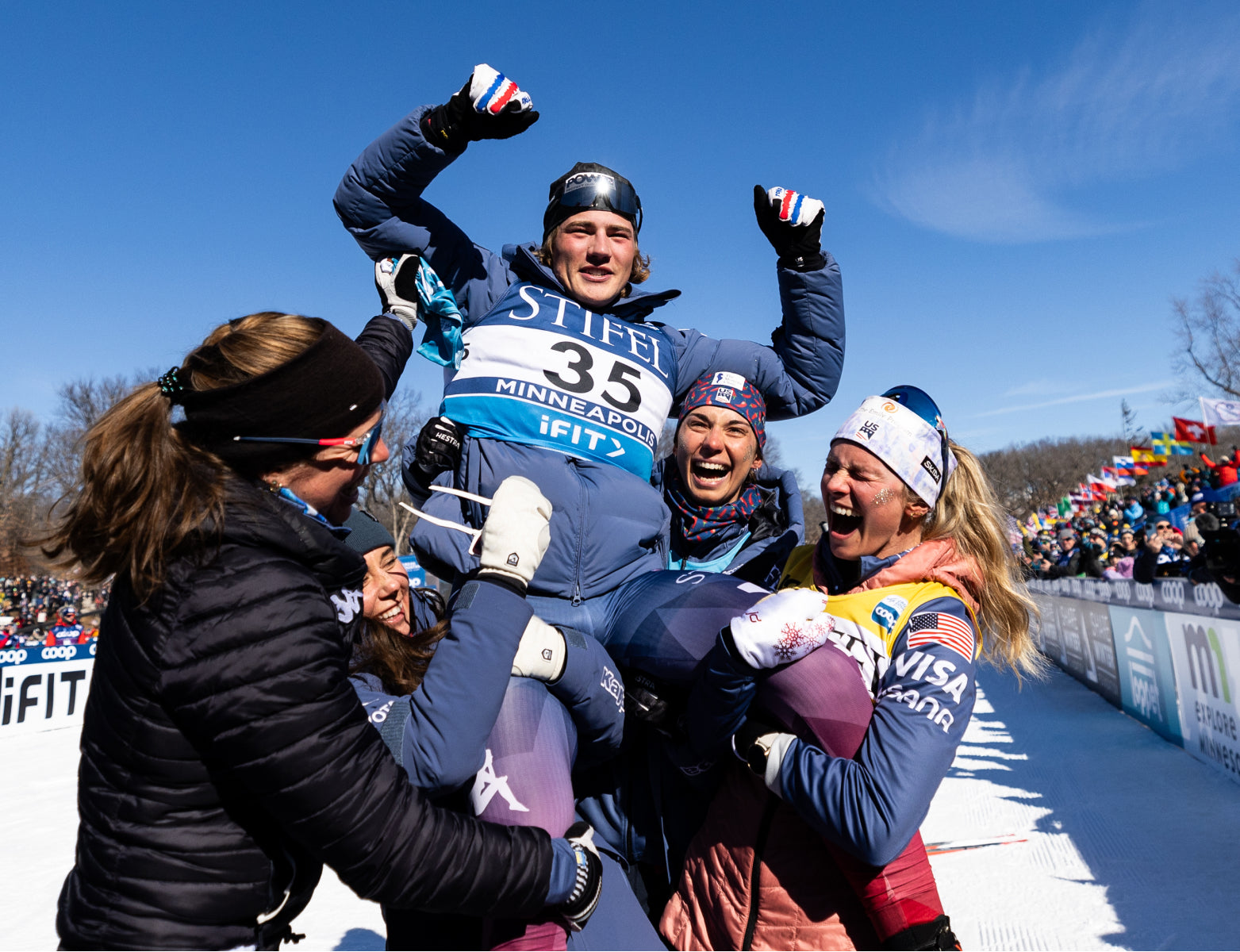
That was a really incredible moment for me and our whole team. Winning a World Cup has always been a dream of mine, but to have it coincide with the first home World Cup in most of our memories was unreal. It was such a great example of how fun it can be to make something exciting and get a bunch of people fired up. I went to the Birkie afterwards also, so that was a fun way to just enjoy the culture of American skiing.
It’s definitely made me more confident in general. Knowing I can ski like that when I’m just enjoying it and grateful to be there keeps me grounded and focused on having a good time and never taking this life for granted.
You’ve said before that being a good friend and teammate is important to you. What’s the current team culture like, and what does being part of a team mean to you?
The current team culture is really good. I think we get a little lucky with great people on the team, but there are definitely hard moments when not everyone makes a team or gets a start, and I think all the ground work of having good (and bad!) shared experiences really allows us to talk about and move past those moments. I also gotta give some credit to Matt Whitcomb for being very good at making us have the good and hard conversations sometimes that keep us honest.
What’s one moment from training camp or a race this year that made you feel especially proud of this team?
I think whenever we have a tough racing day as a team, whether it’s generally bad luck or hard conditions or rough skis, it tests us in a way that I think we have gotten better at responding to. We recognize that we’re all people and making some mistakes can take some pressure off sometimes while bringing us closer.
You're active as a member of POW (Protect Our Winters). What motivates your advocacy work, and what do you hope to accomplish with it?
I’m motivated to be an advocate for our water, air, and lands because it’s what sustains all of us whether we feel it much or not. I feel it all the time, especially when I’m alone in the woods or the mountains, and I’d be remiss if I didn’t speak up for the natural world which we are fully a part of. I hope to inspire all people to care about their area and get out and enjoy it, and hopefully join me in advocating for it…even if just to a single friend.
Looking back at your first Olympics, how do you feel you’ve grown—both as a skier and a person—since then?
Man so much. I feel like that Olympics was a pretty big turning point in my life actually. I alluded to it in a different question but my health was not good and that made me really reconsider how I went about training. I started doing slightly less hours through the summer with the goal to prioritize energy. That opened up so much capacity to do other things and explore different ways of training. I felt like I was able to make super fast improvements, especially in sprinting and how I was moving my body in general. Since then I’ve kept that mindset of always keeping some energy in the bank and I think it’s served me really well.
Alaska is a notoriously cold and rugged place—how does growing up training in Anchorage influence the way you ski and prepare?
I think the biggest influence it has is that it's such a good place to train that I’ve gotten the pleasure of staying there and being close to my family while not feeling like I’m sacrificing anything. Other than that I think growing up there made me really appreciate winter and bad weather sometimes.