























Meet the Athlete:
Ryan Cochran-Siegle
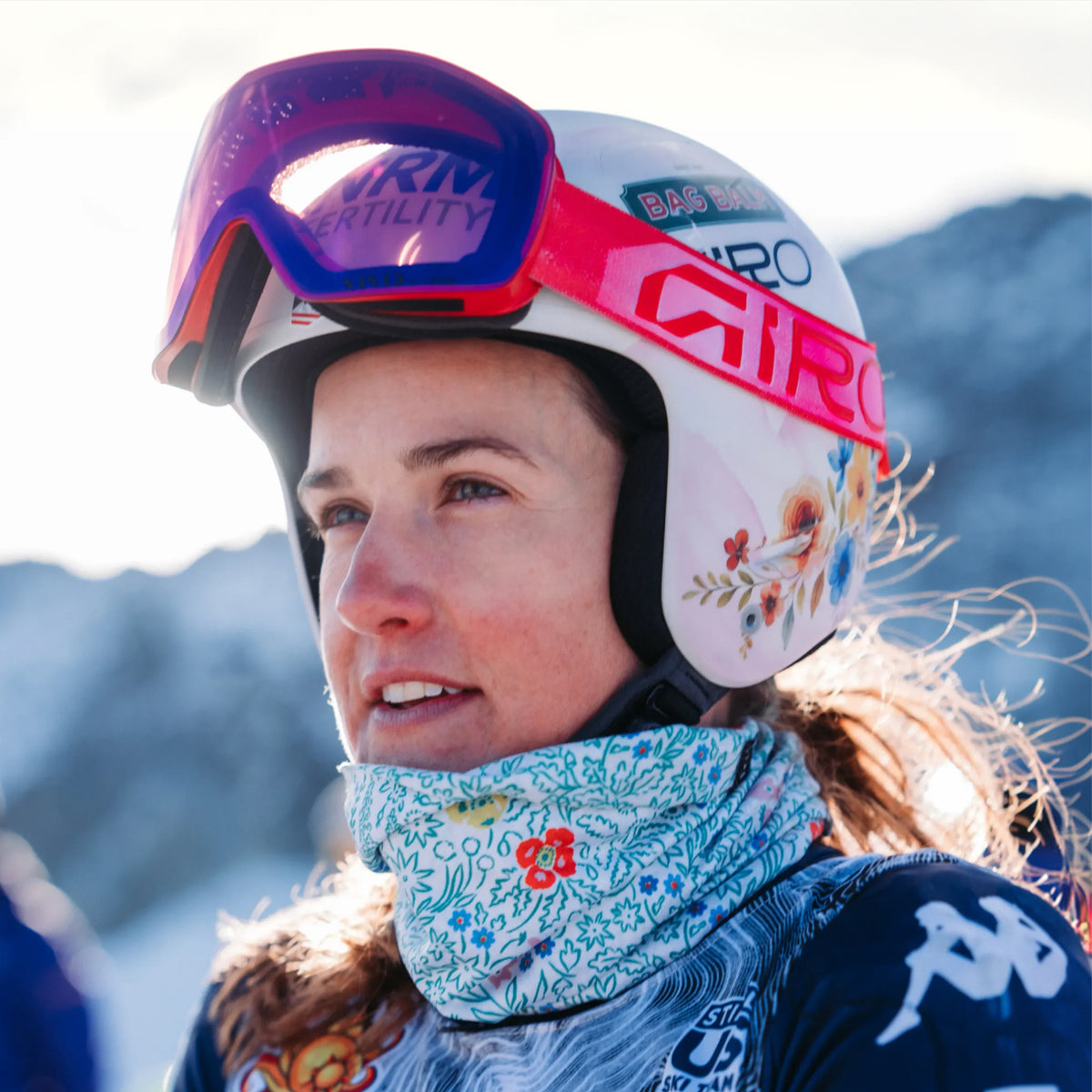
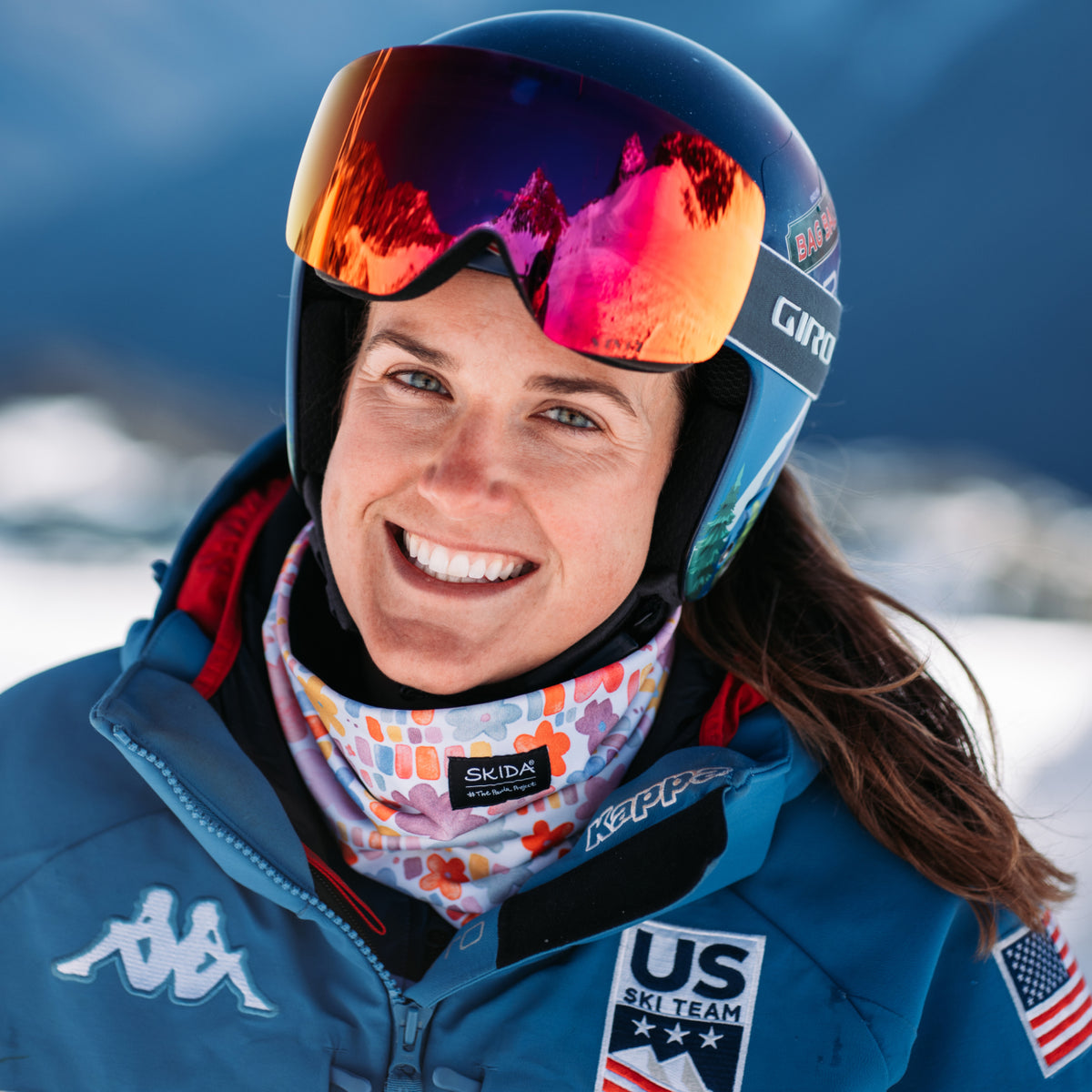
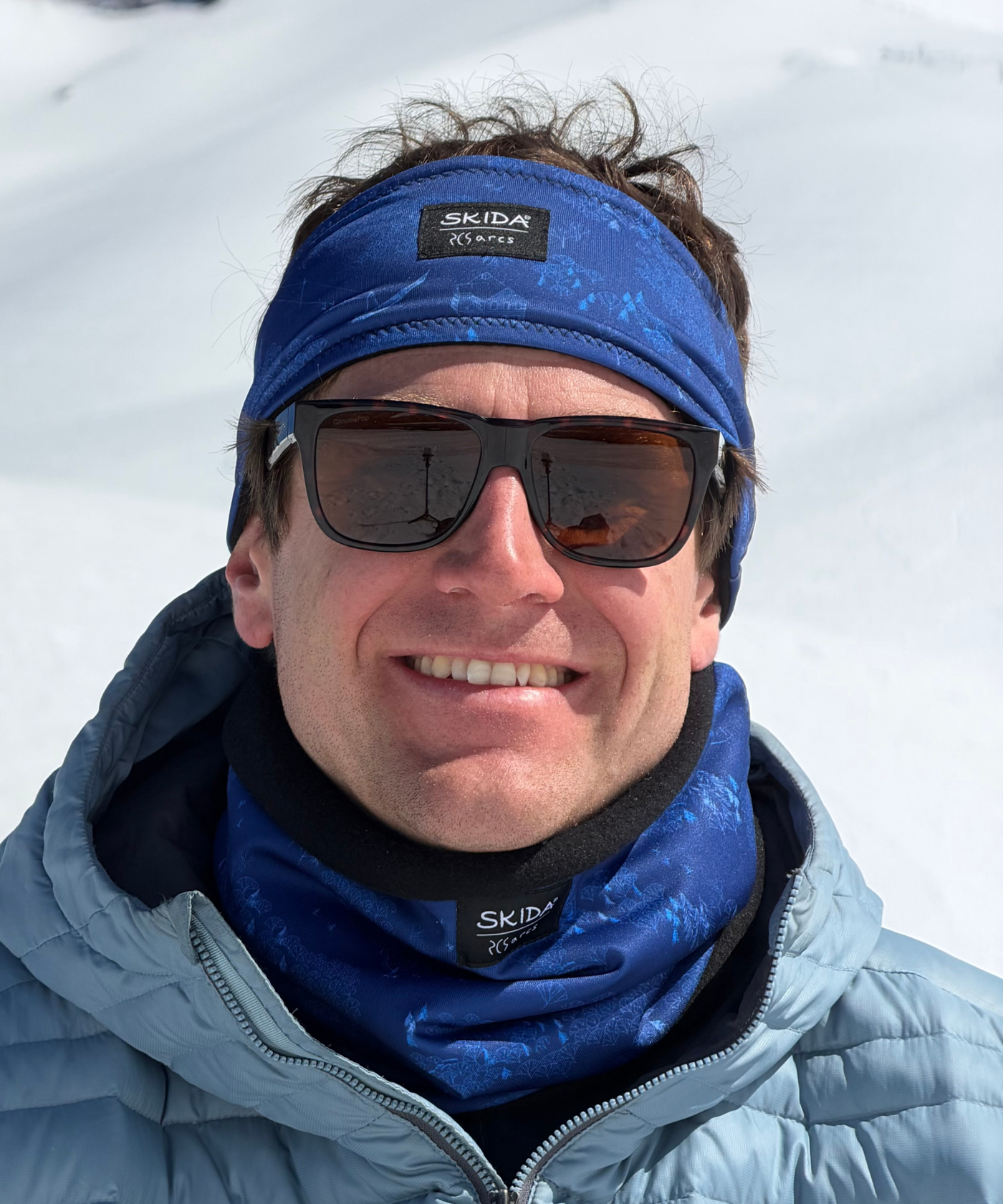
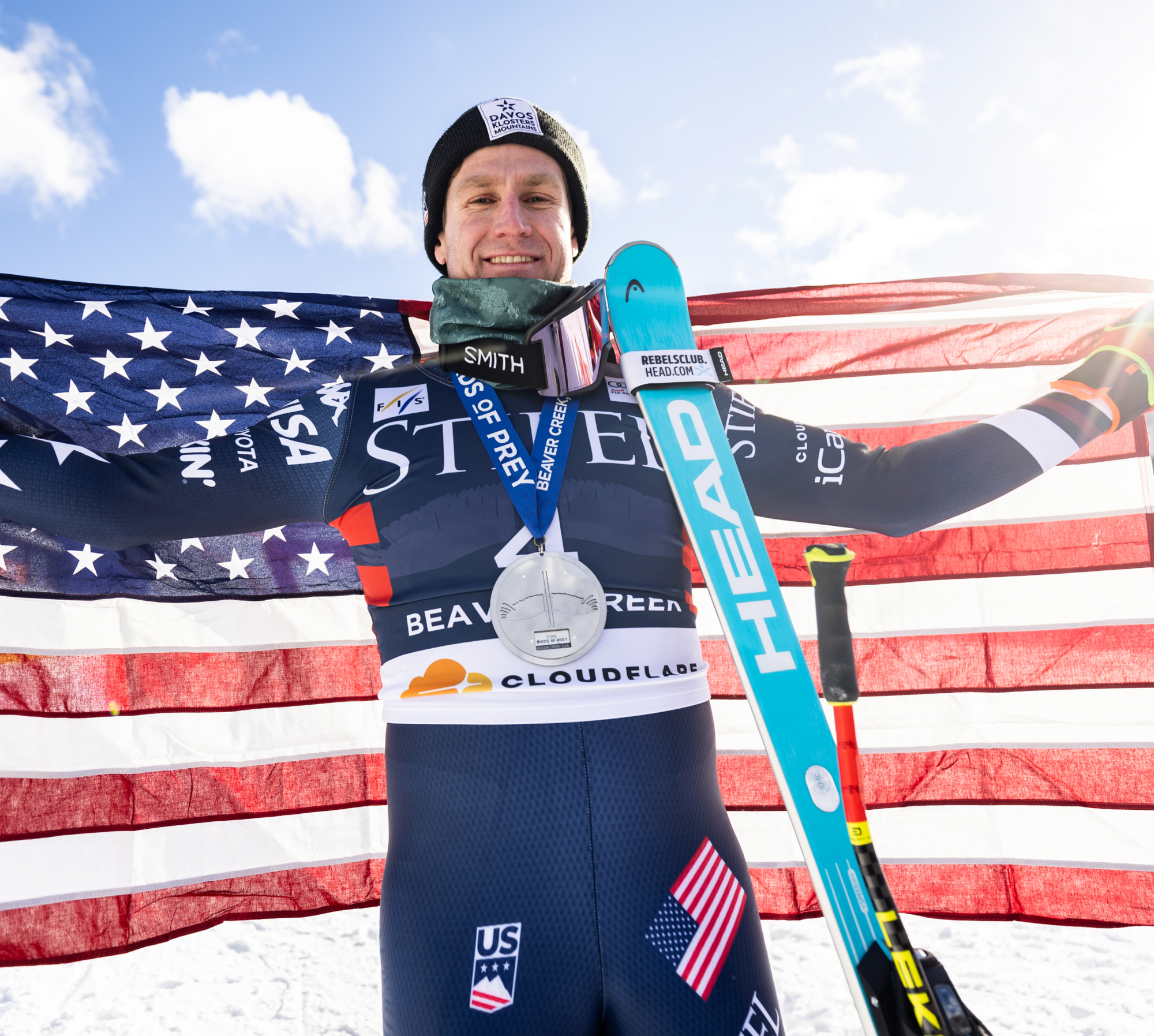
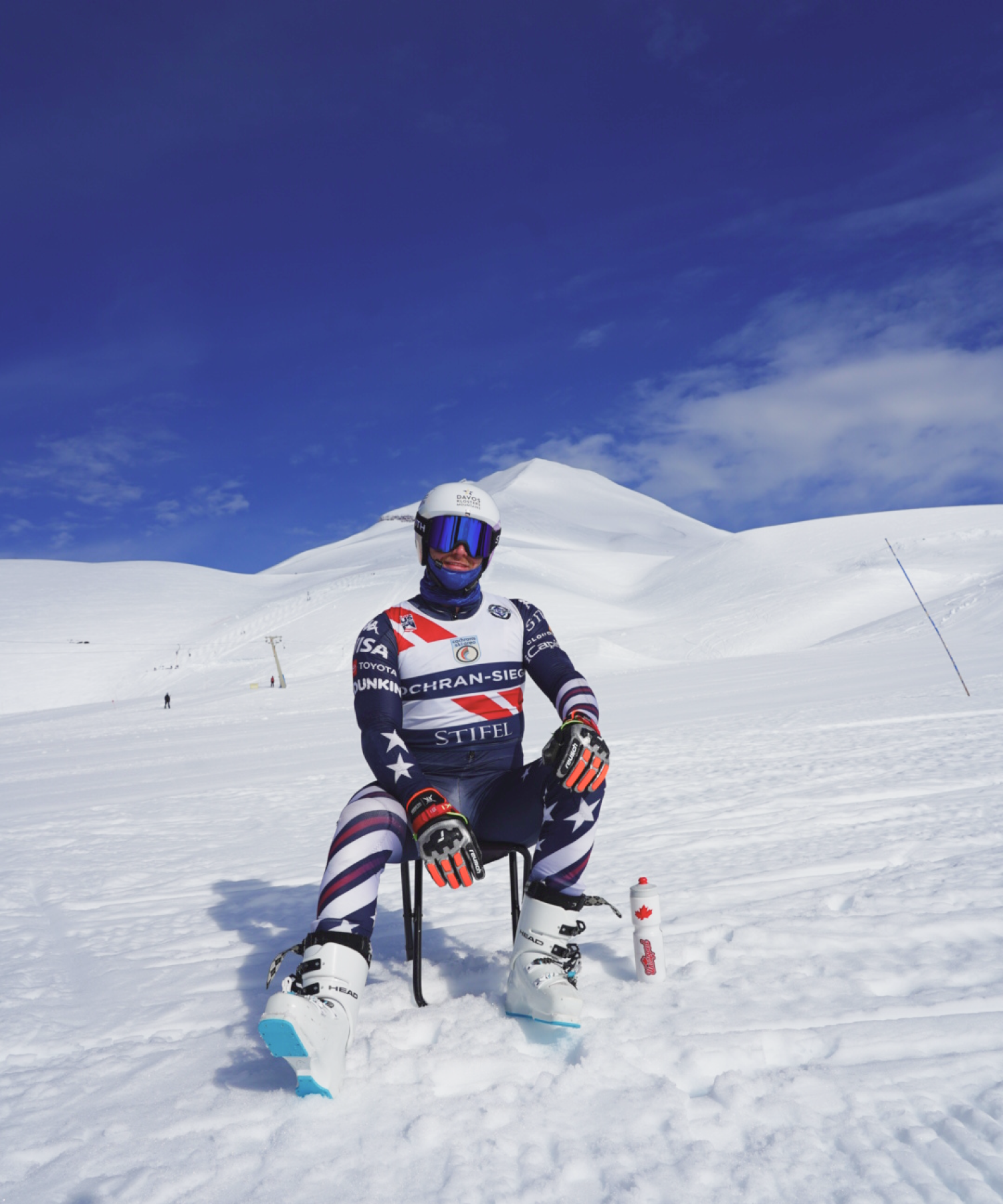
Ryan hails from Skida’s home state of Vermont and continues the skiing legacy of the historic Cochran family. He secured a silver medal at both the 2022 Beijing Olympics and 2026 Milan Cortina Olympics.
Great success often takes a village; in Ryan's case, this is undoubtedly true (plus, his determination and a lot of hard work). The Cochran family has been known in the ski world for the last fifty years and Ryan is carrying on the family legacy.

Q&A with Ryan
1. Tell us about your print this year. Which element(s) are you most excited about?
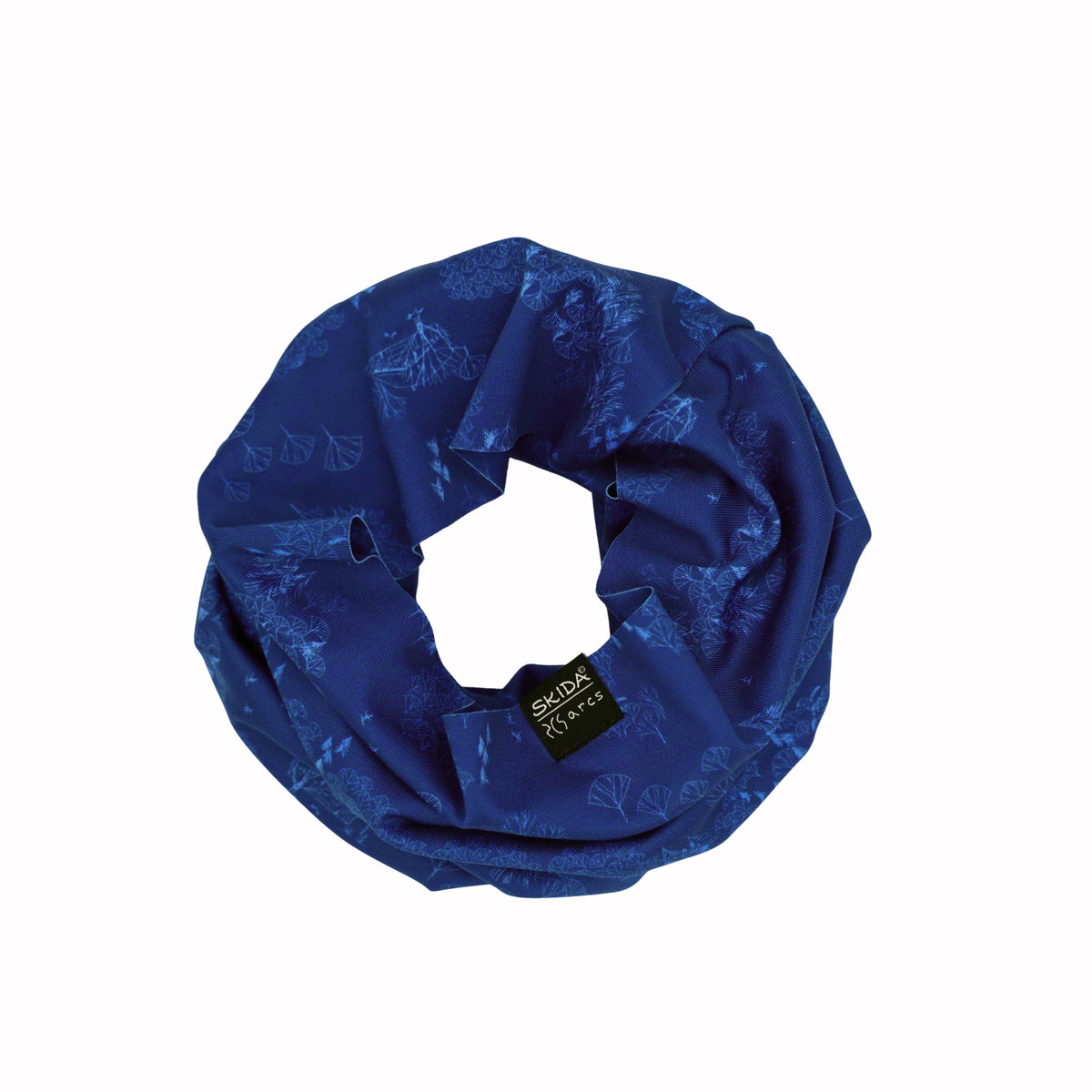
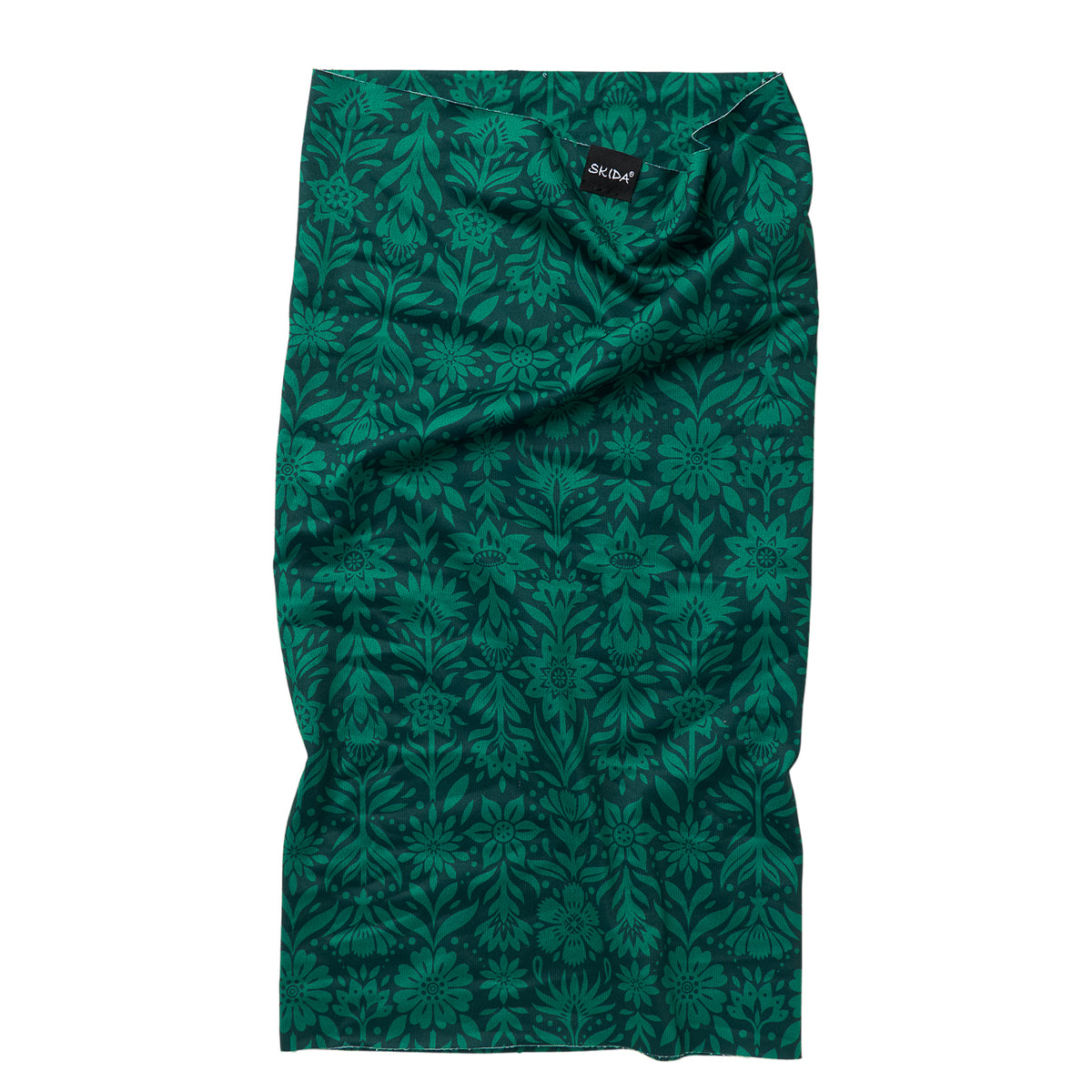
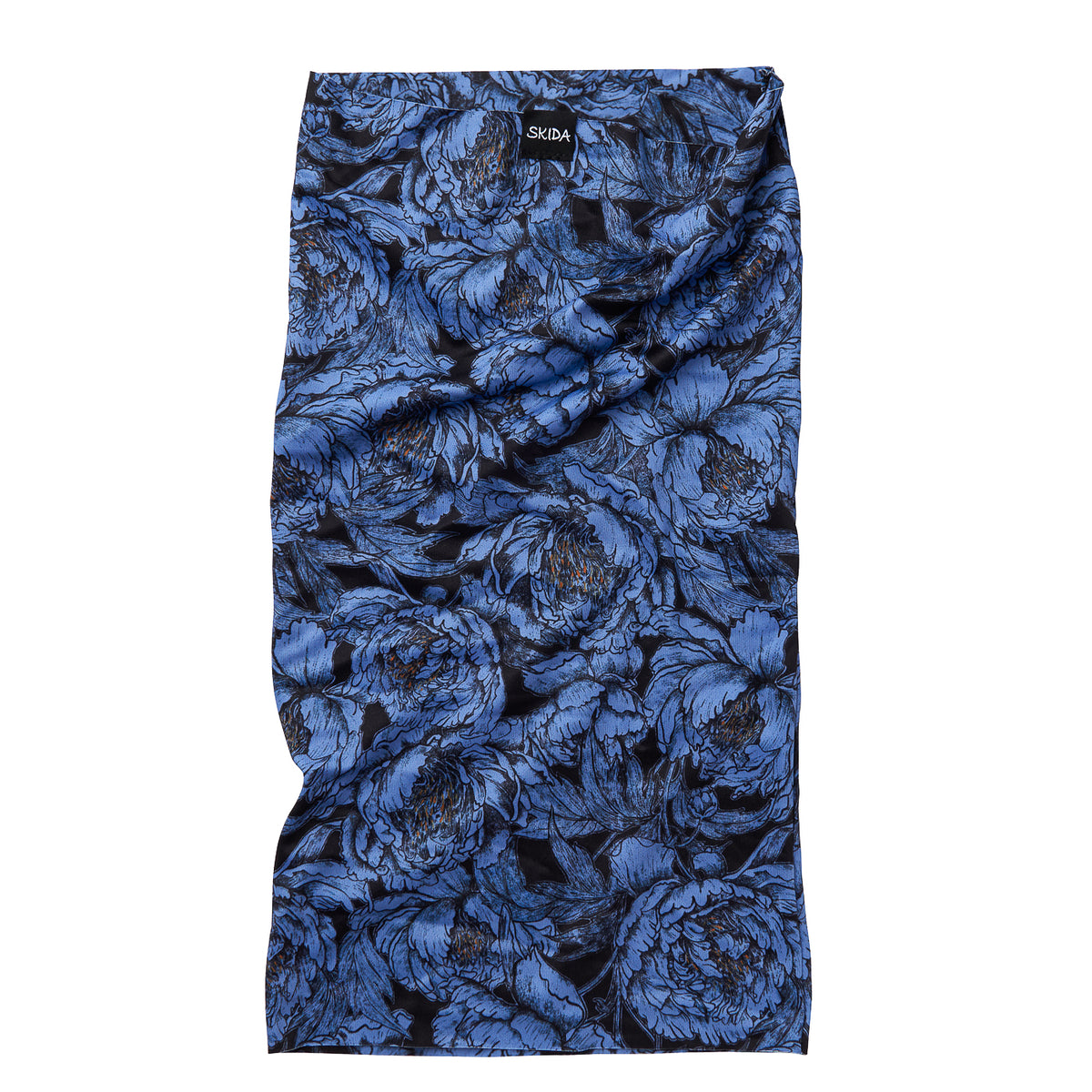
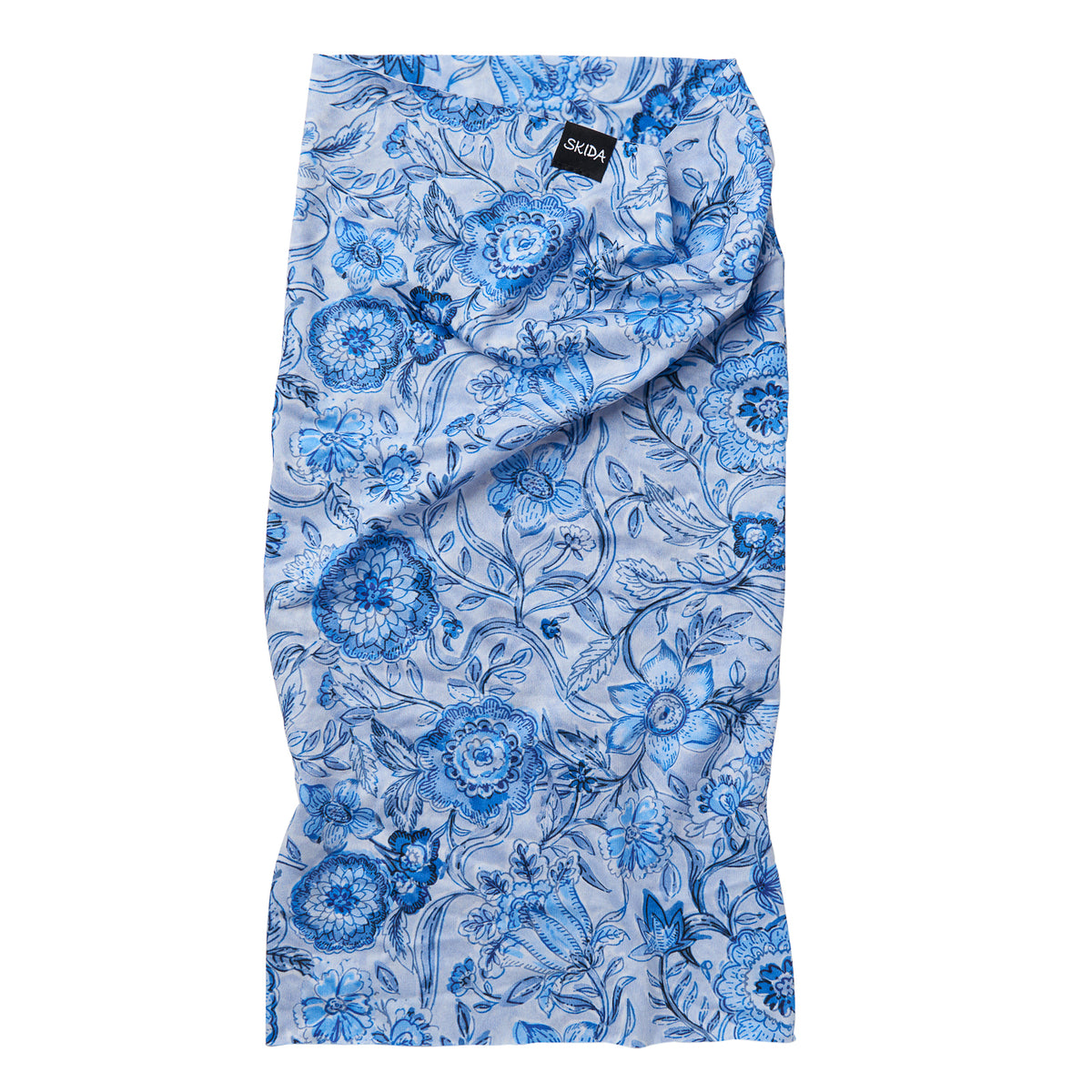
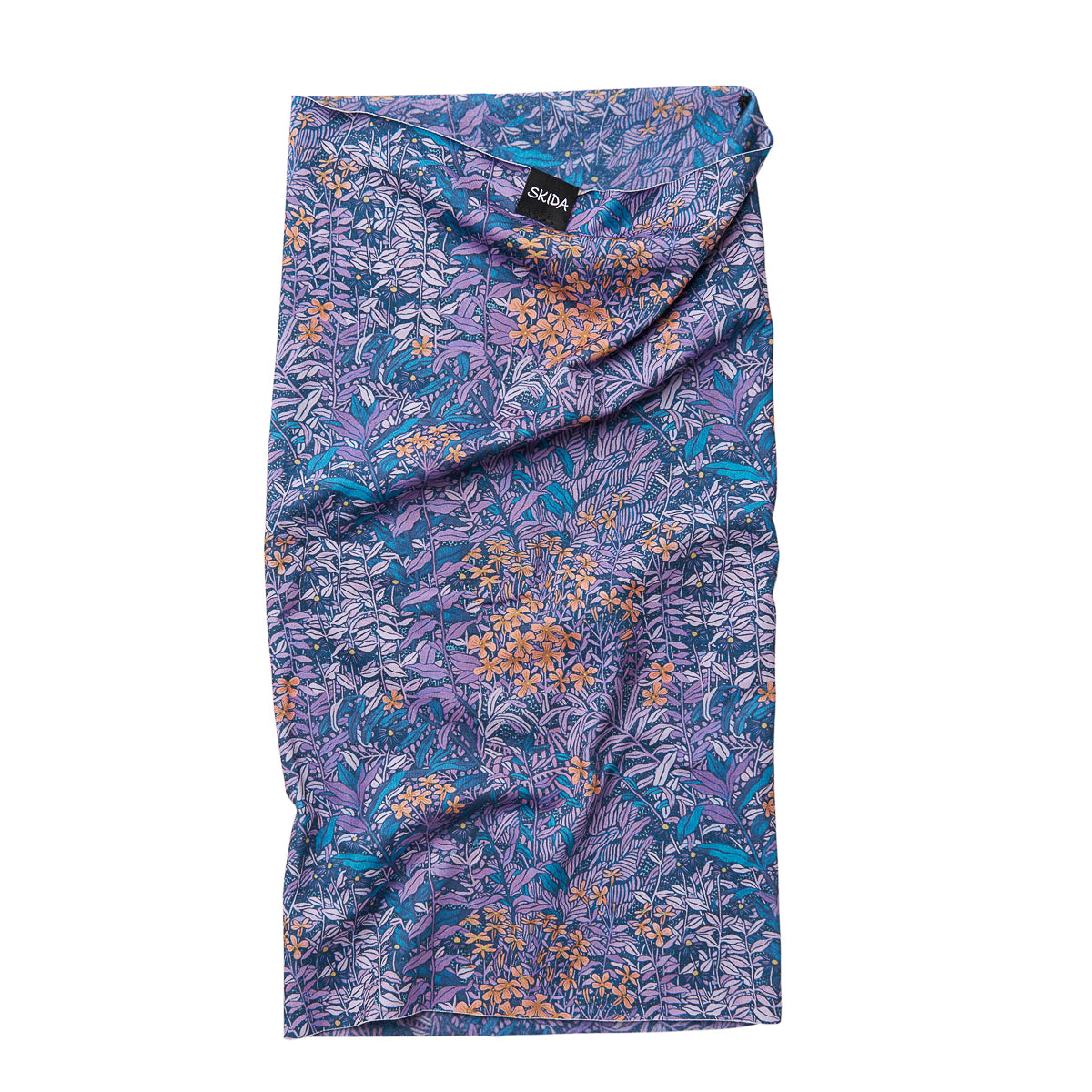
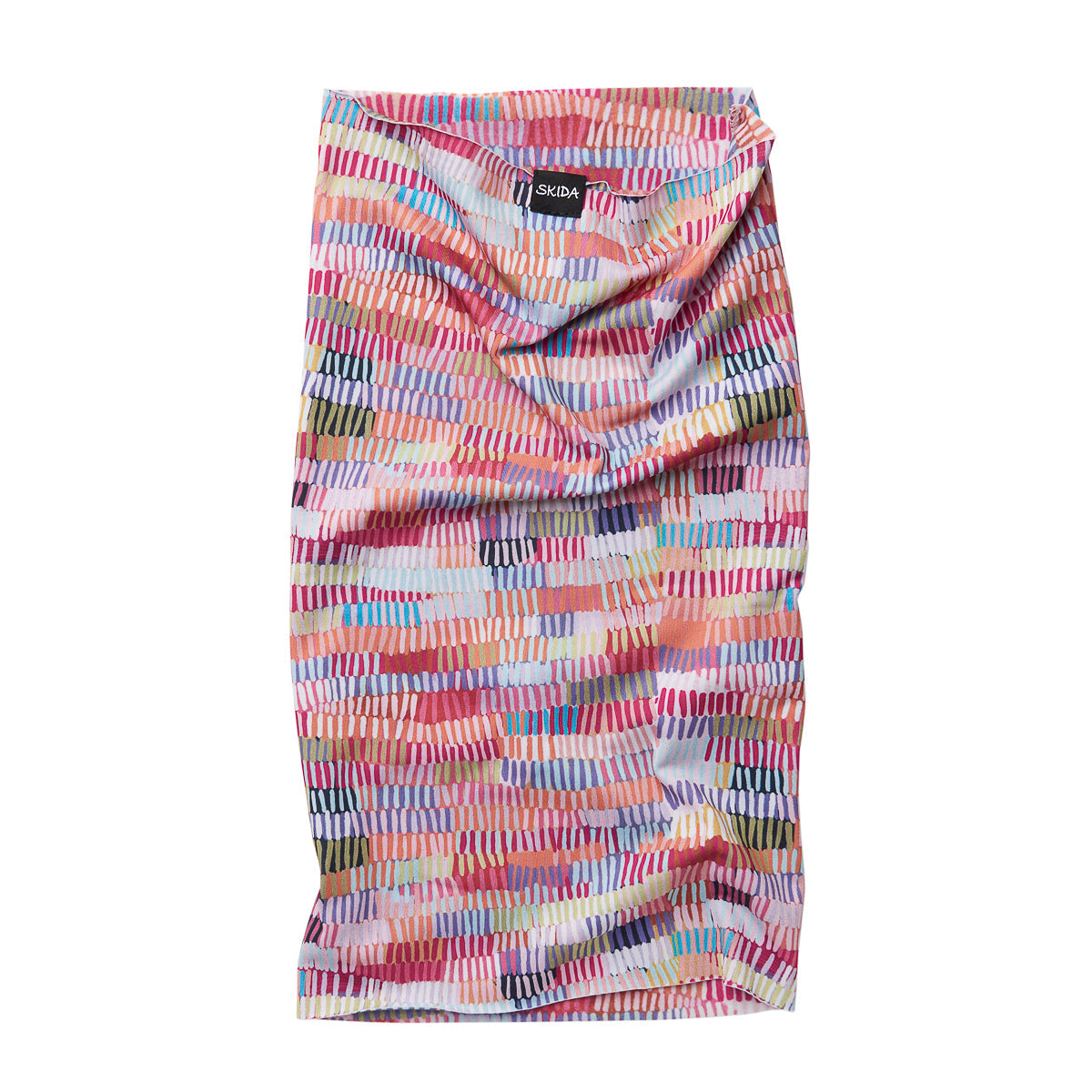
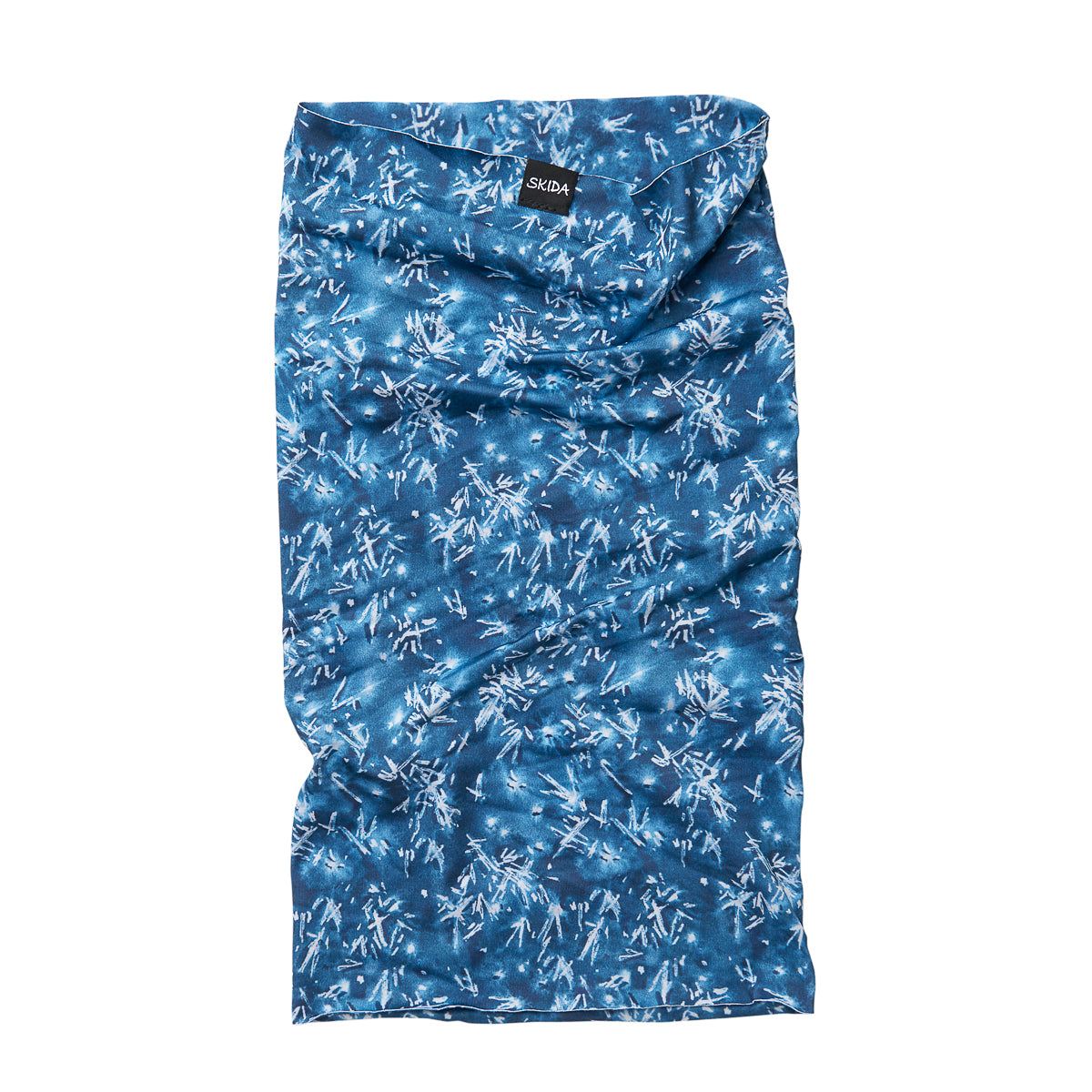
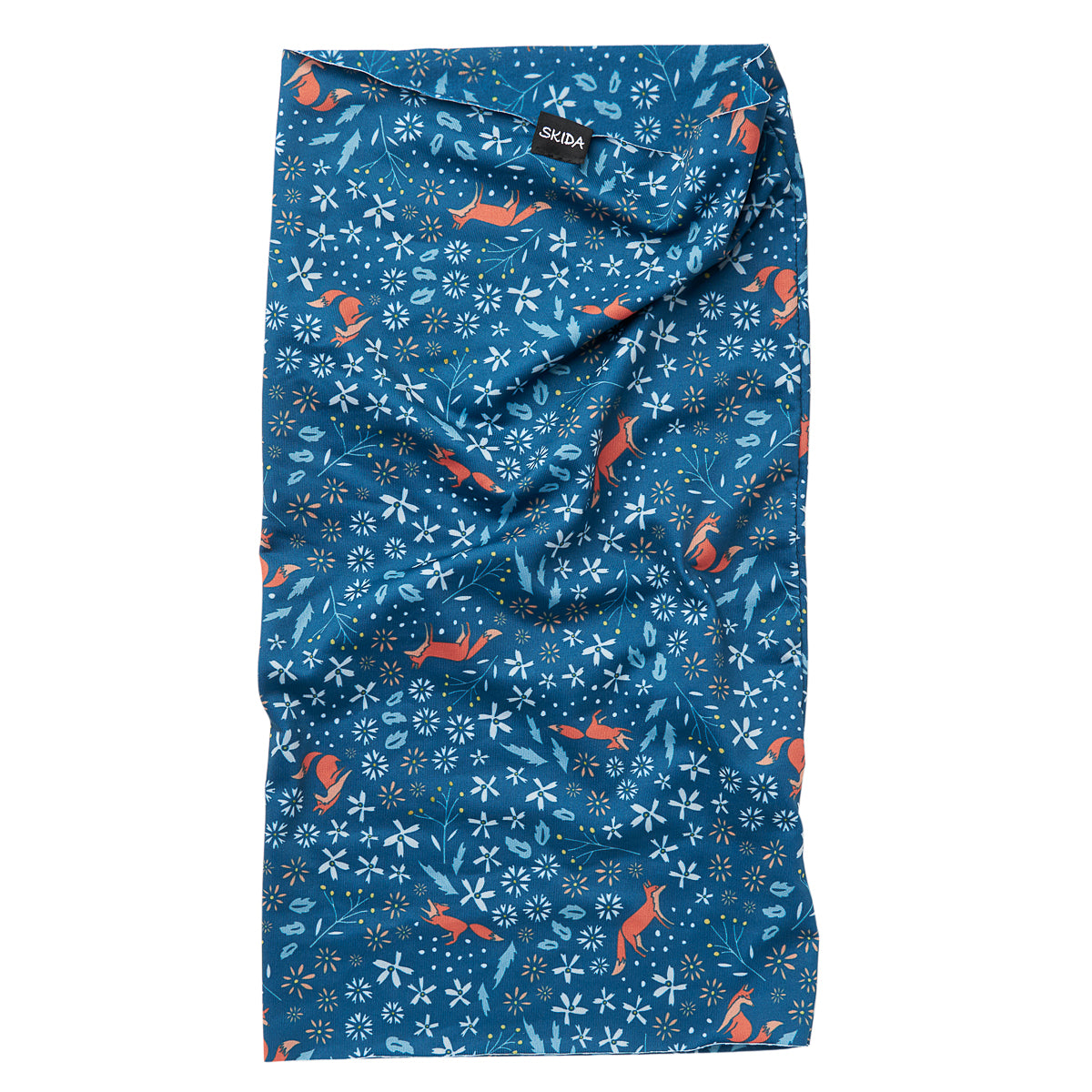
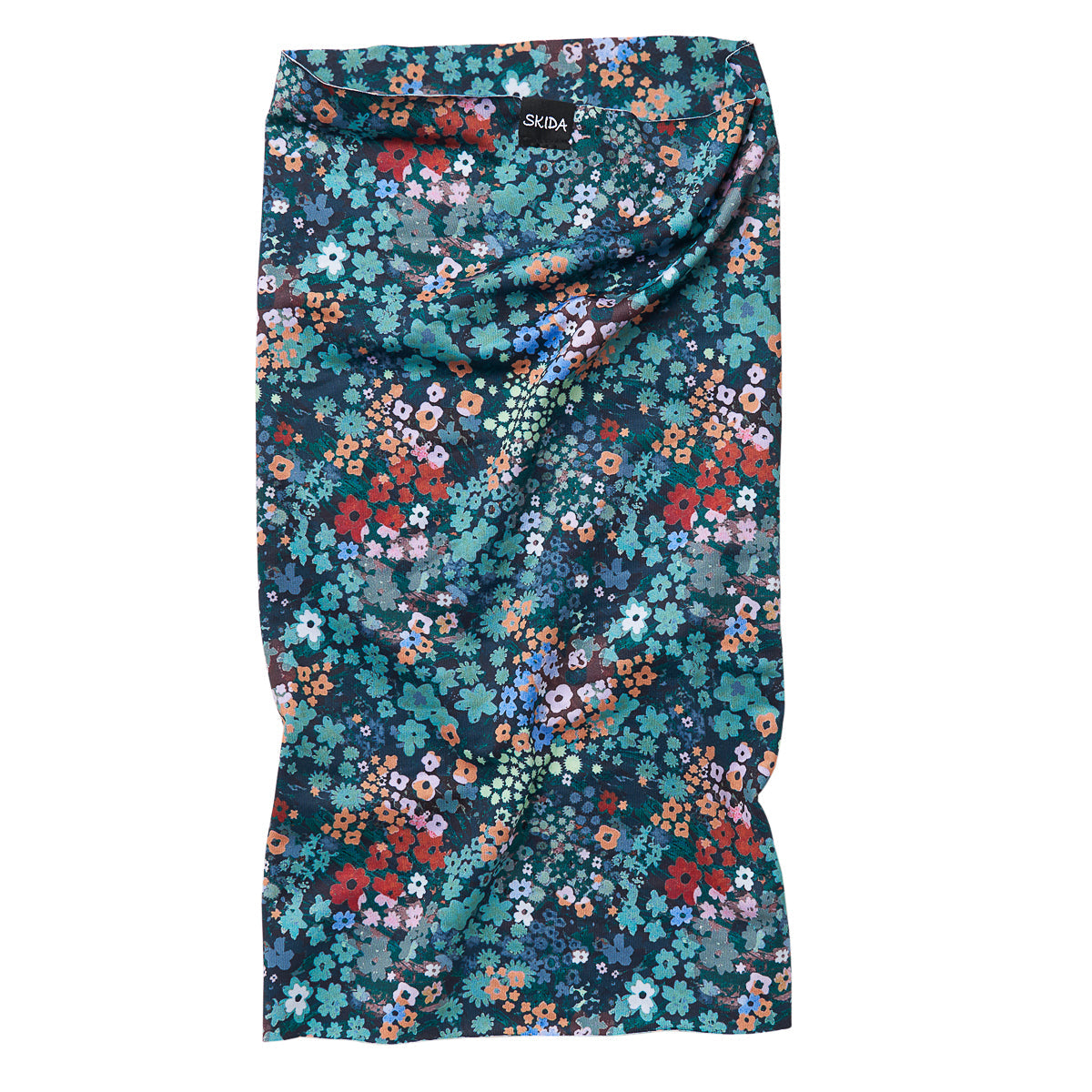
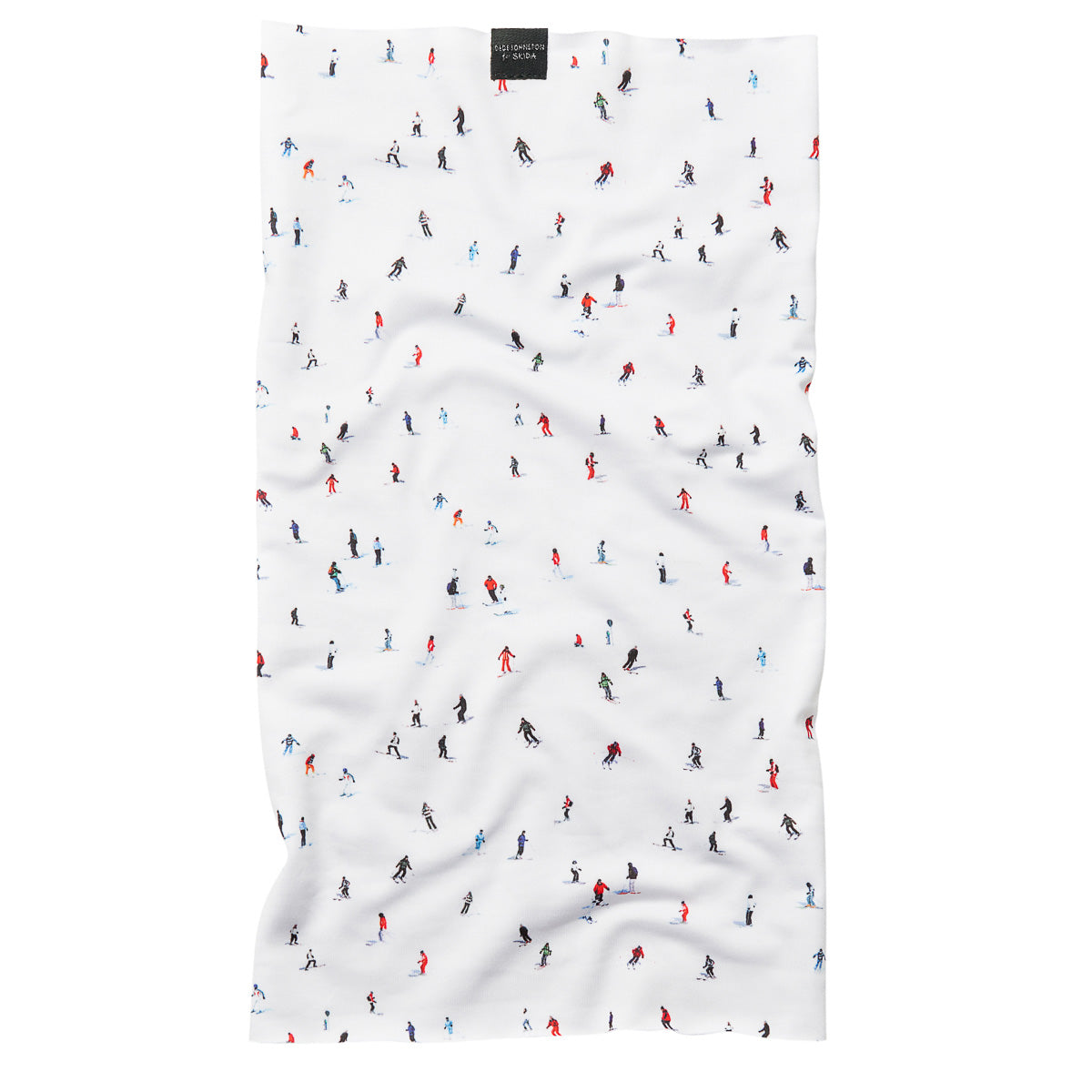
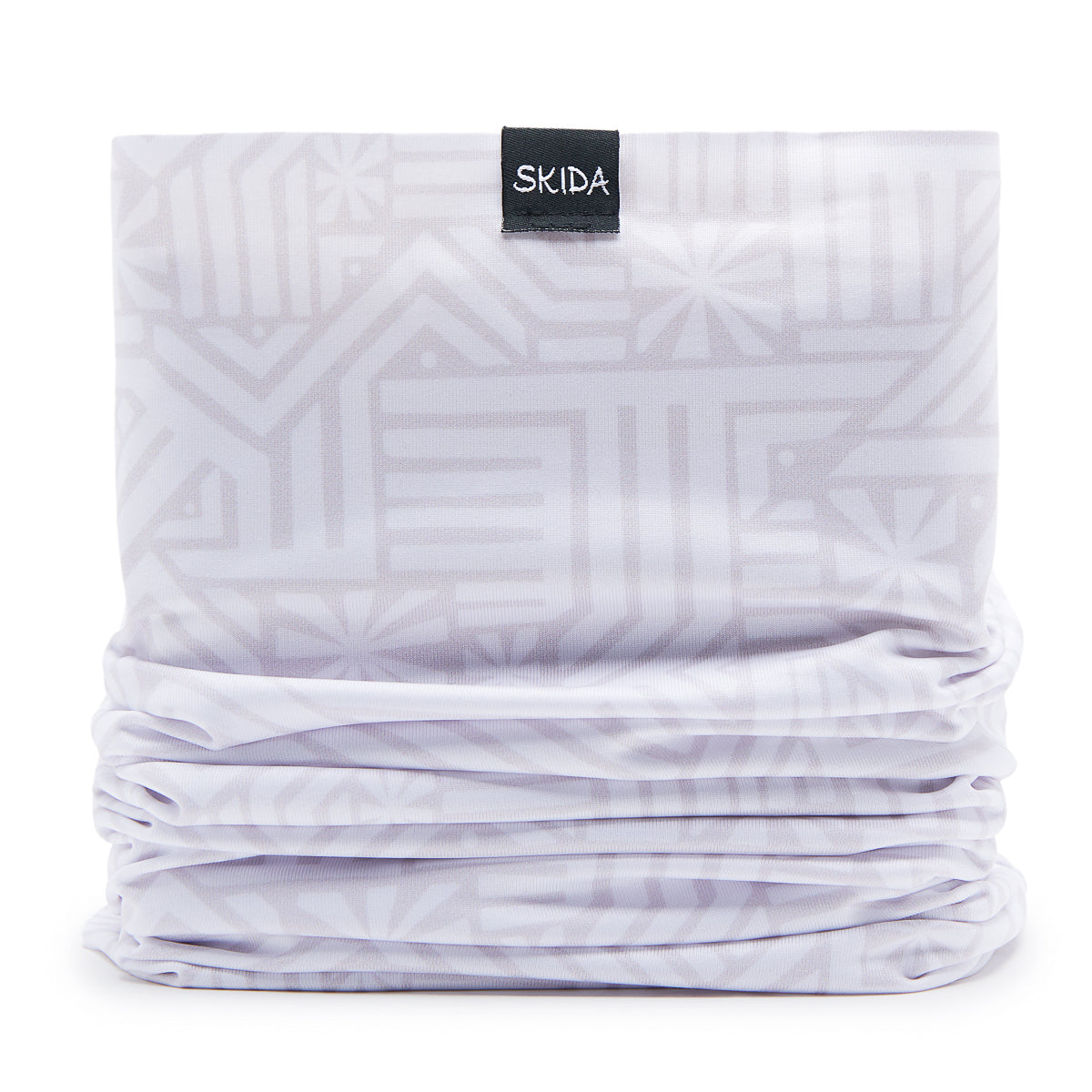
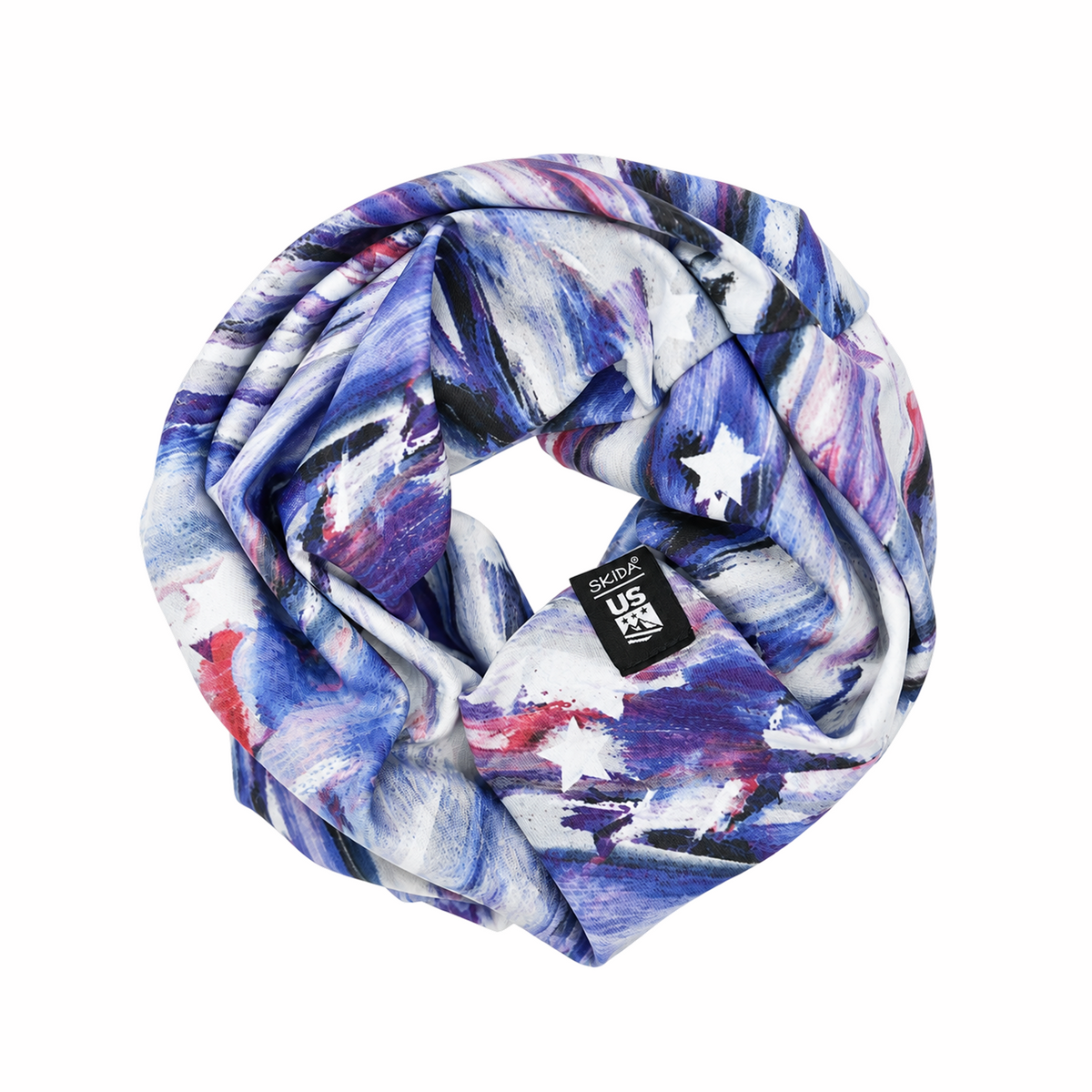
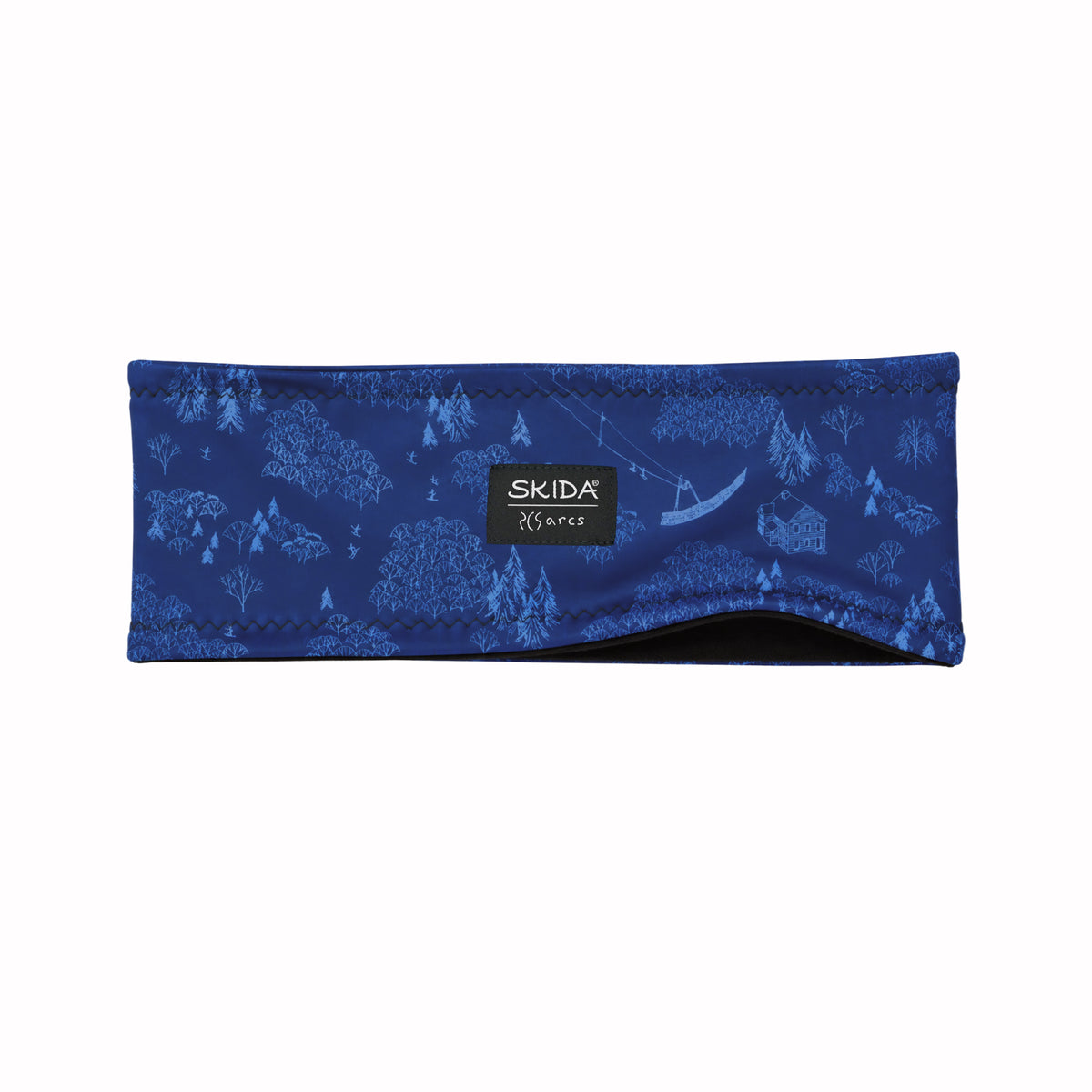
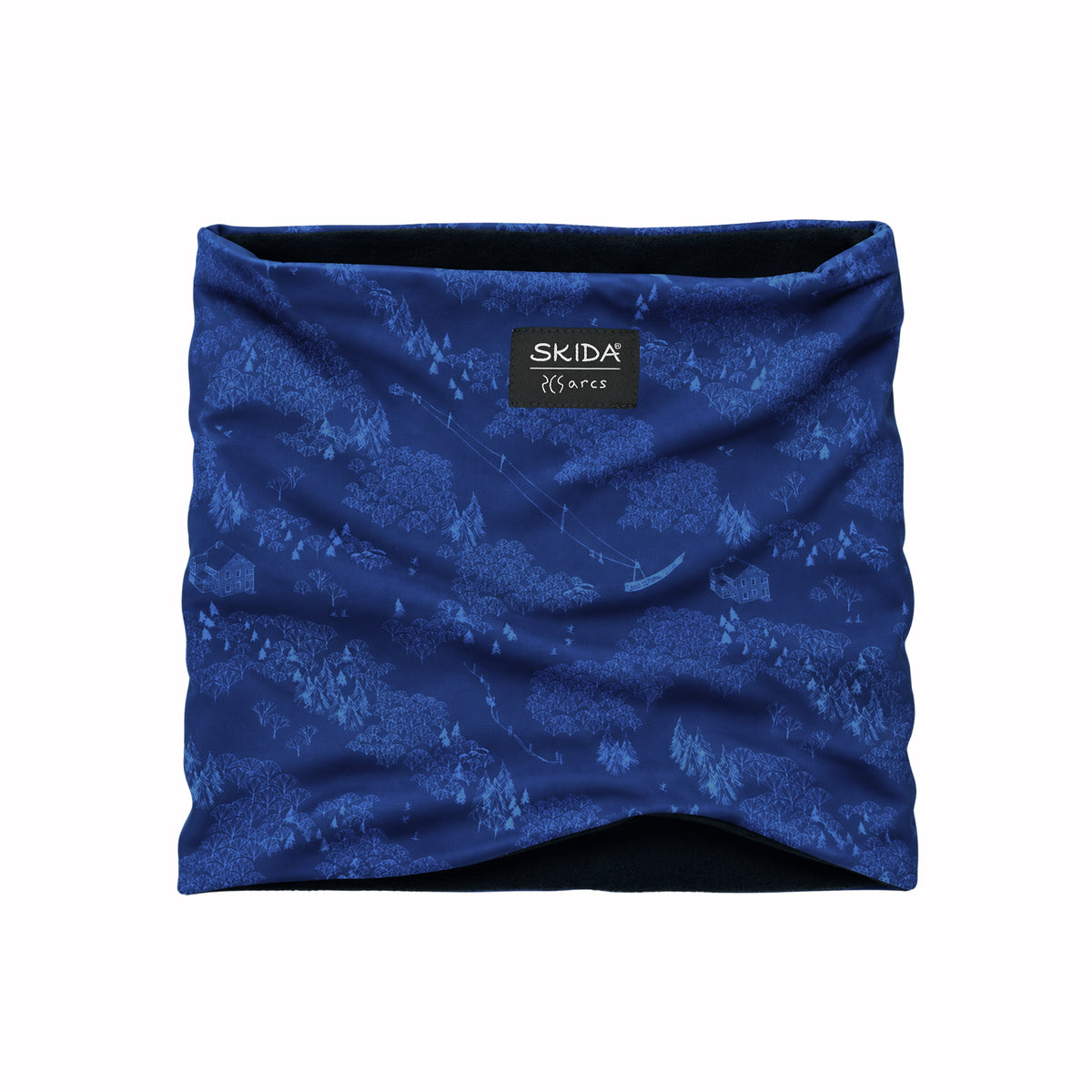
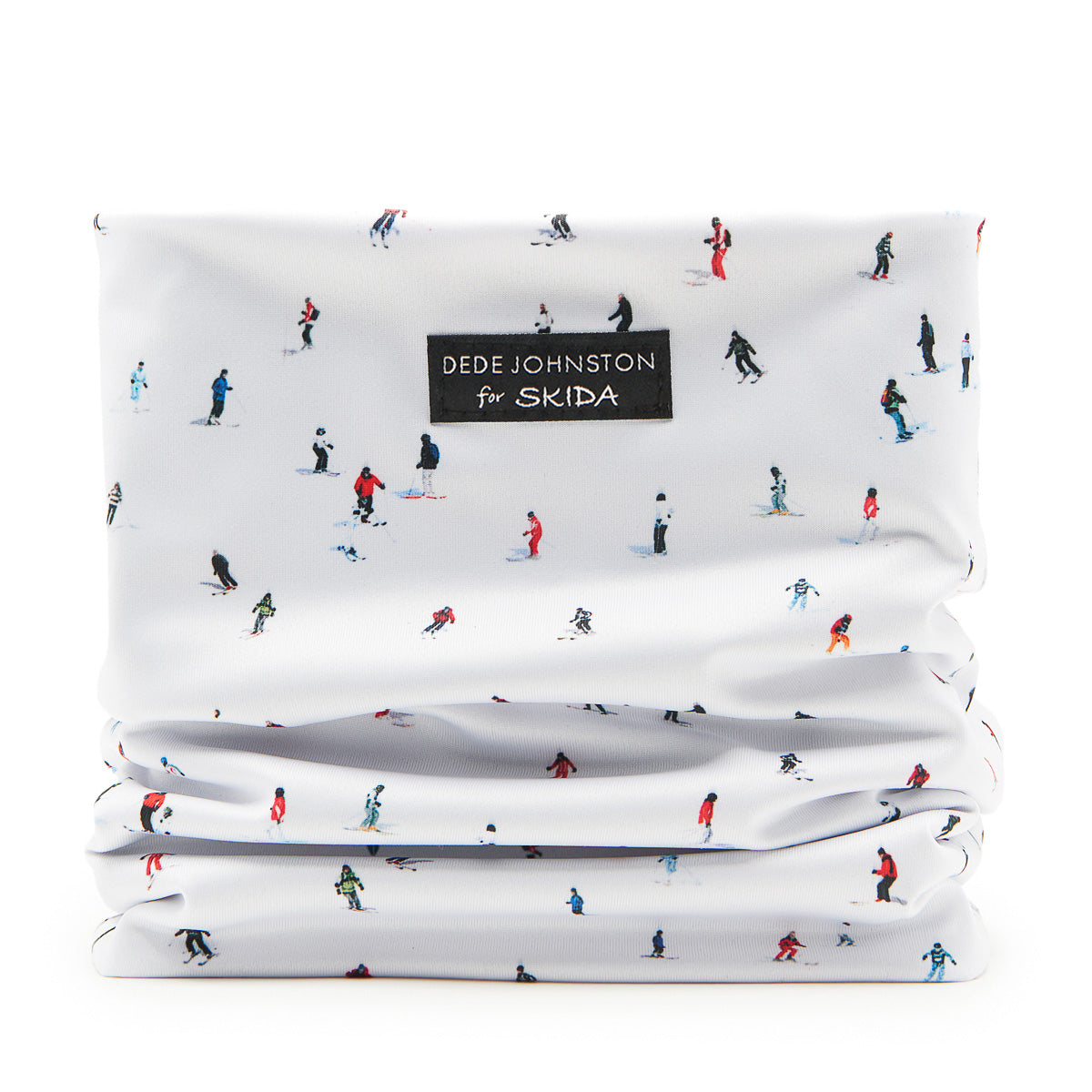
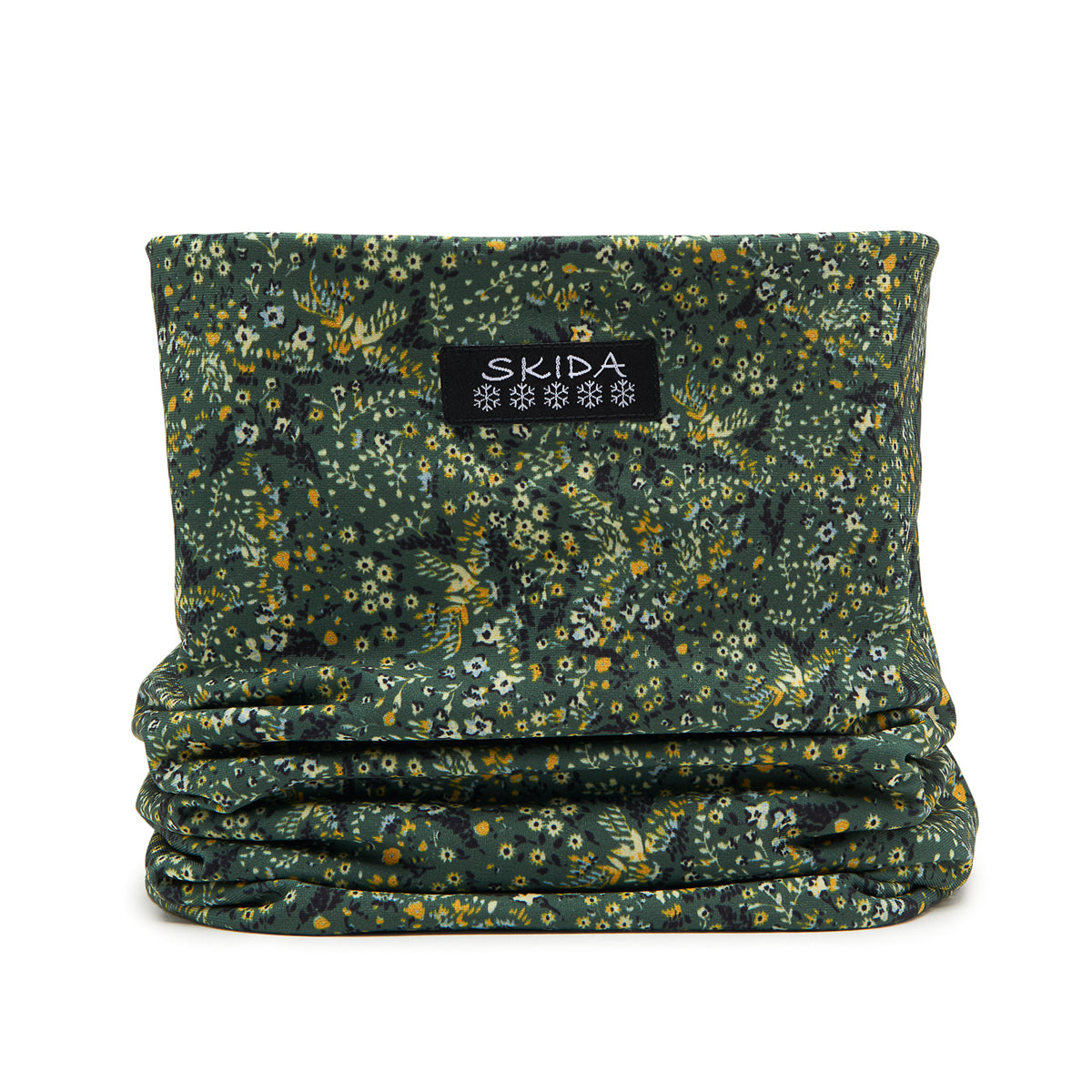
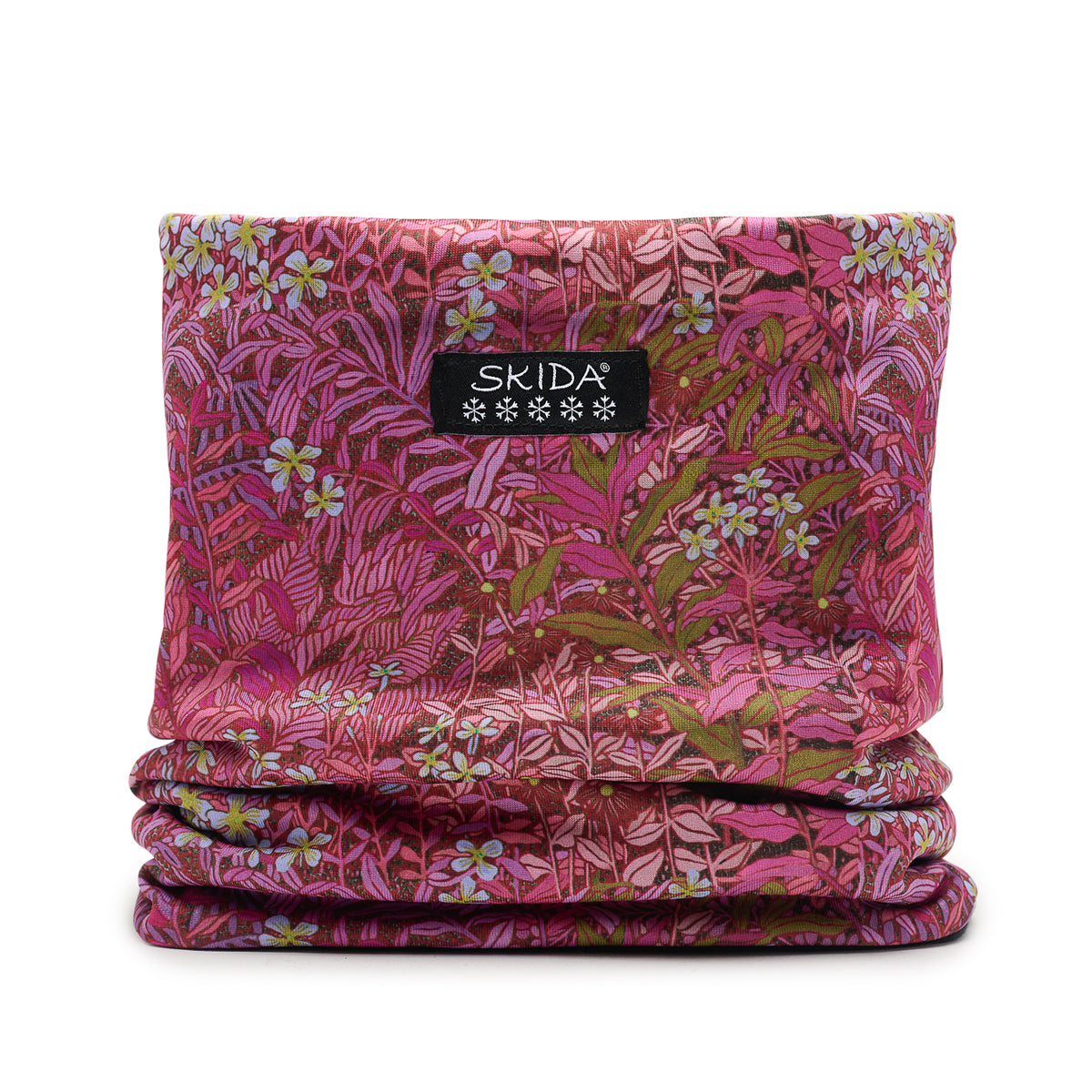
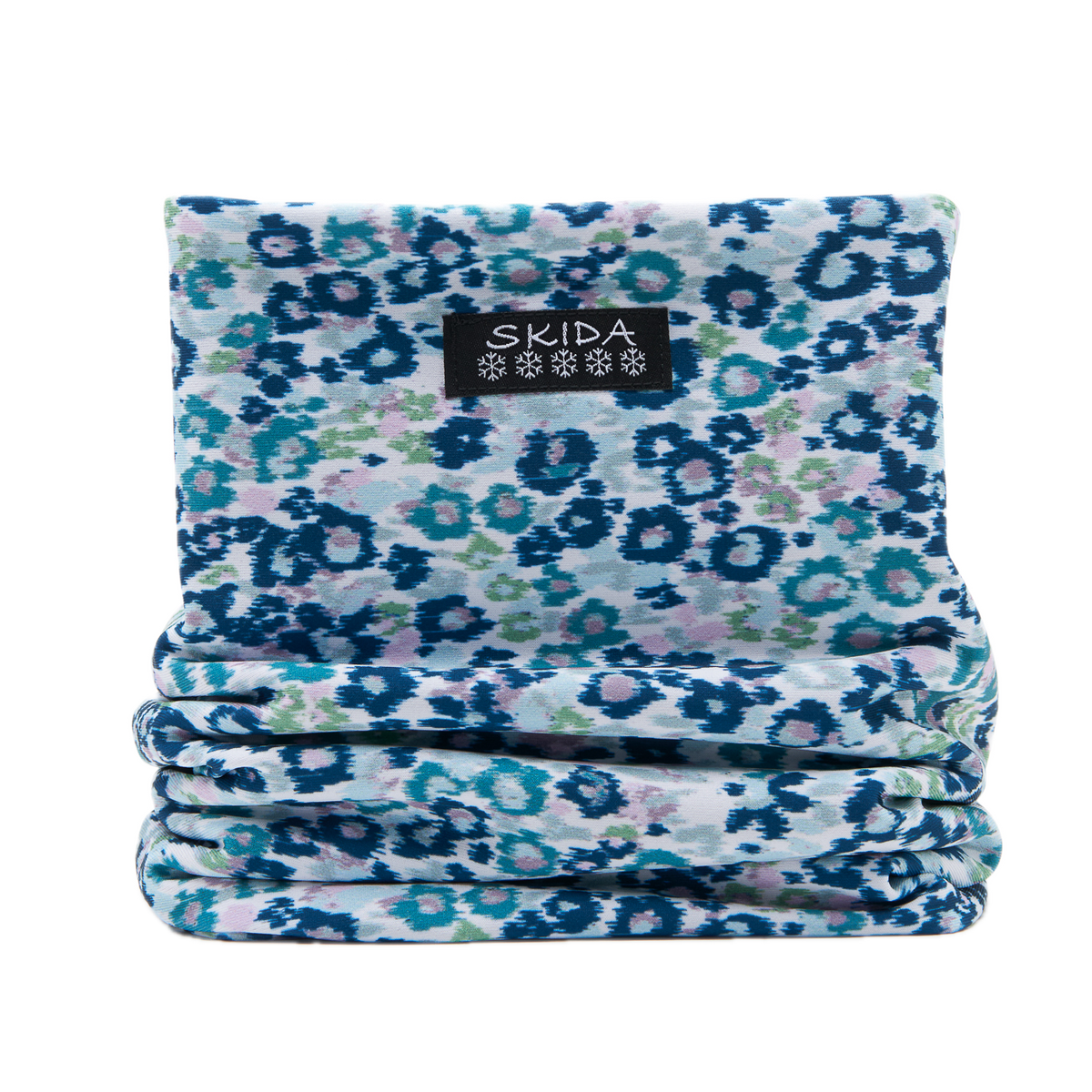
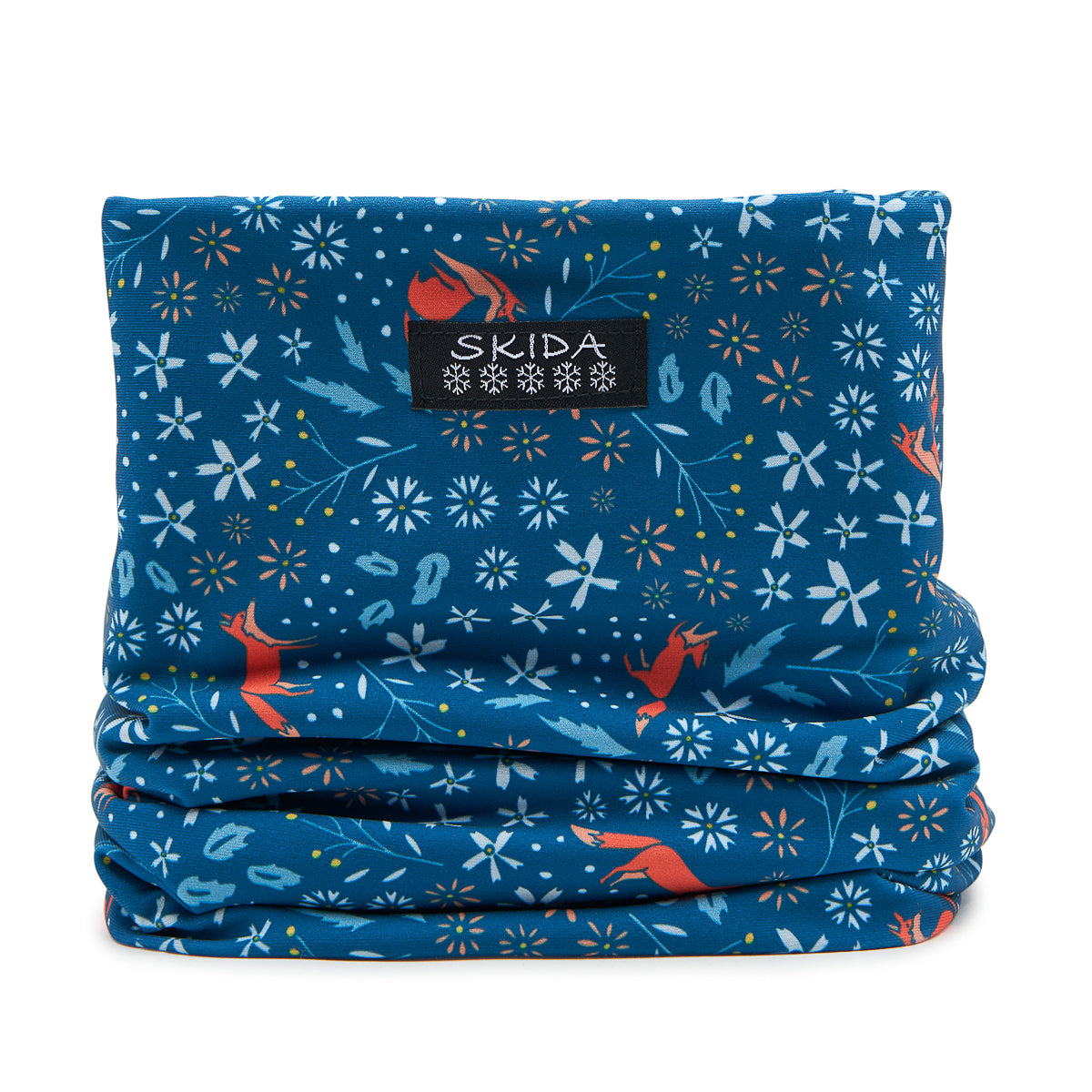
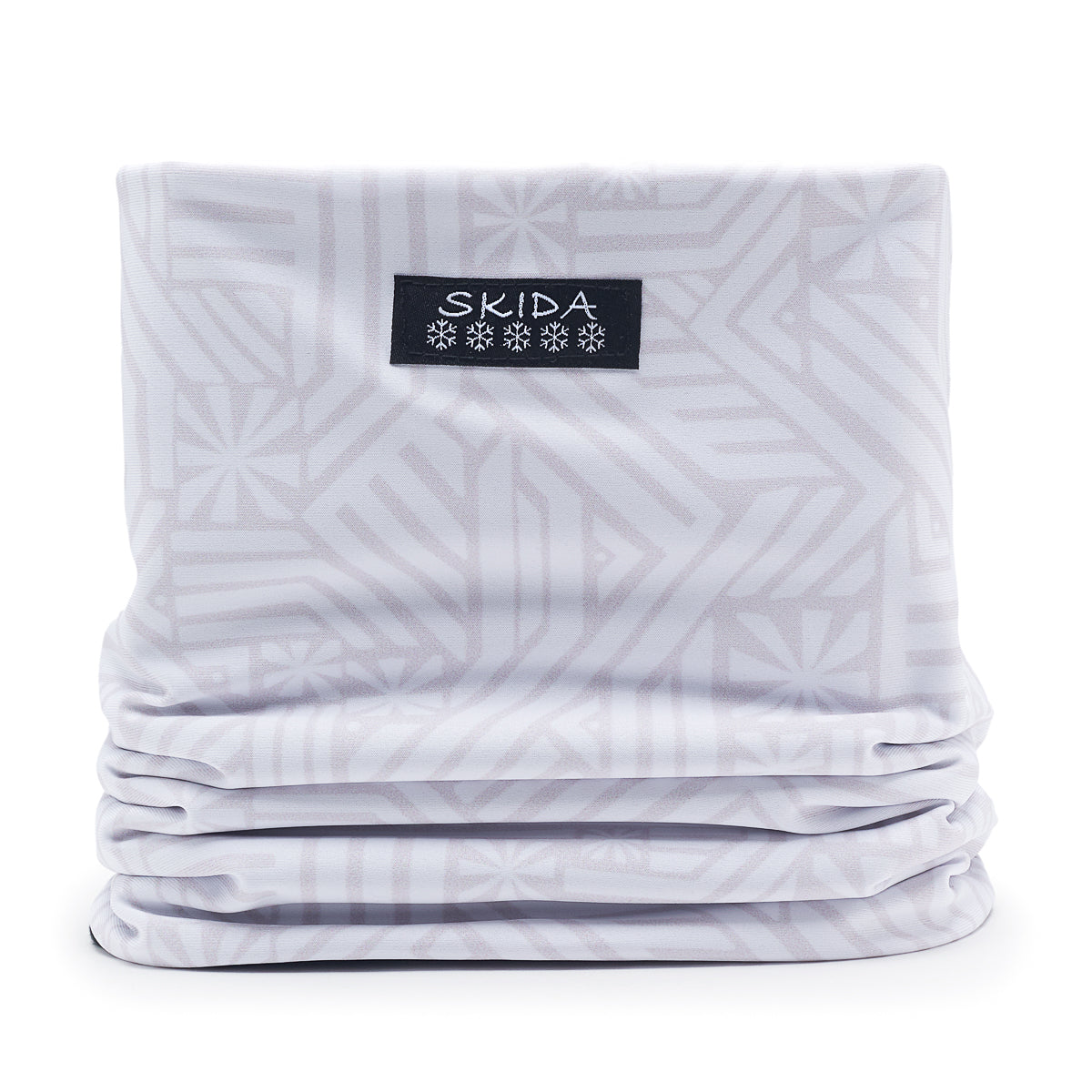
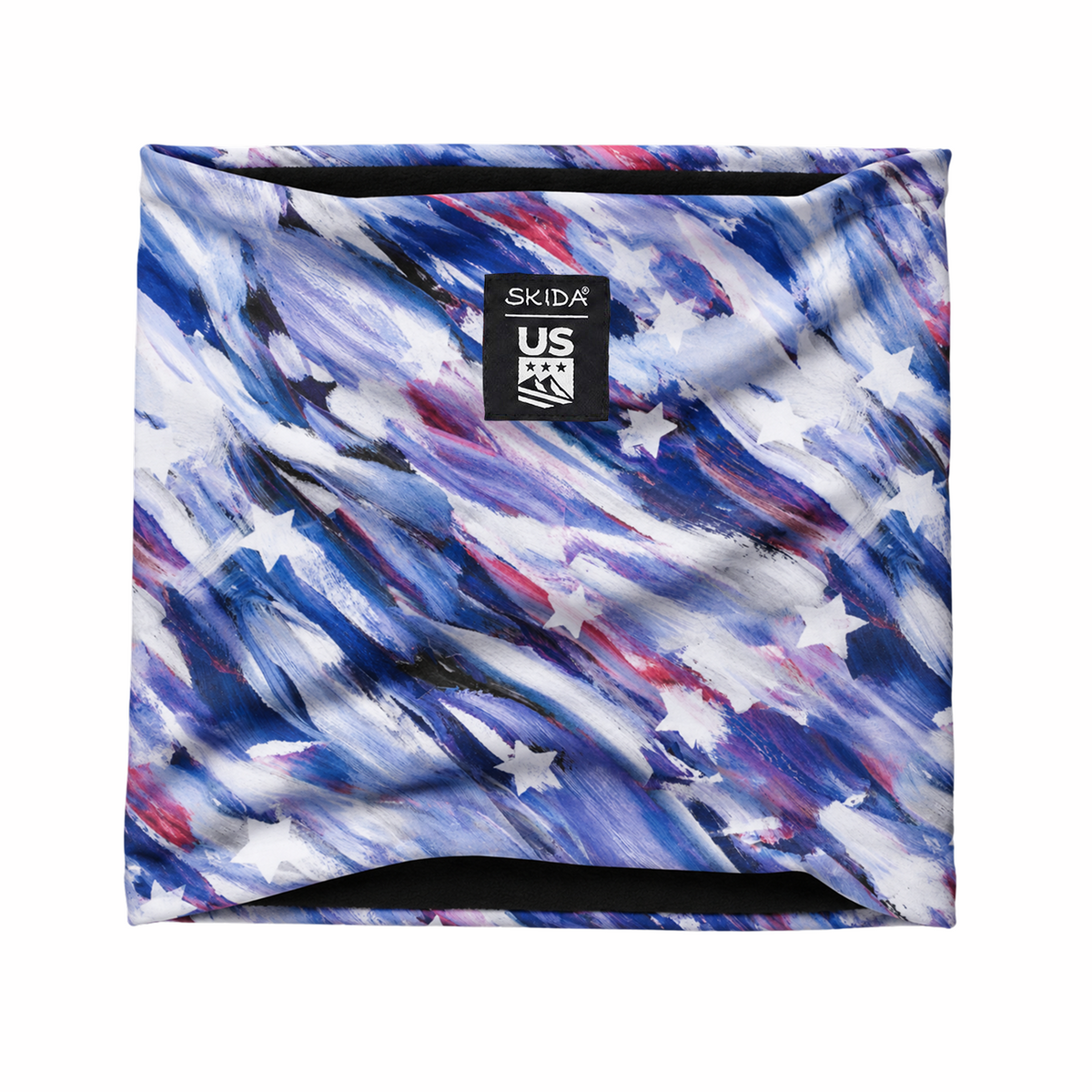
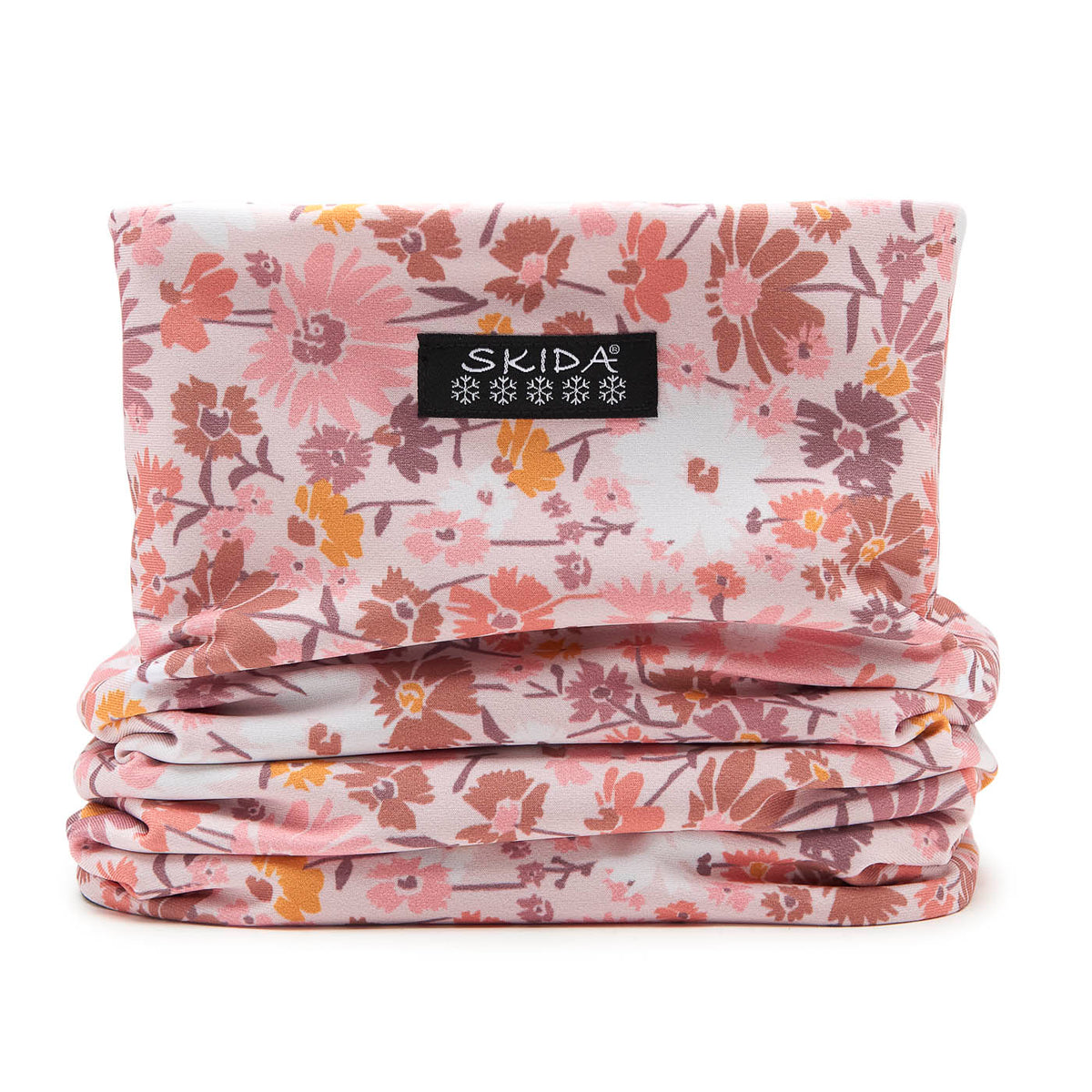
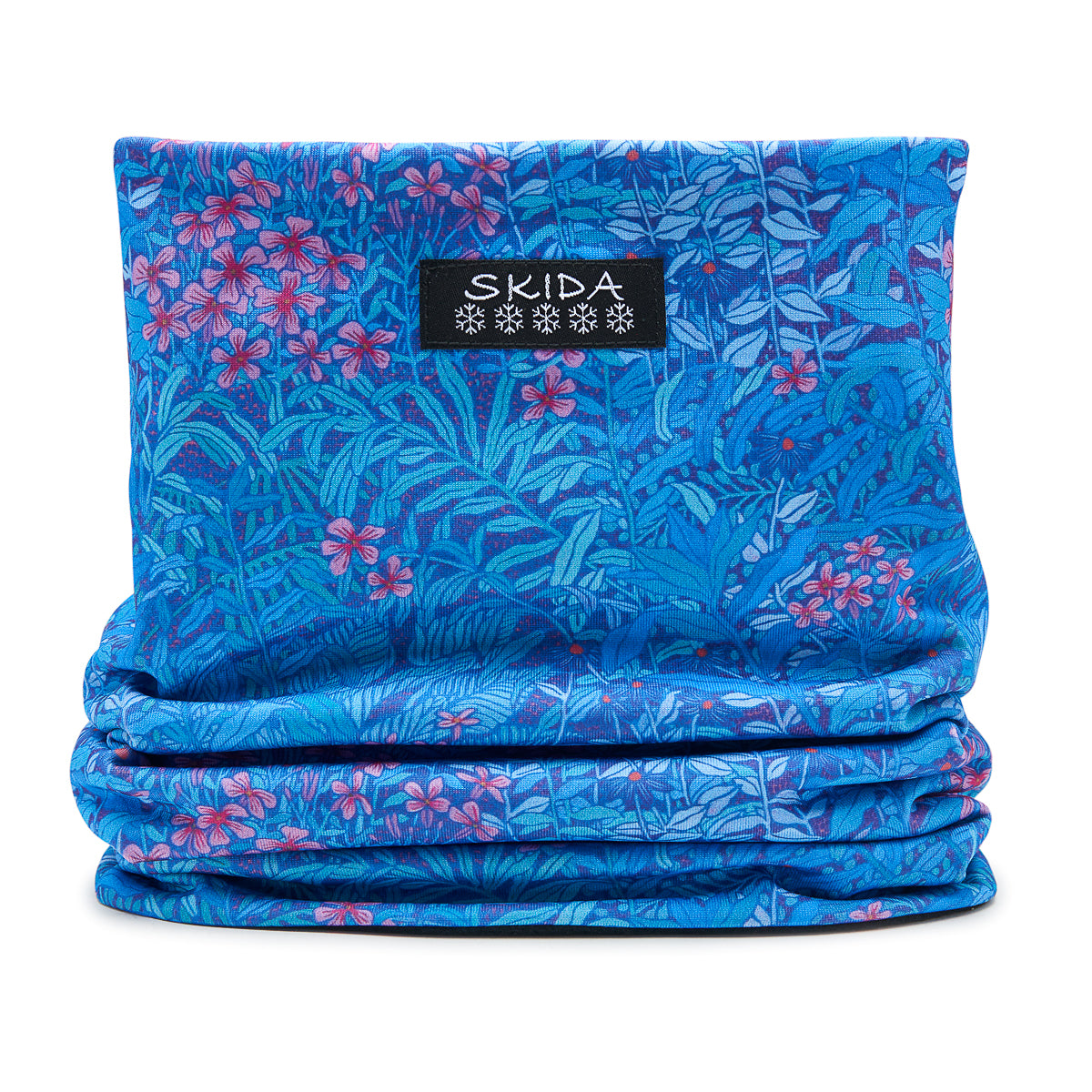
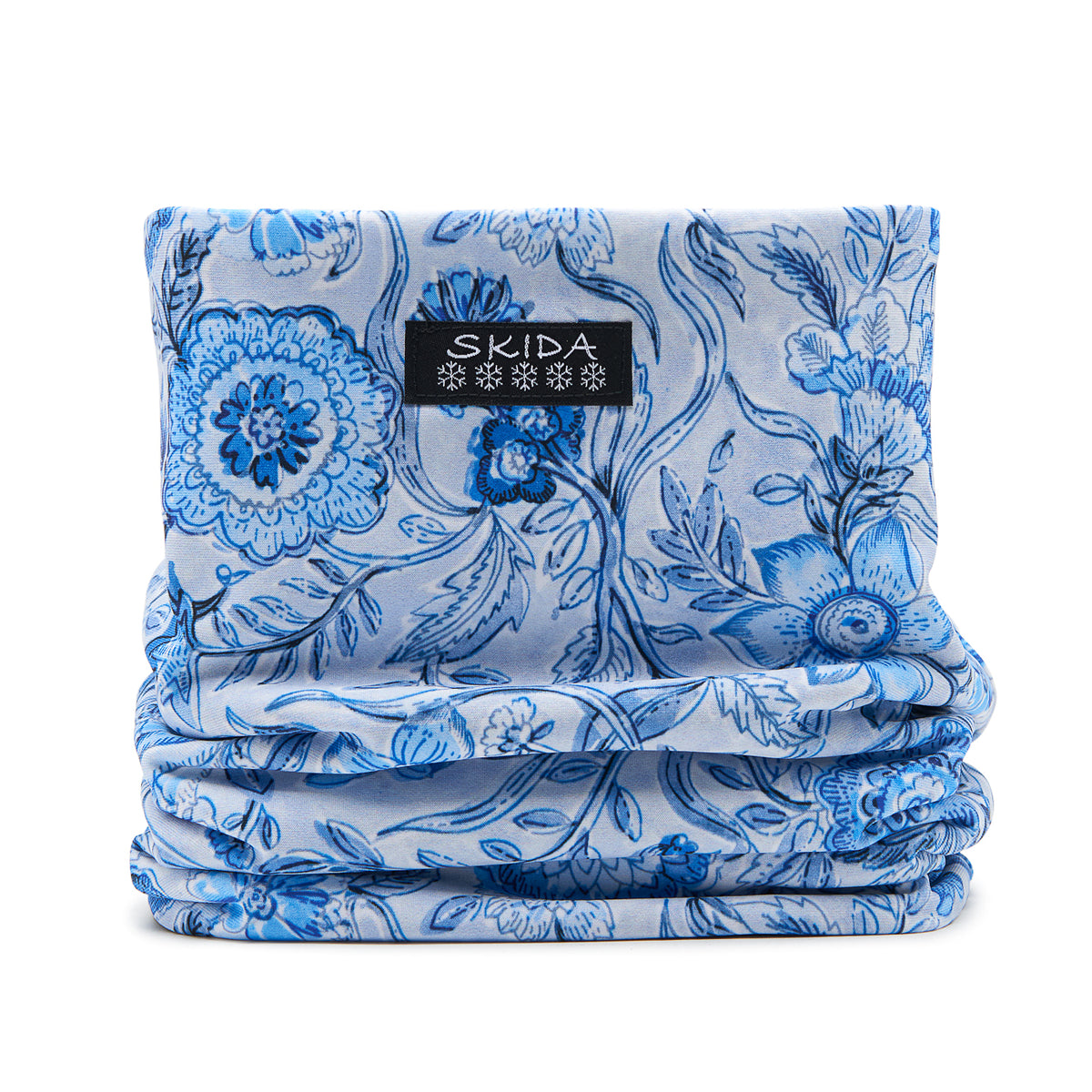
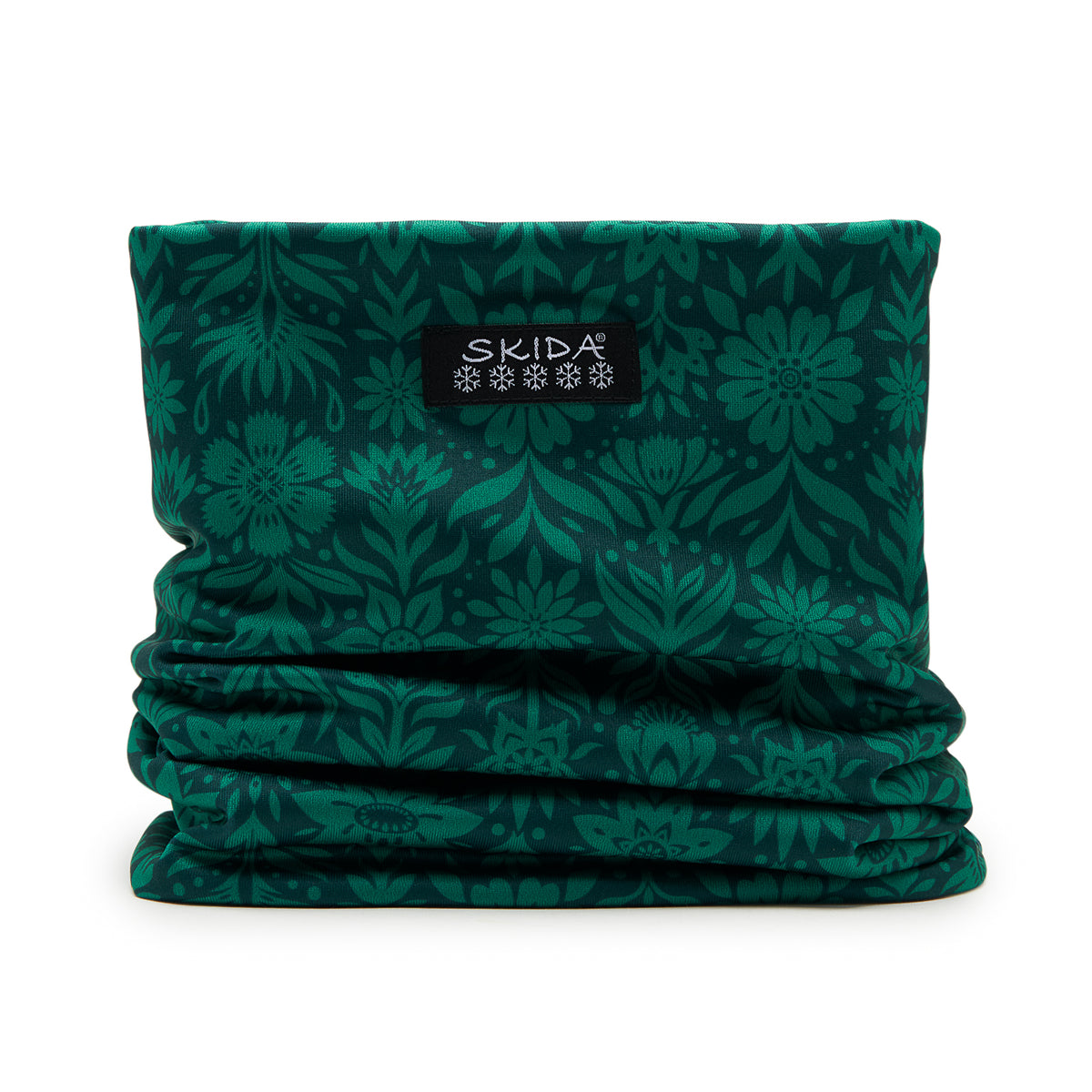
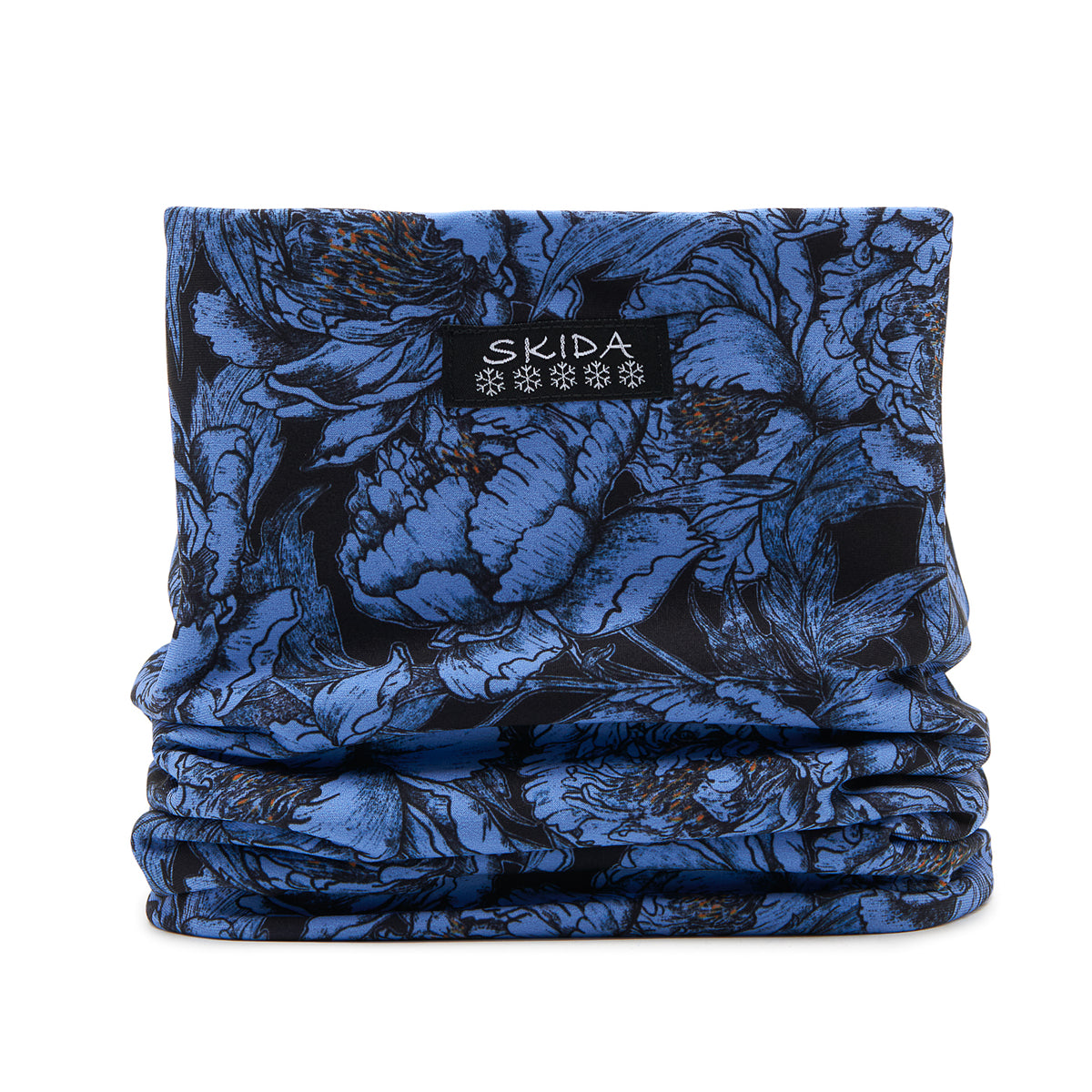
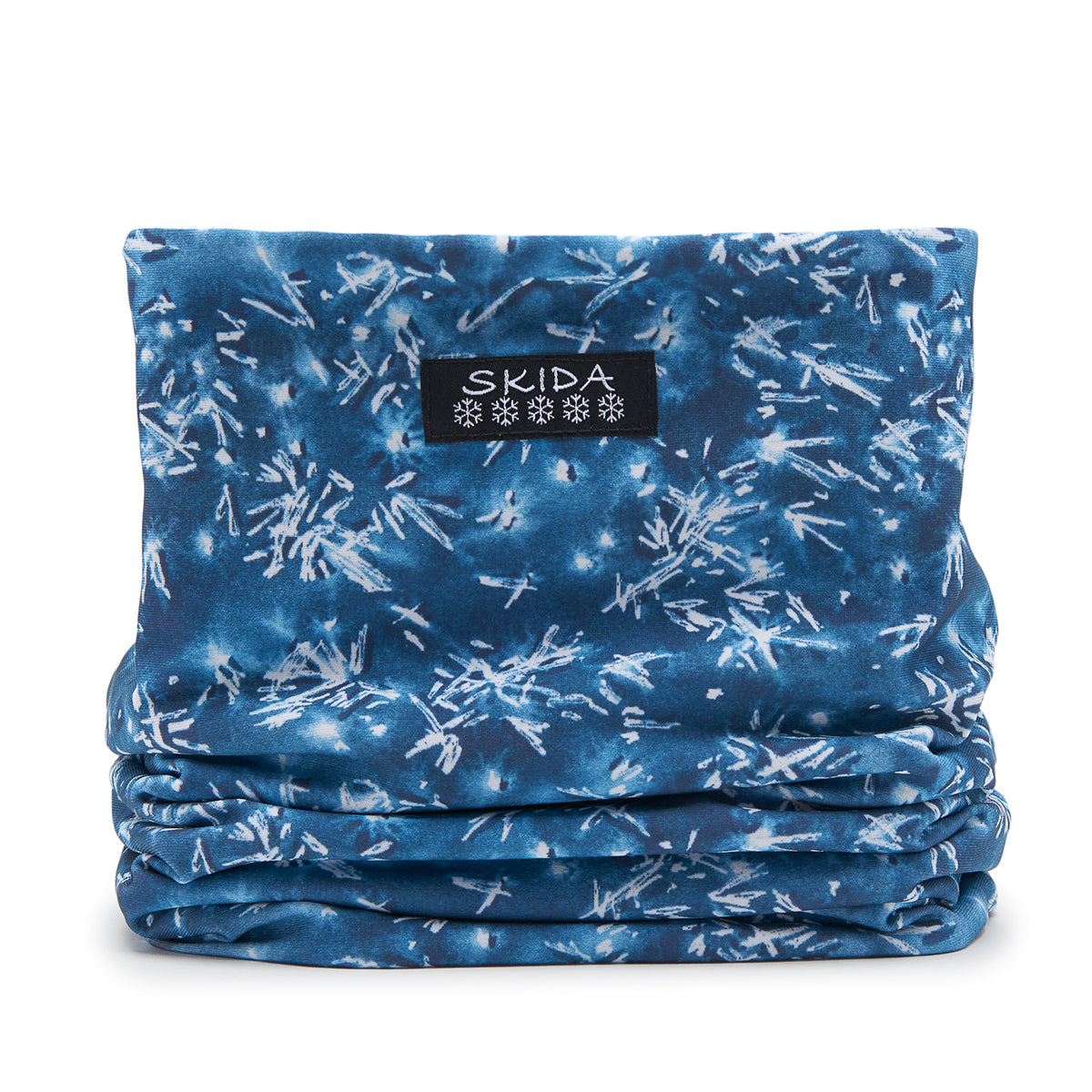
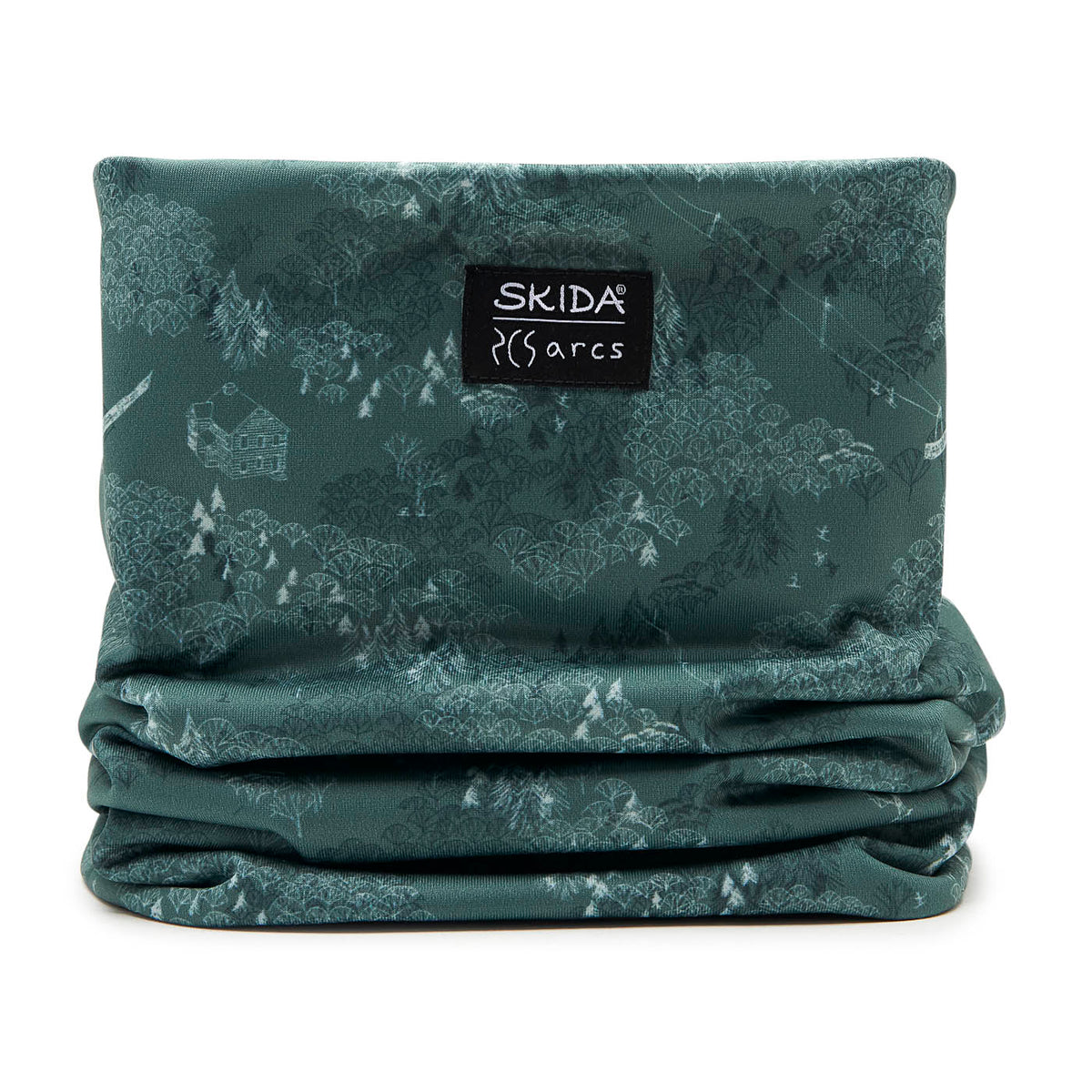
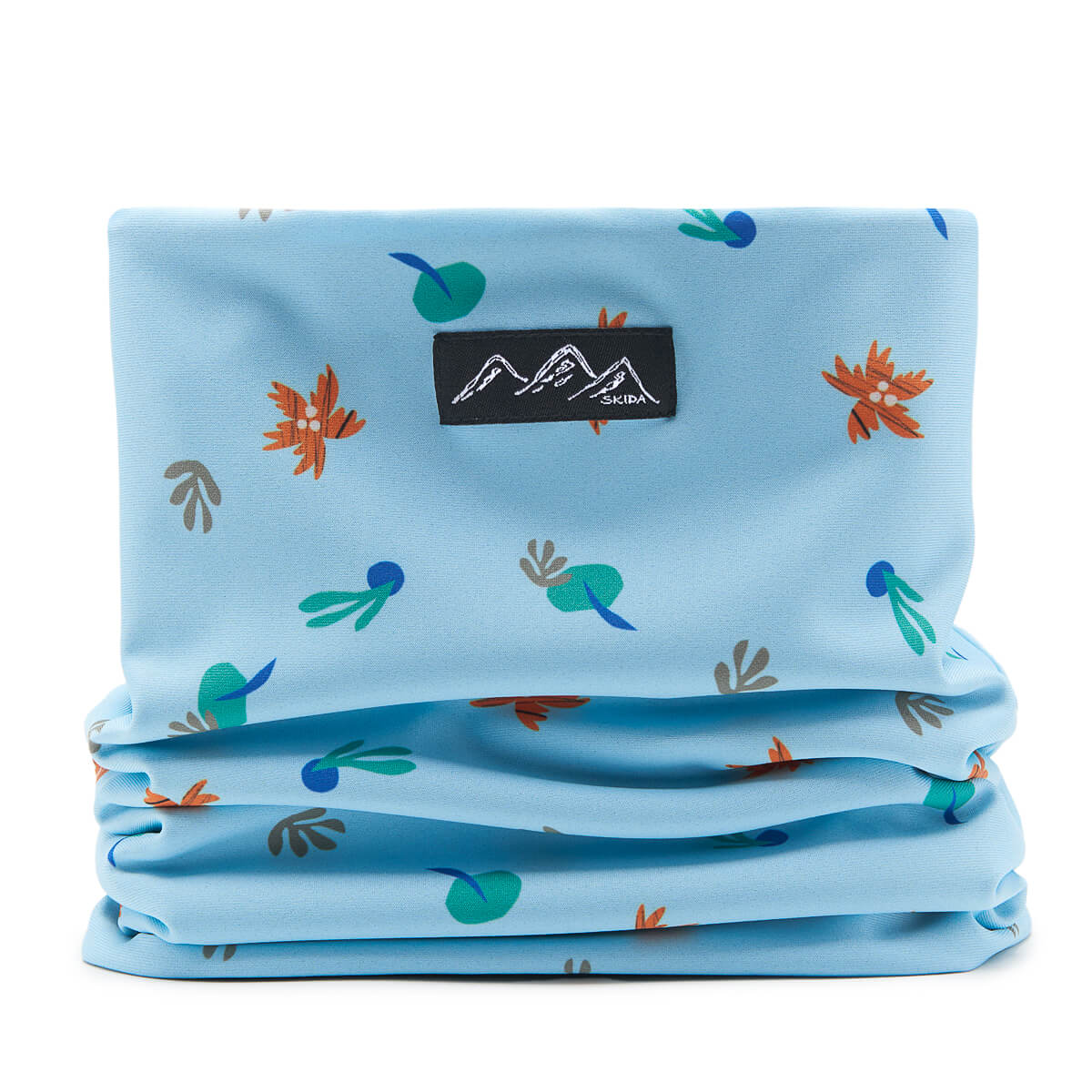
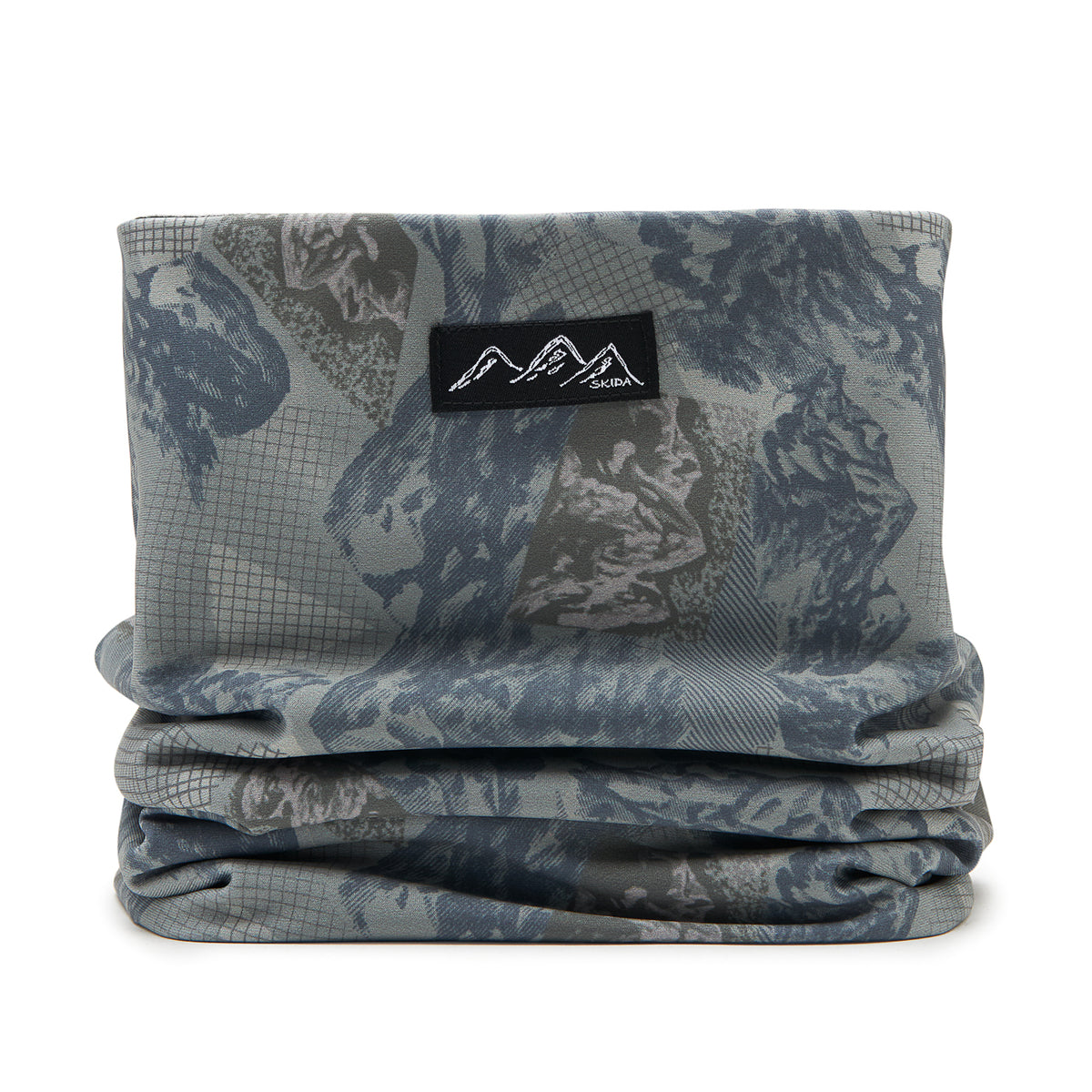
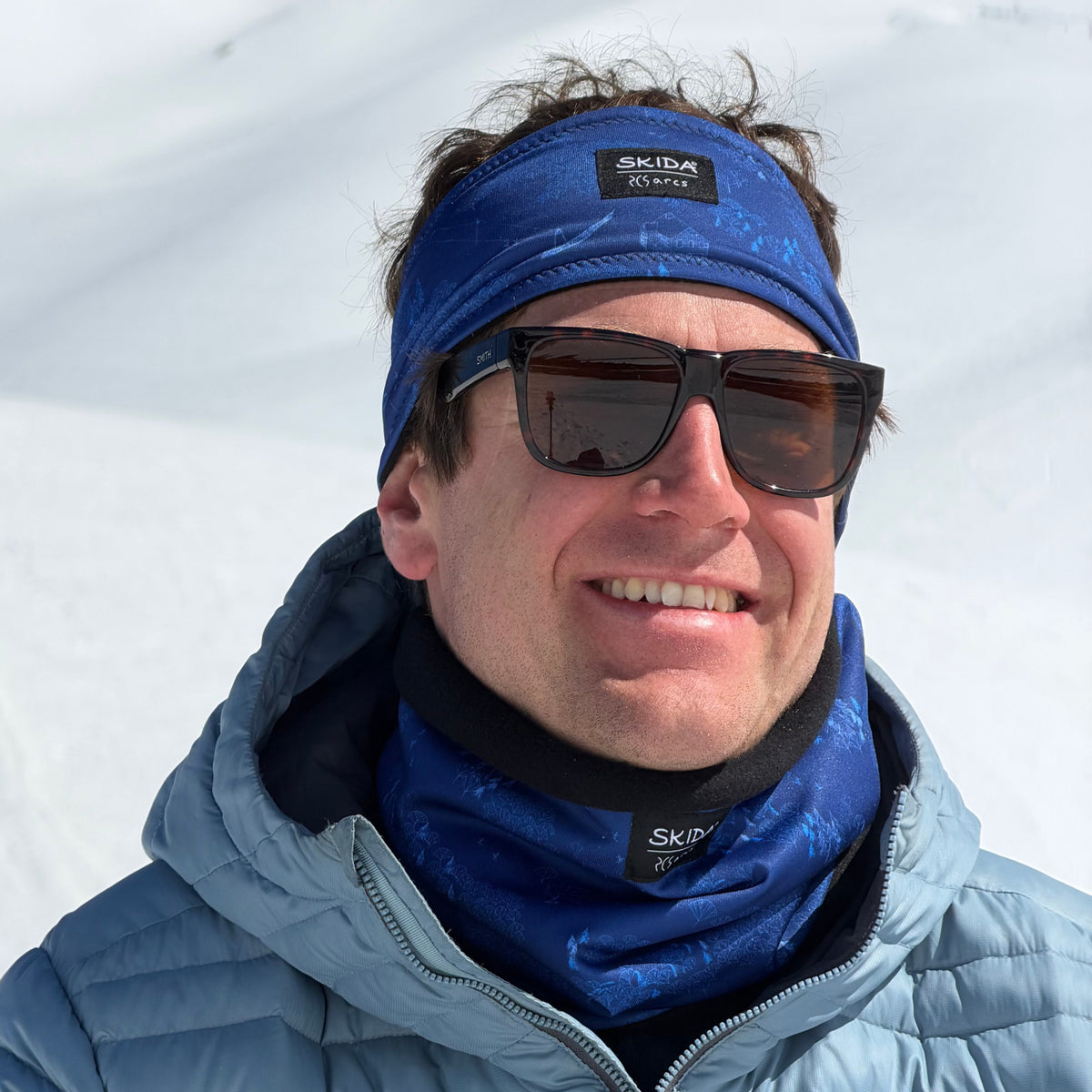
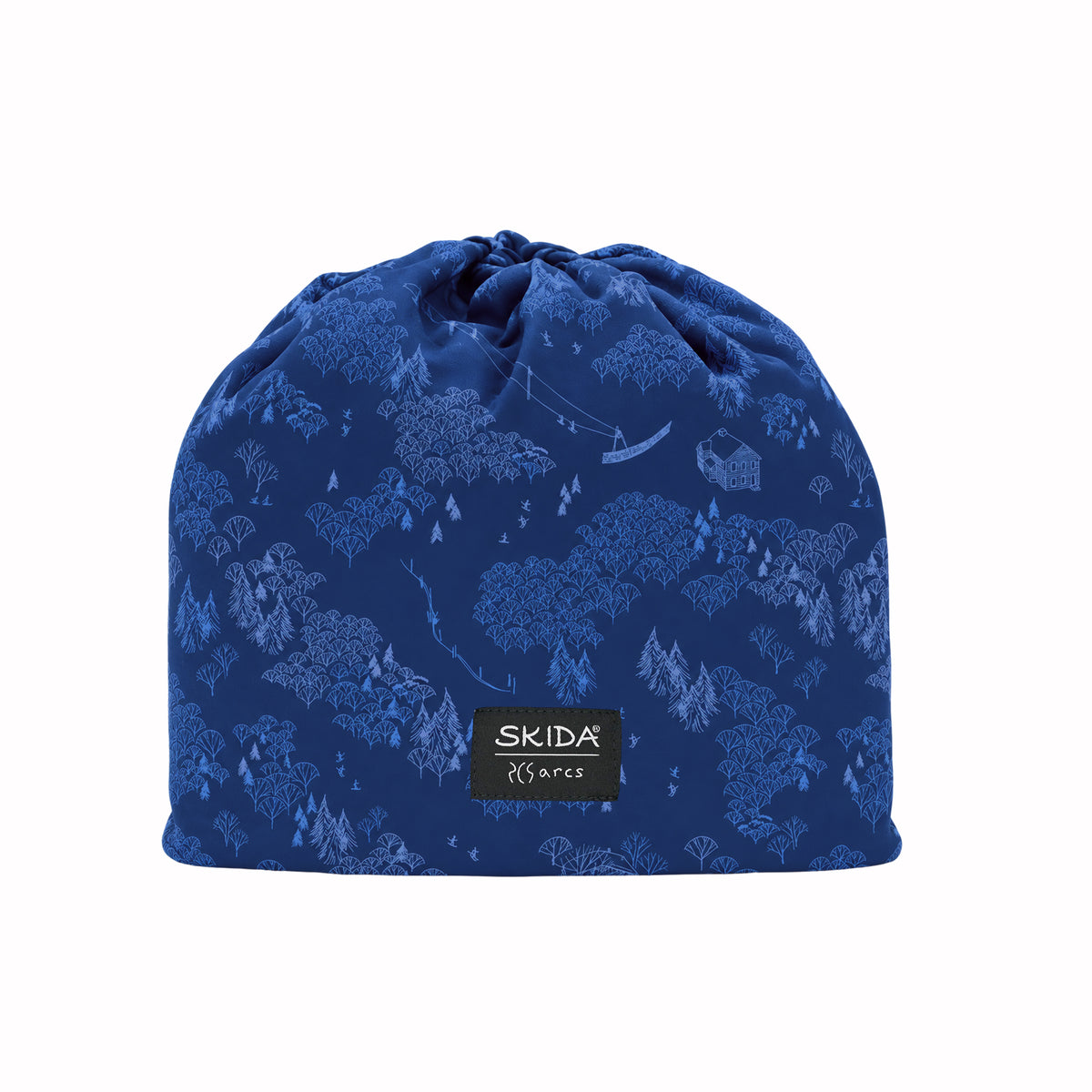
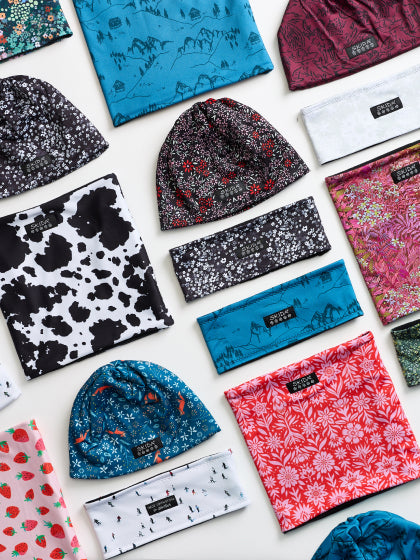
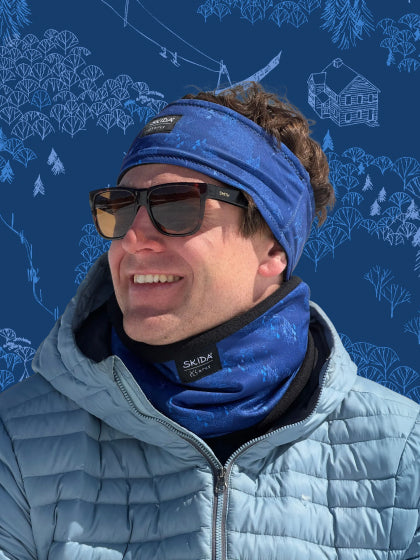
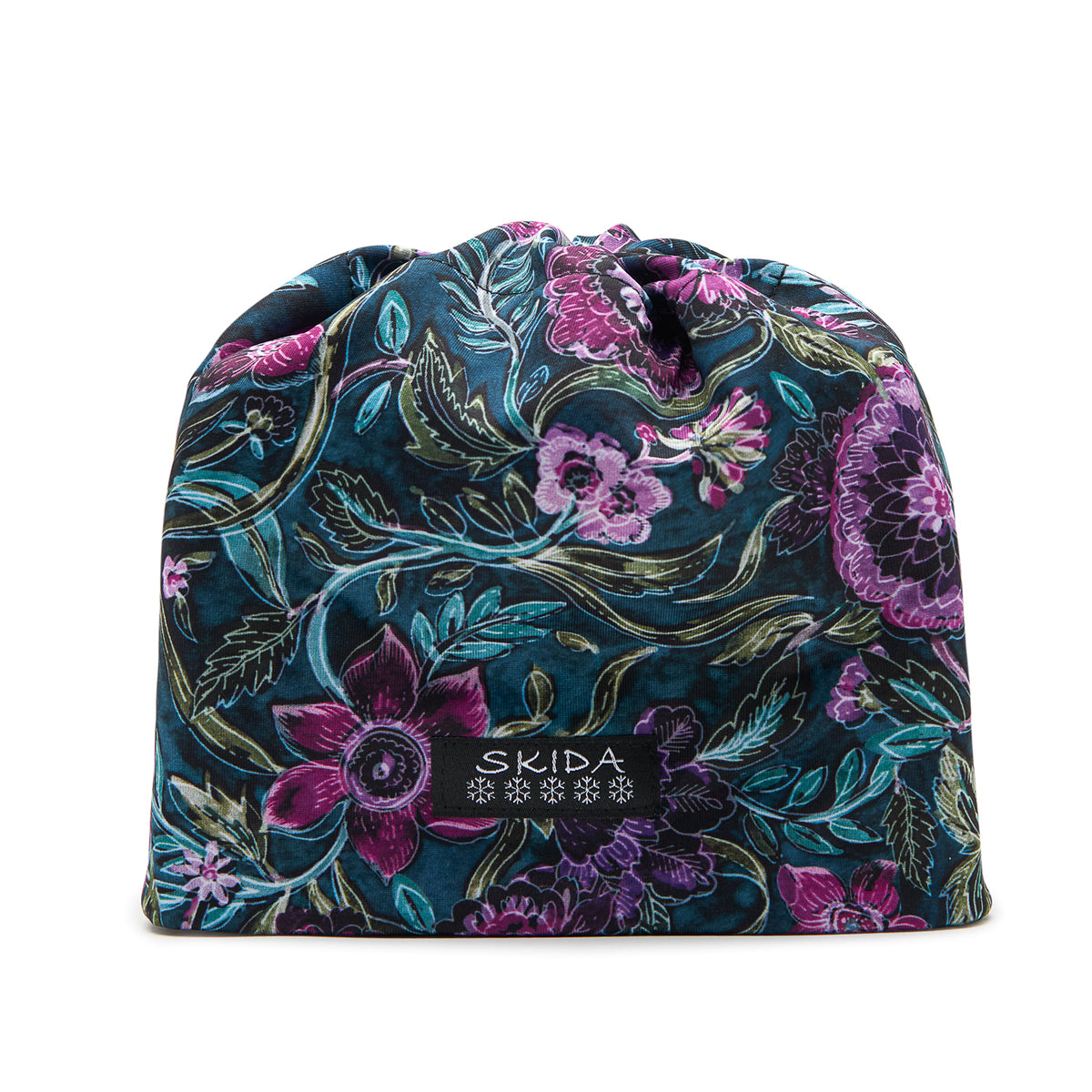
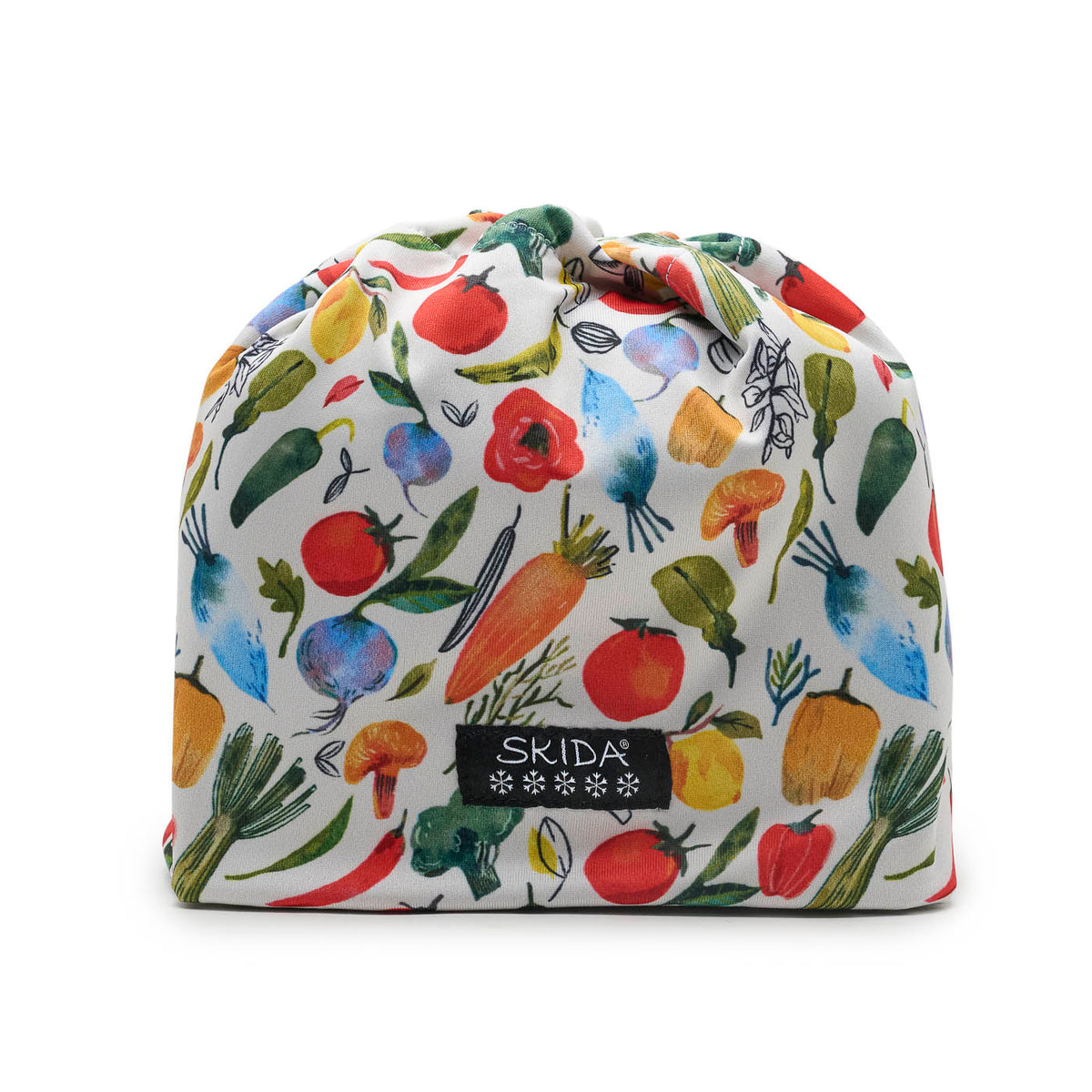
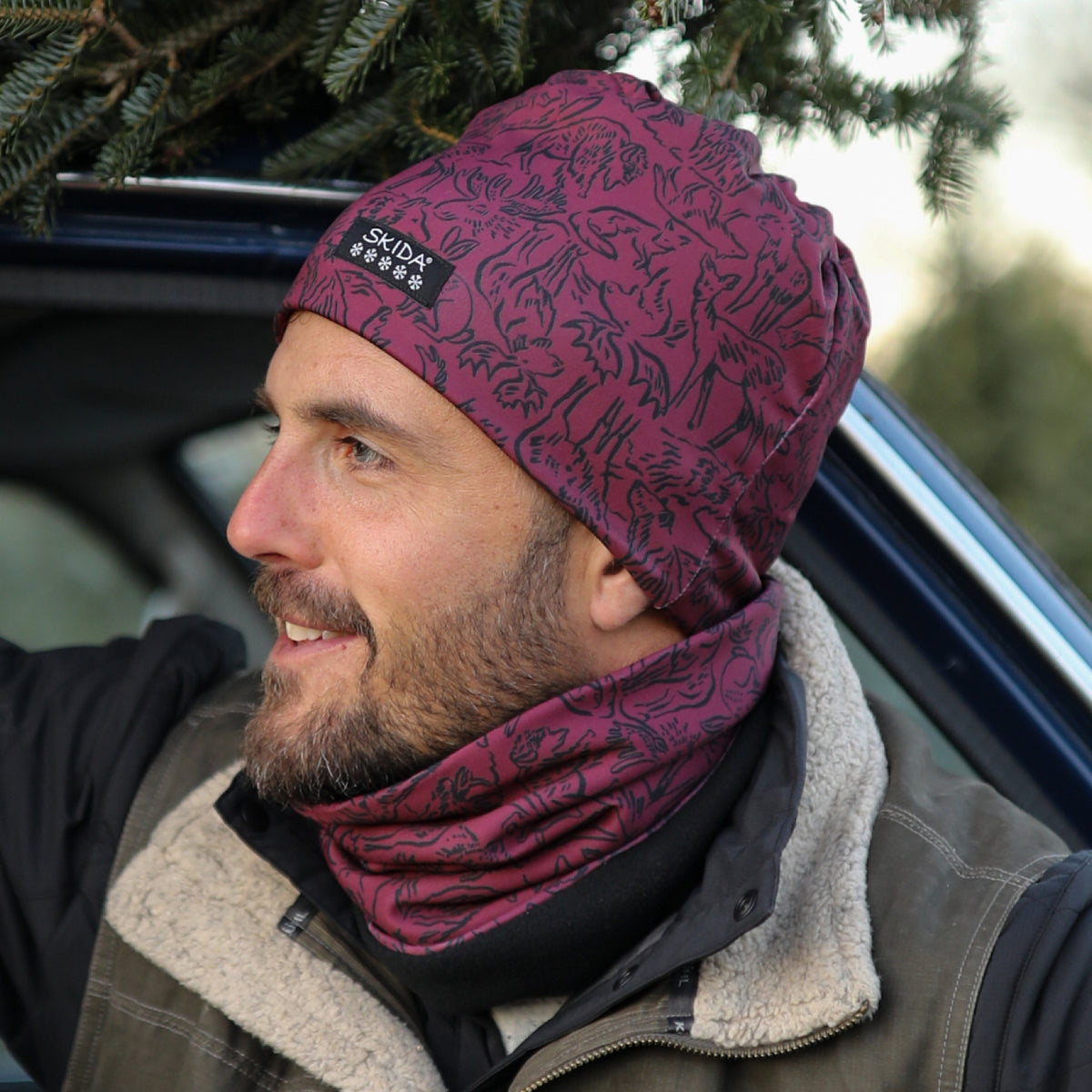
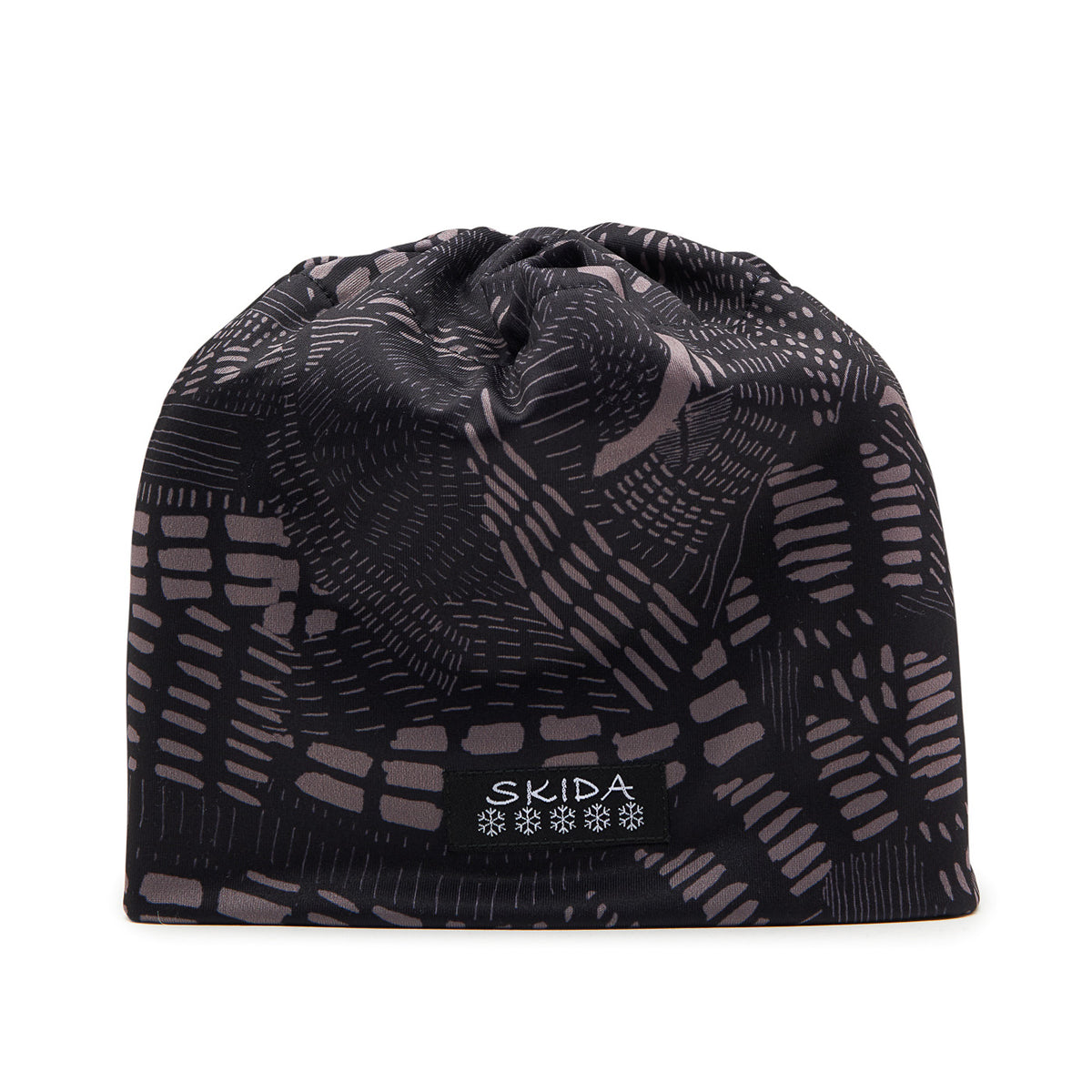
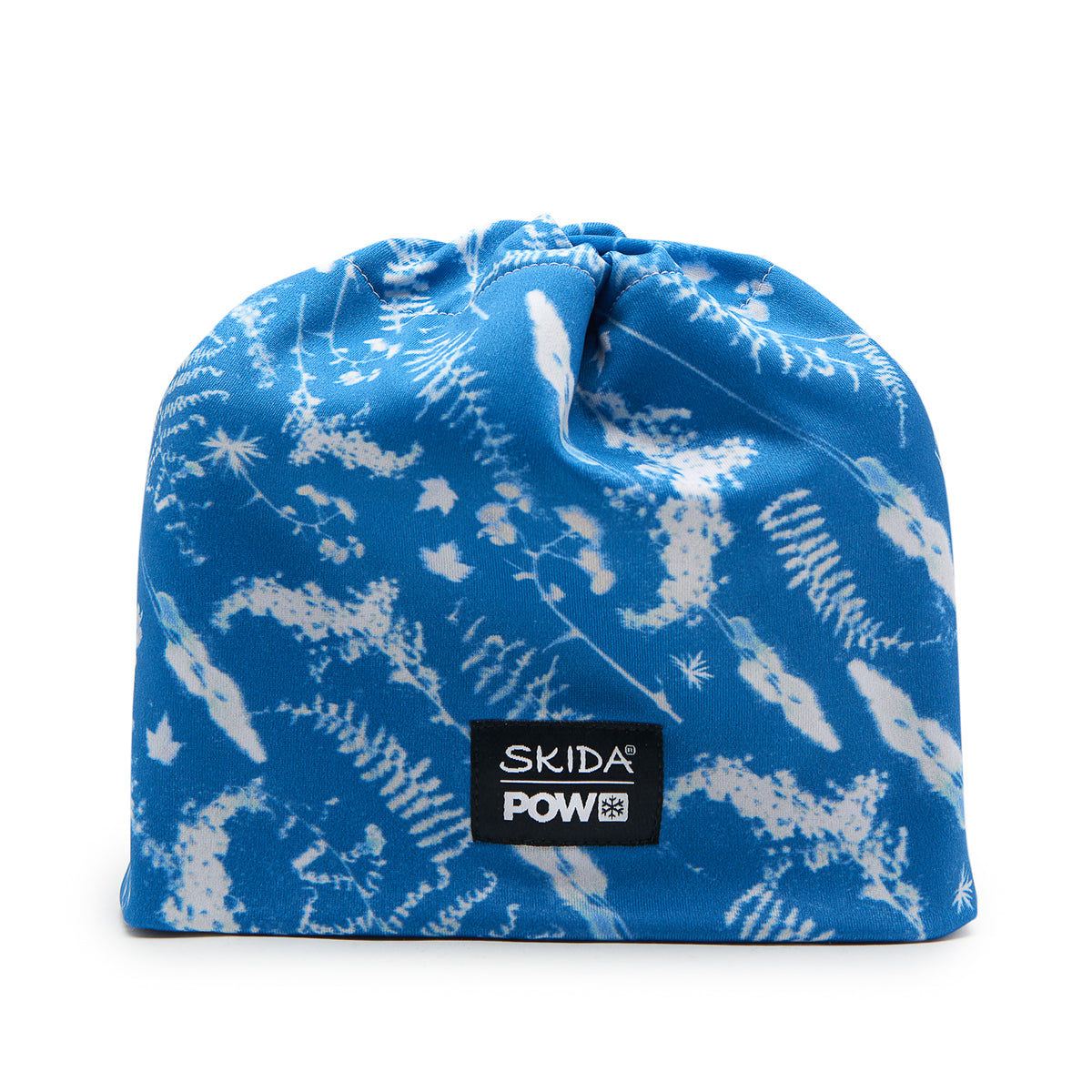
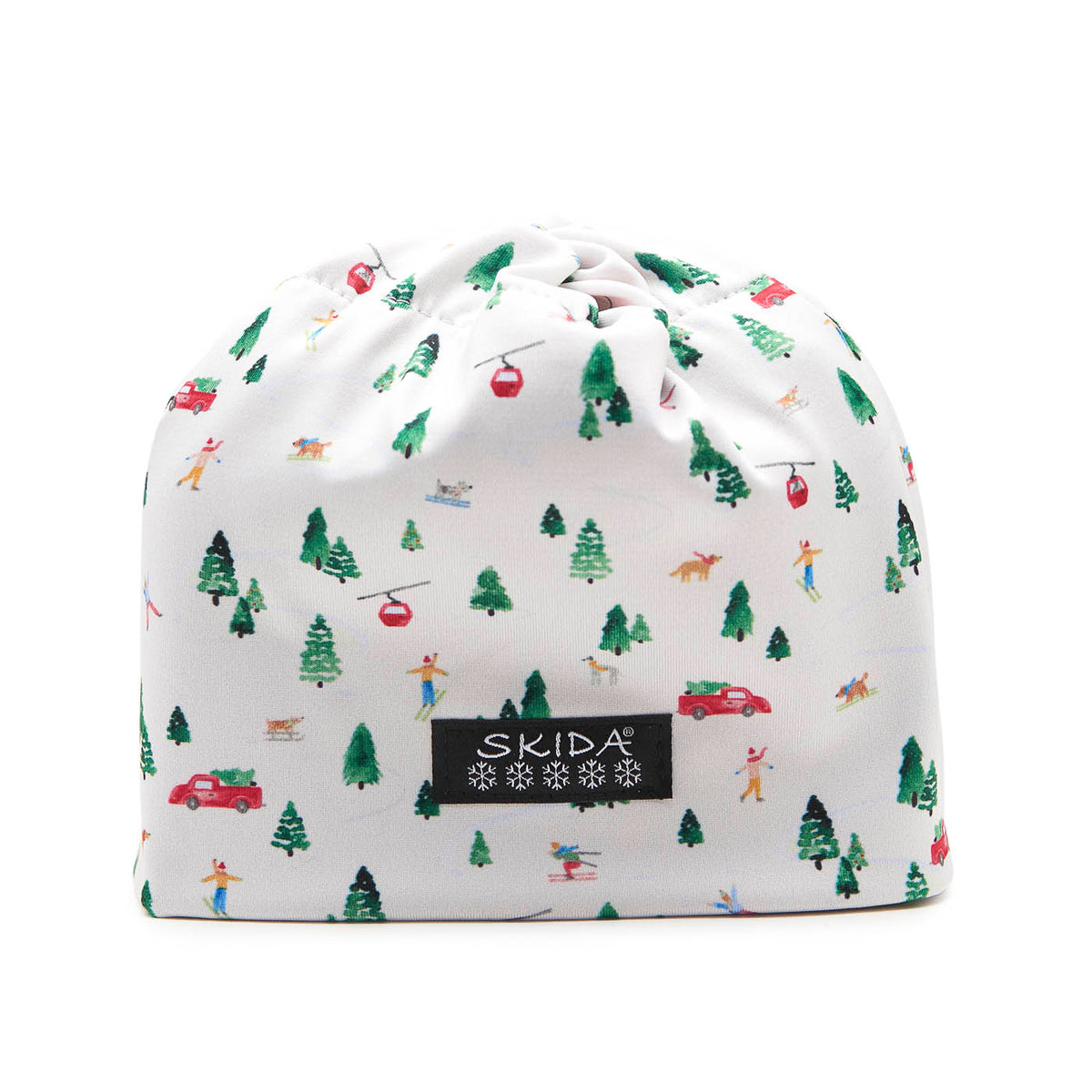
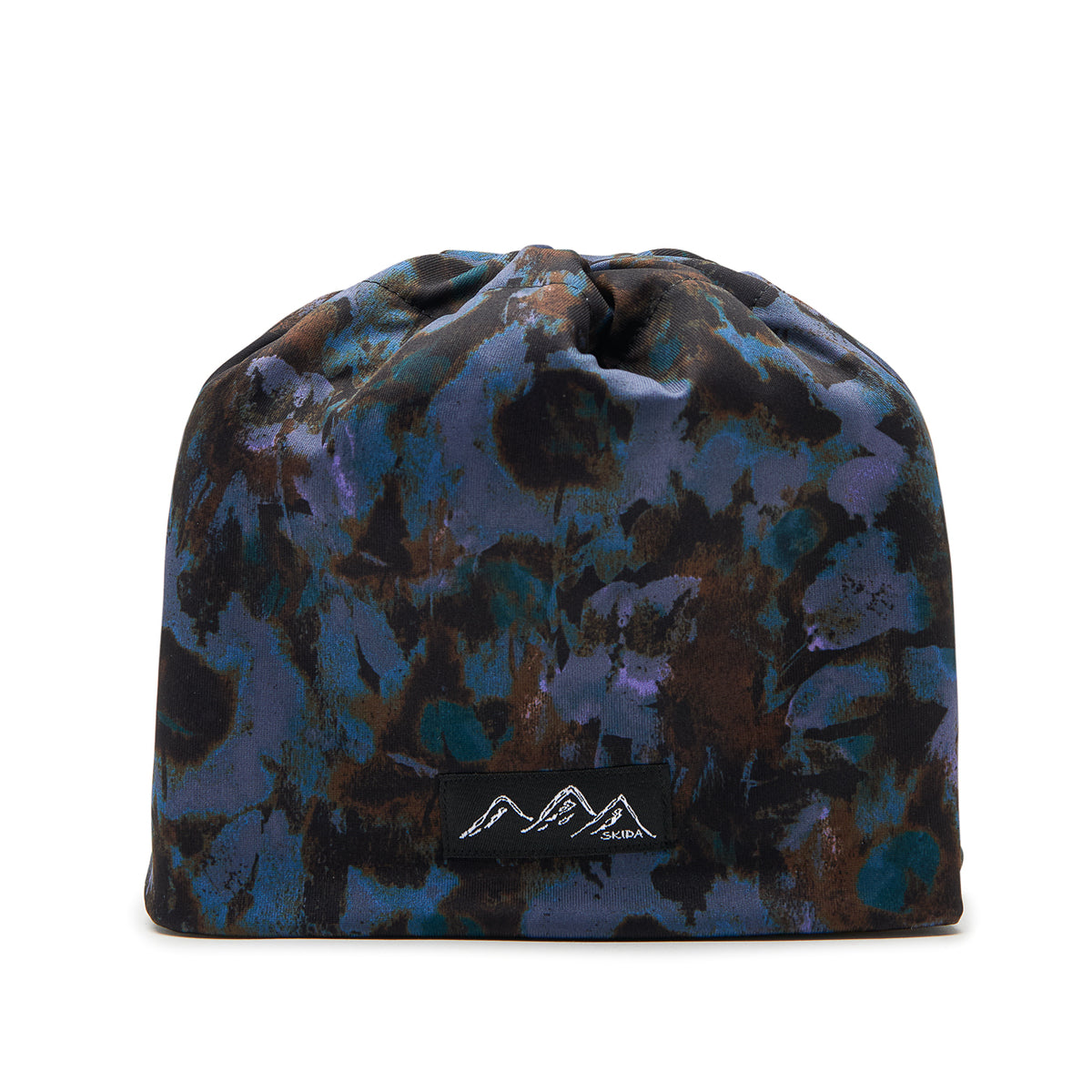
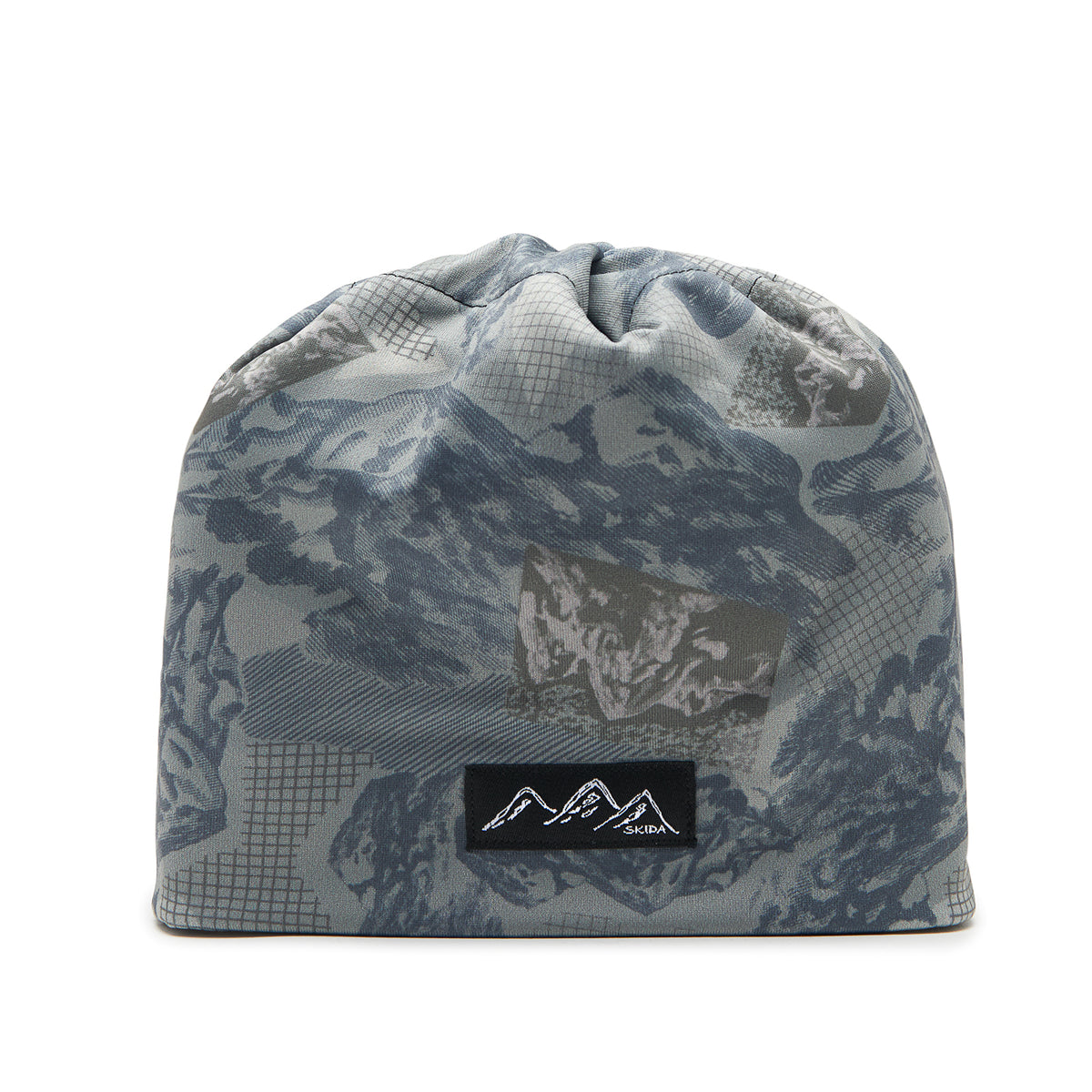
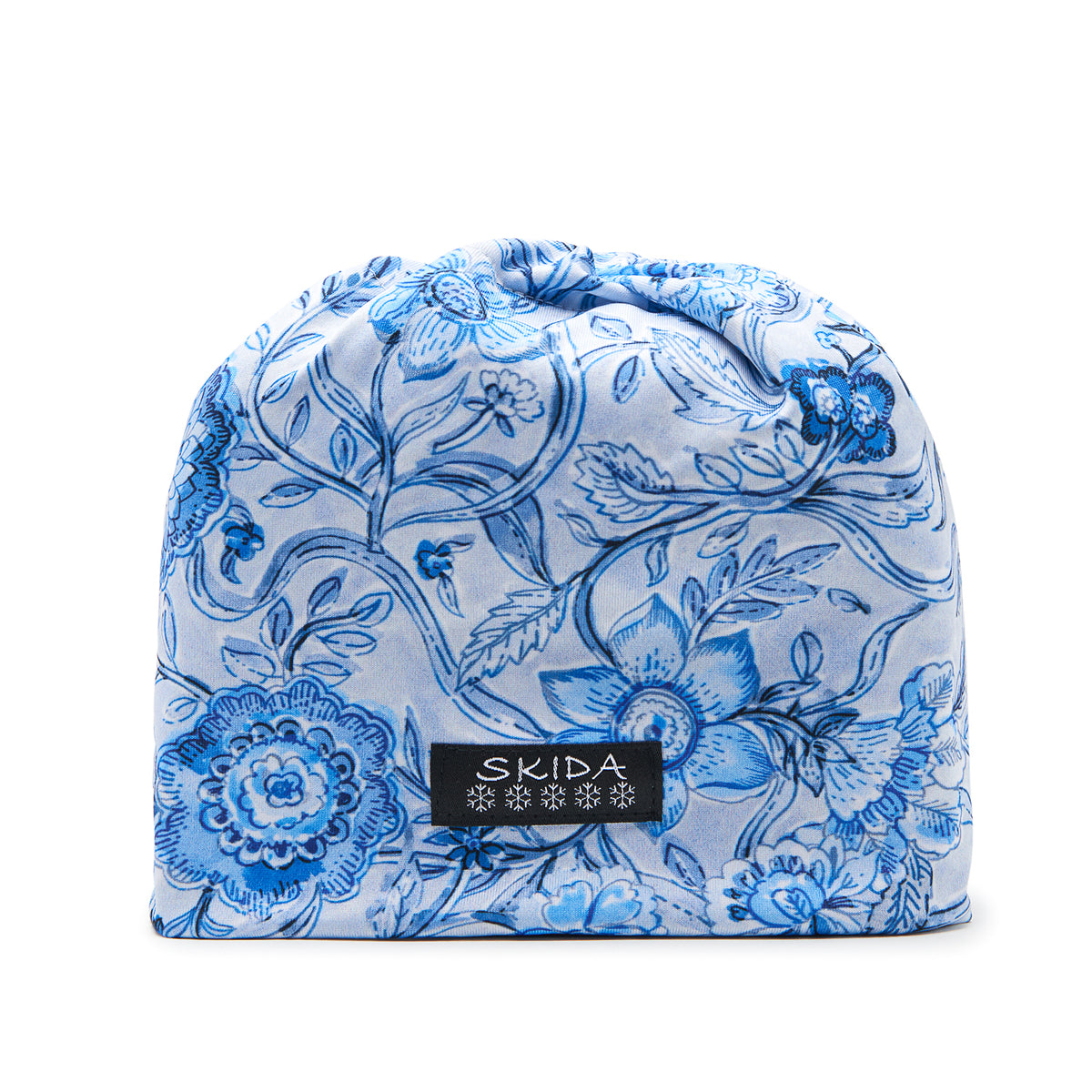
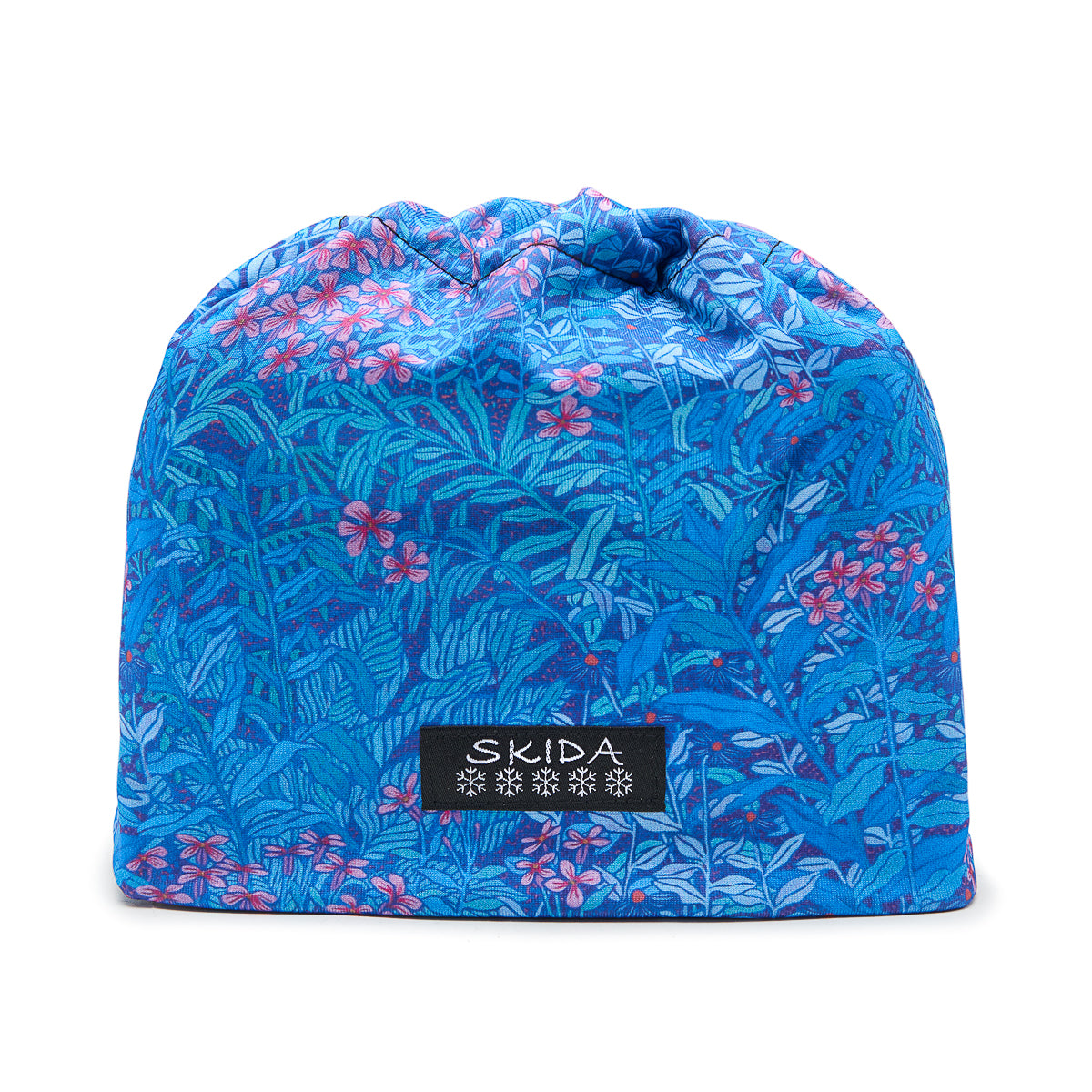
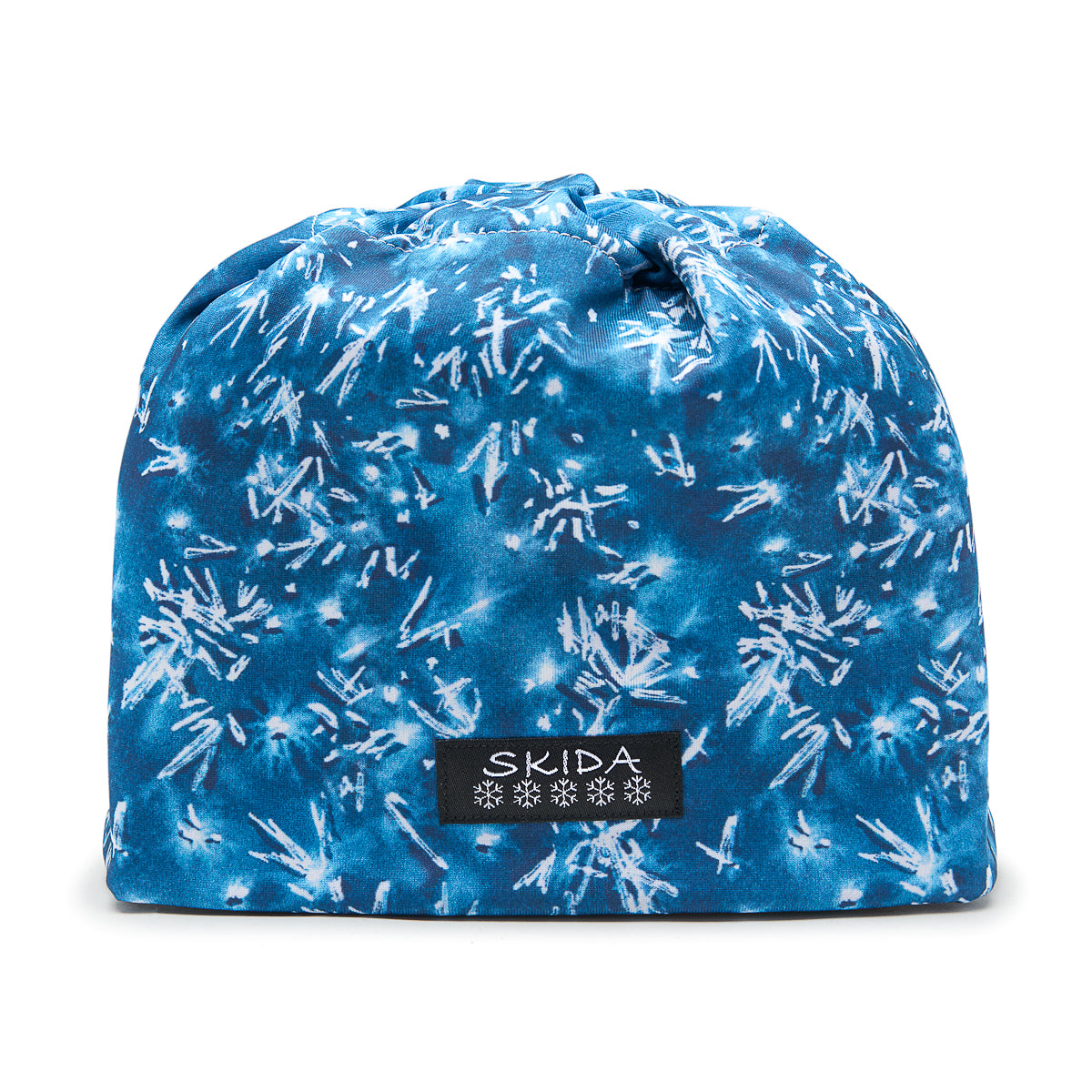
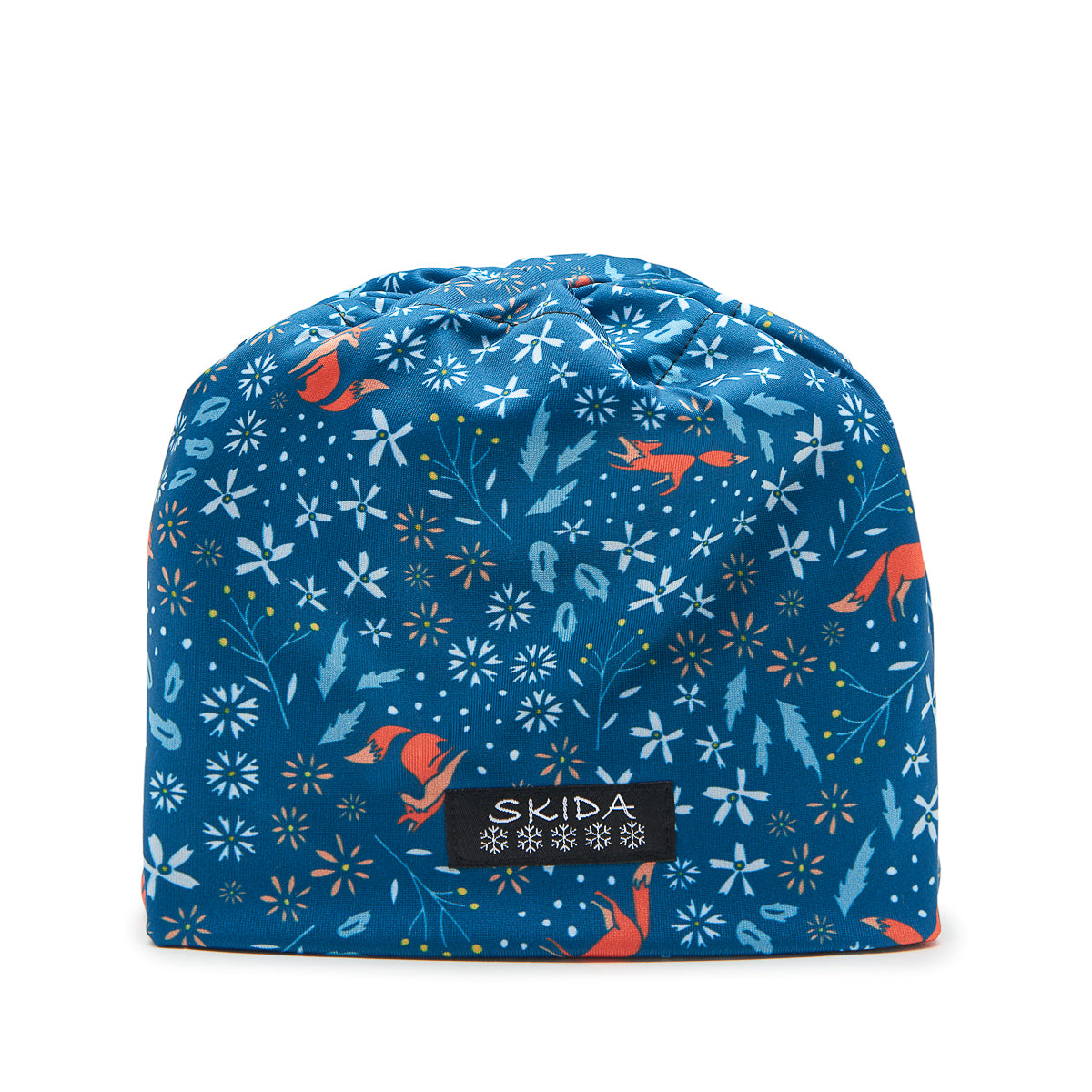
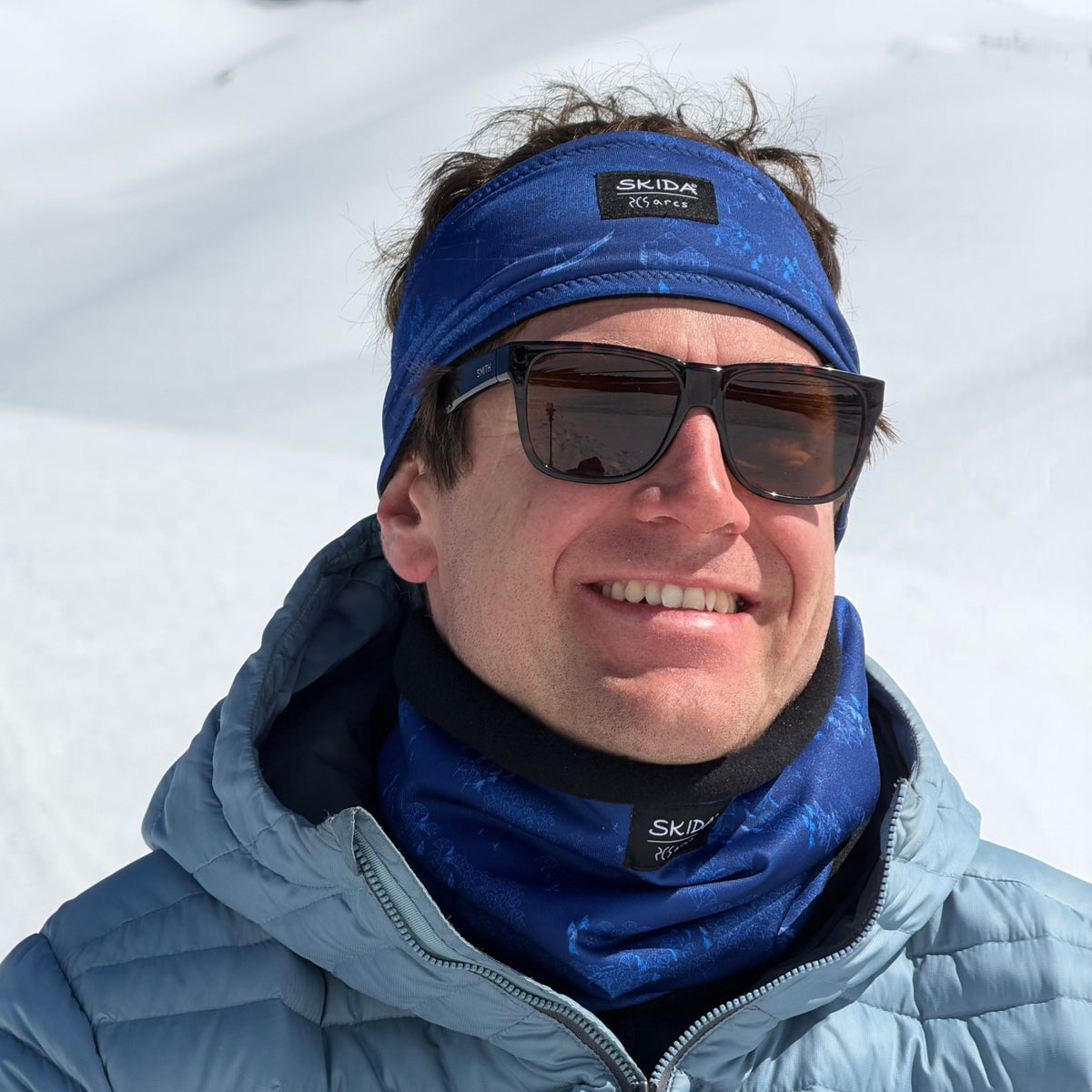
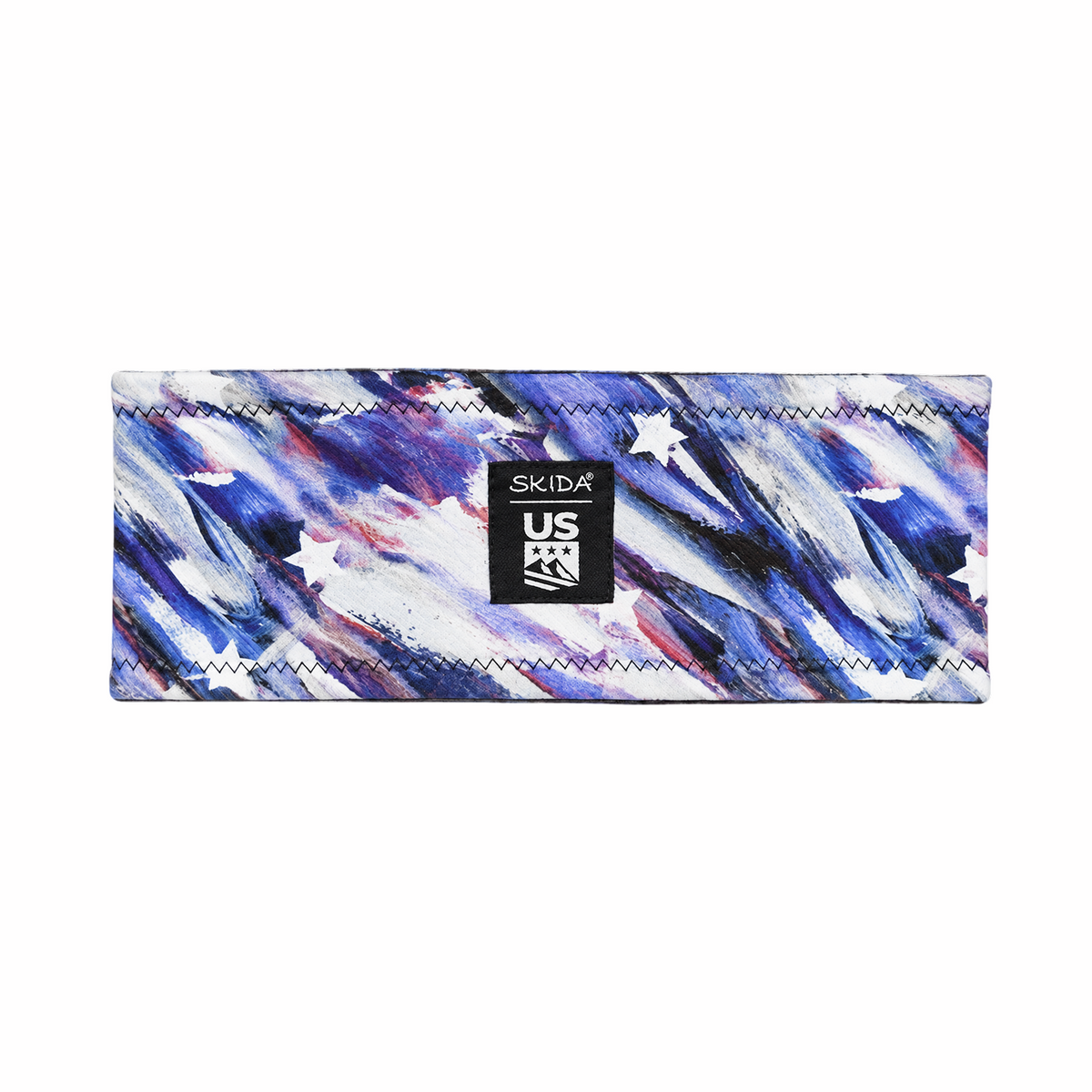
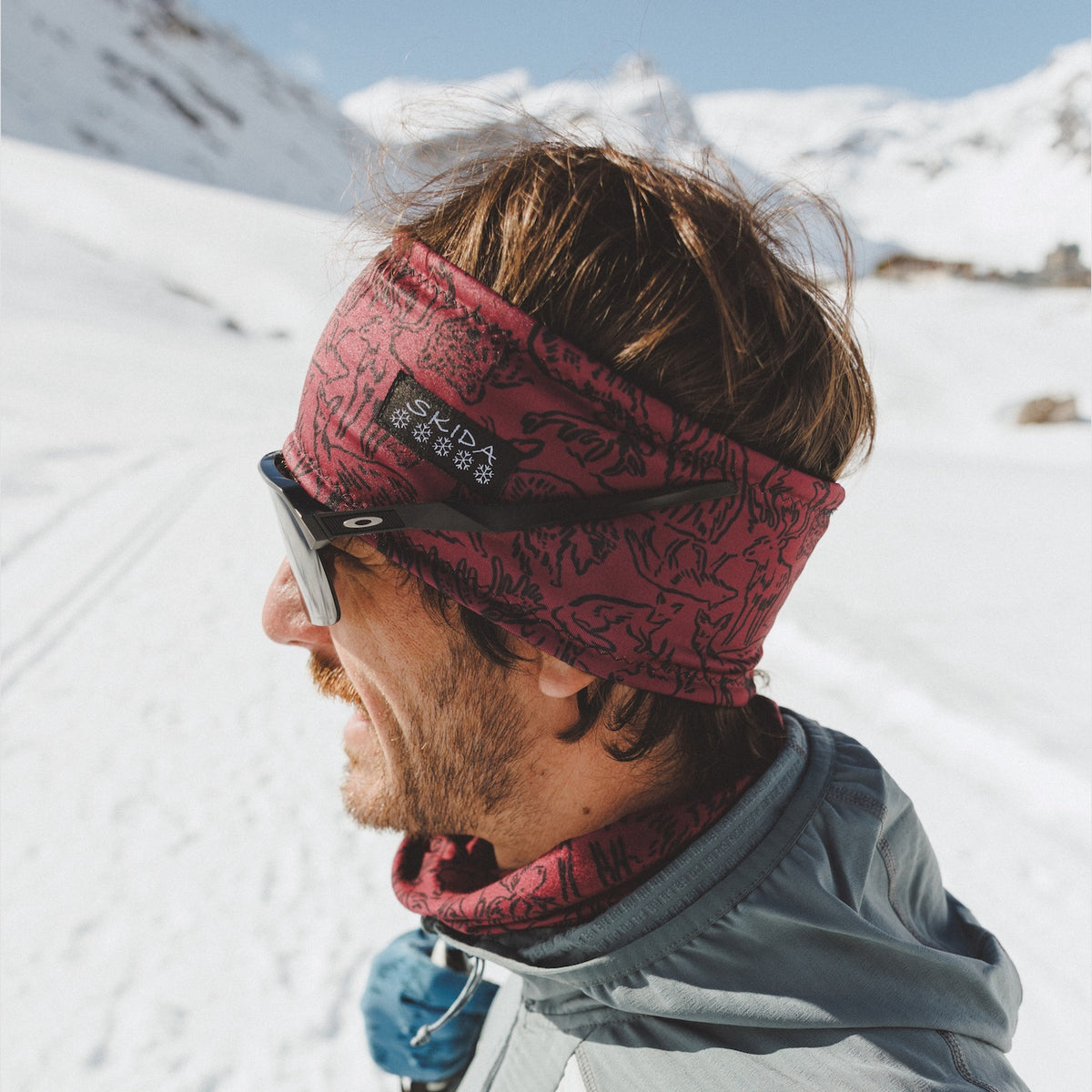
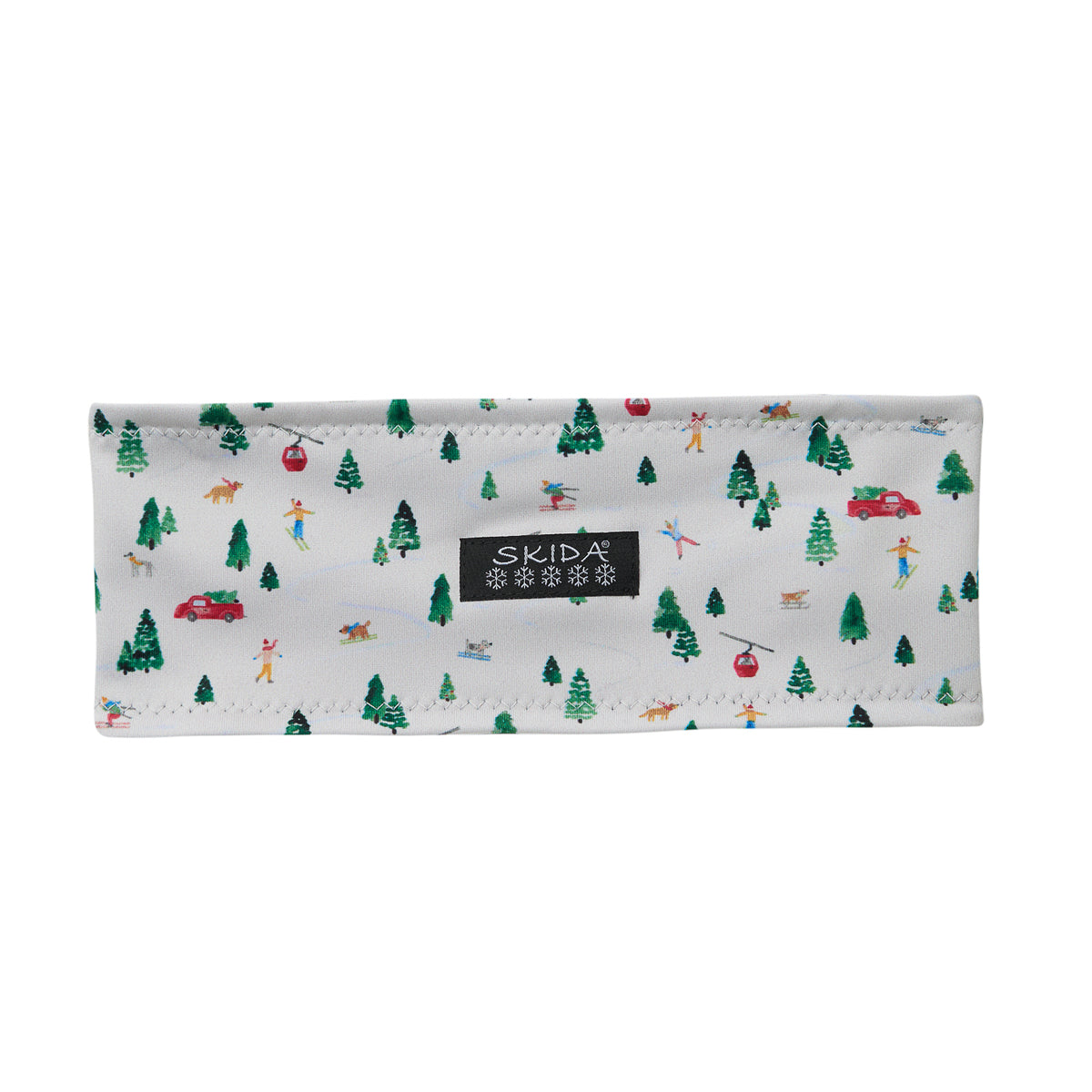
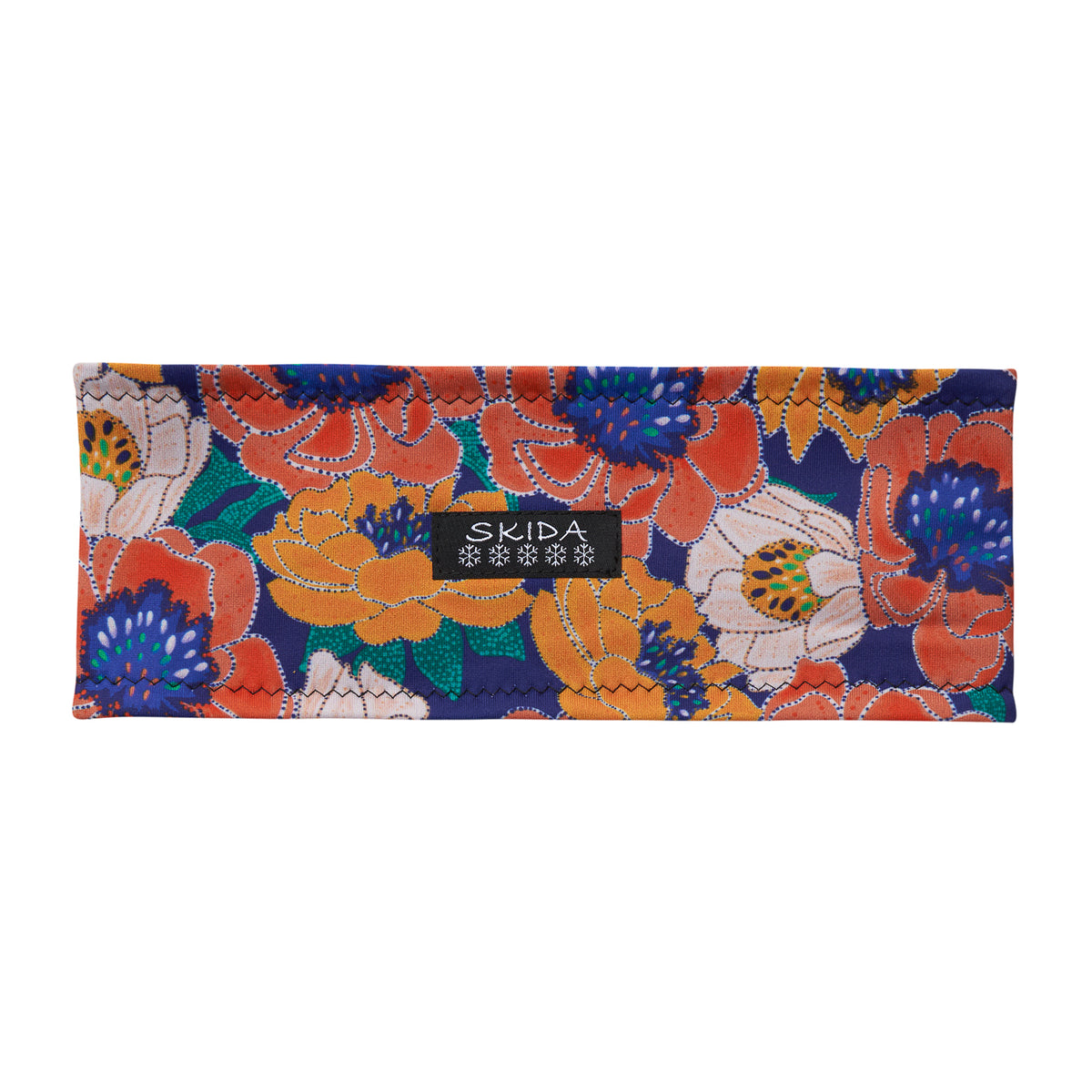
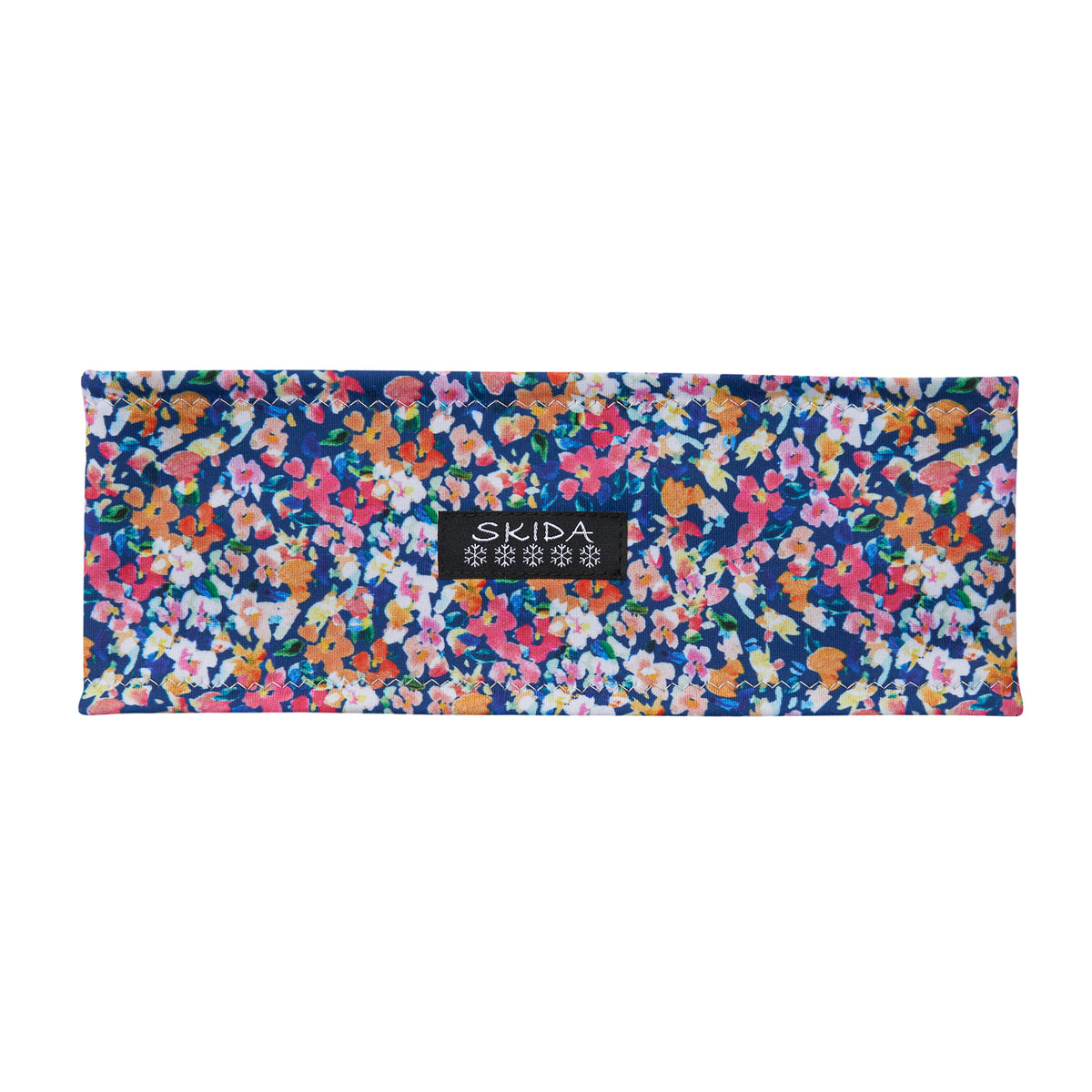
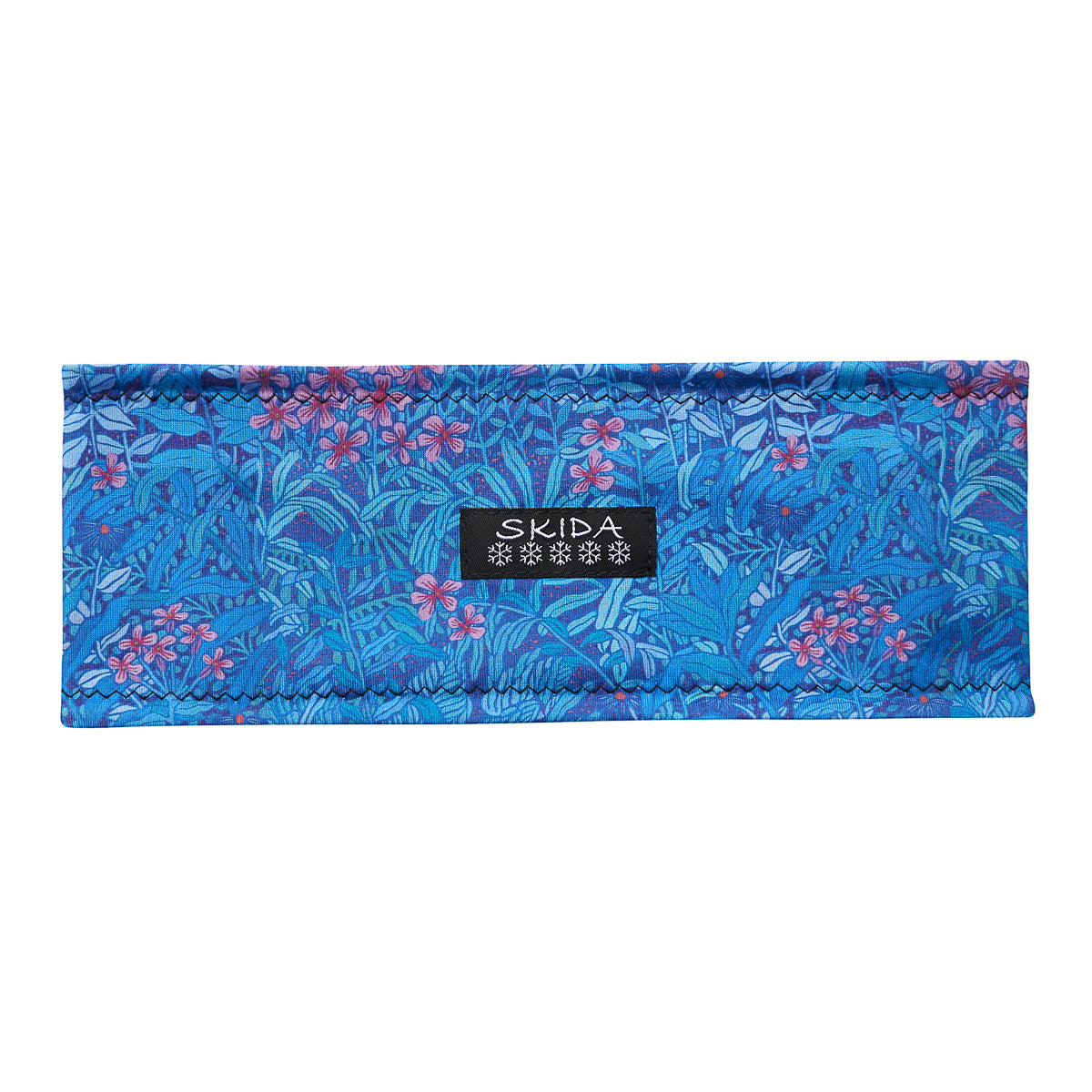
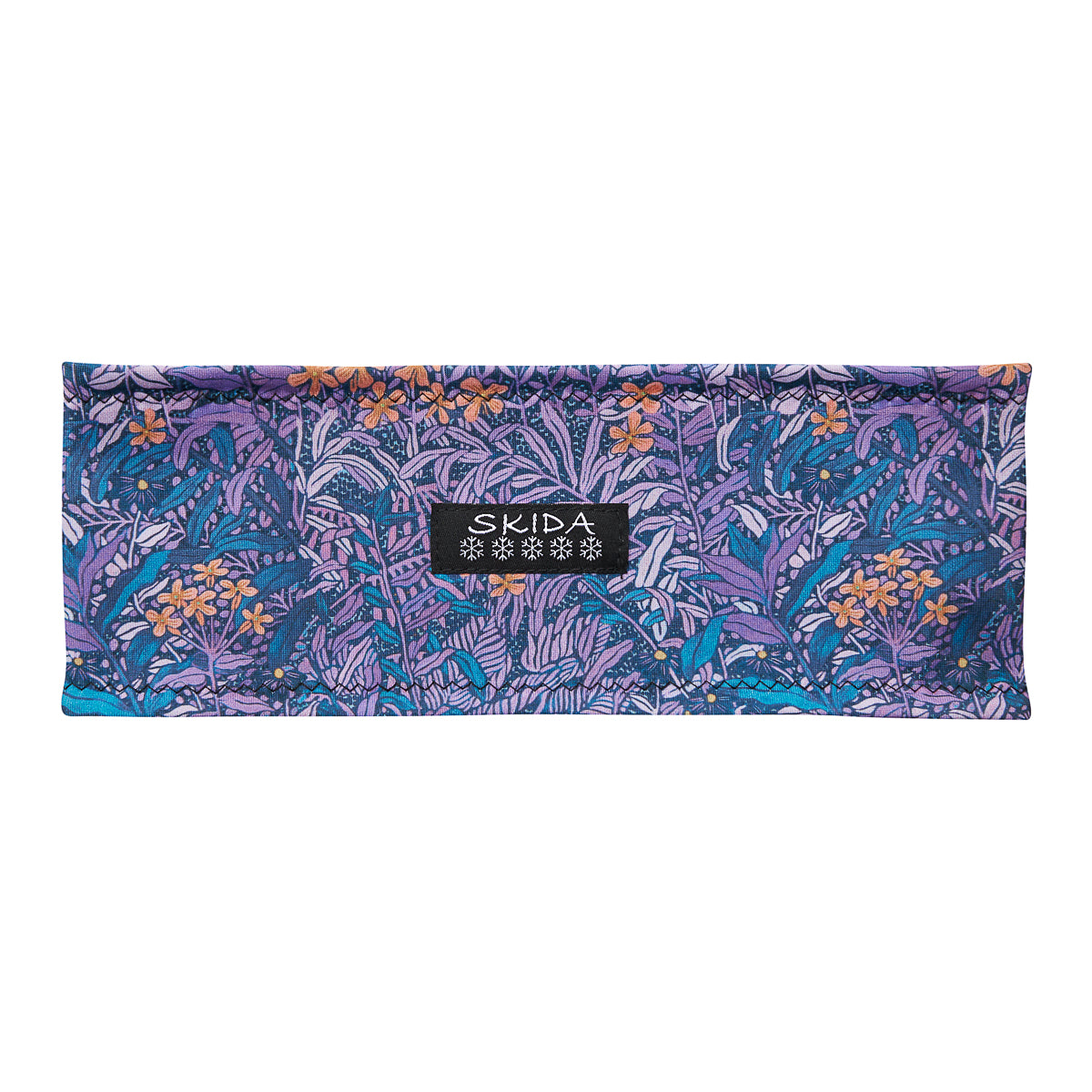
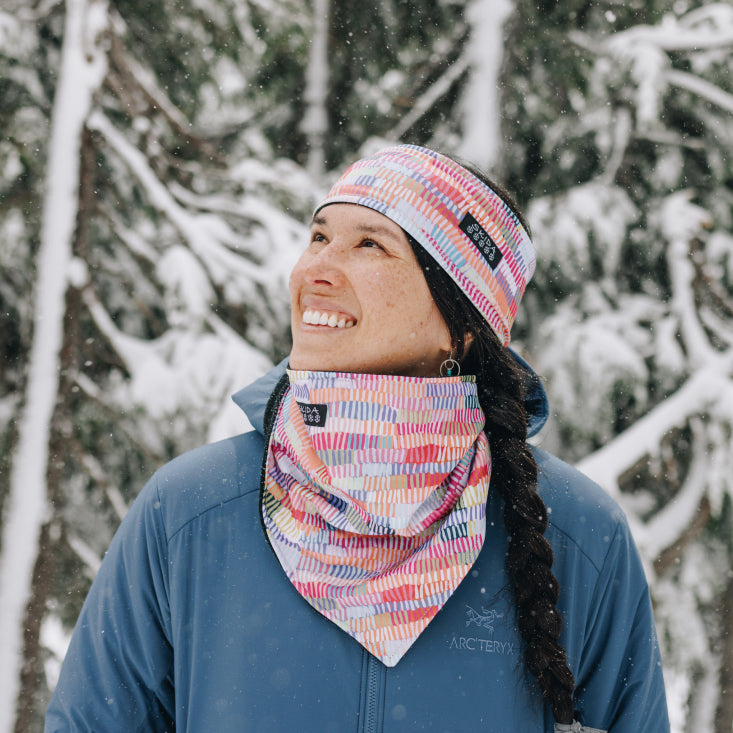
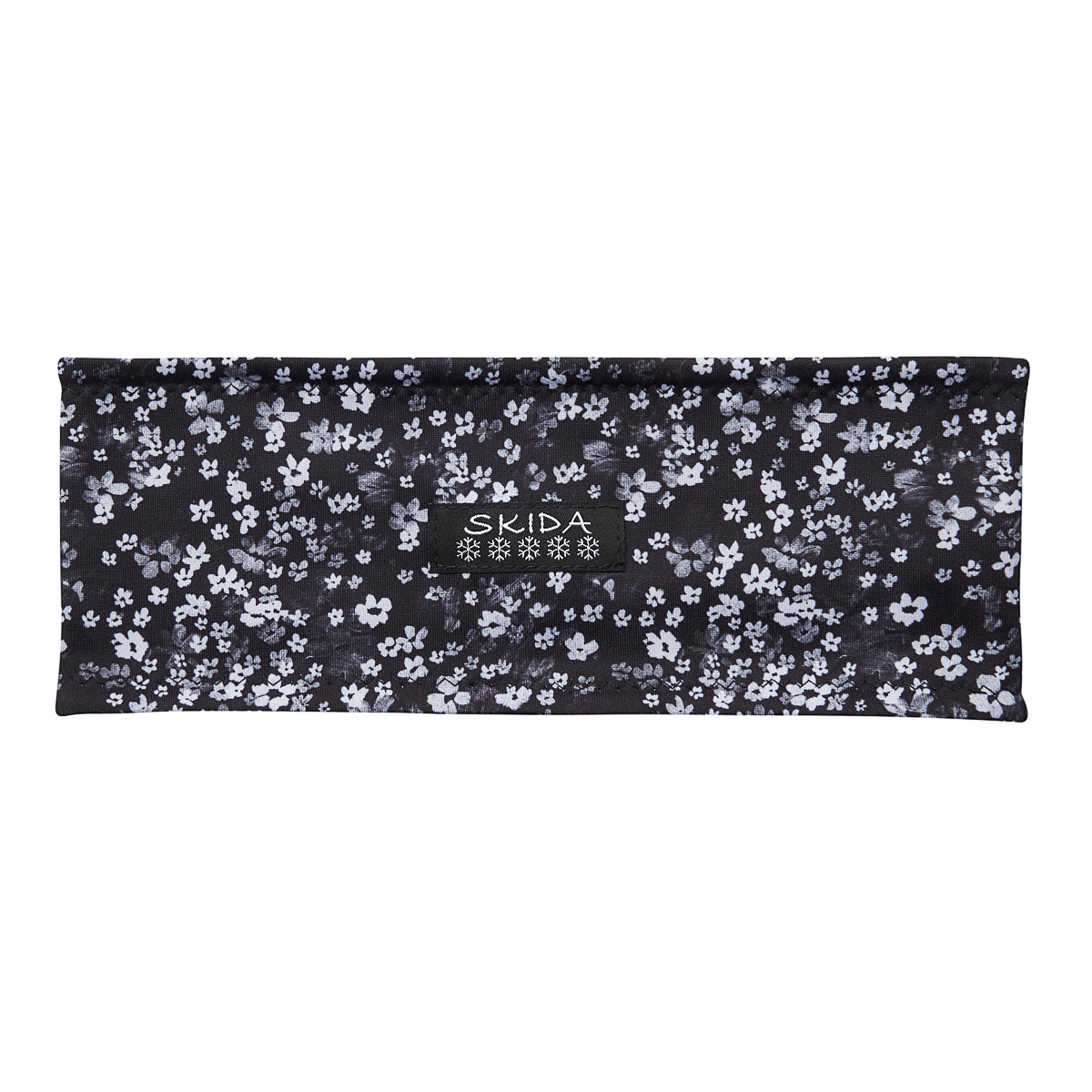
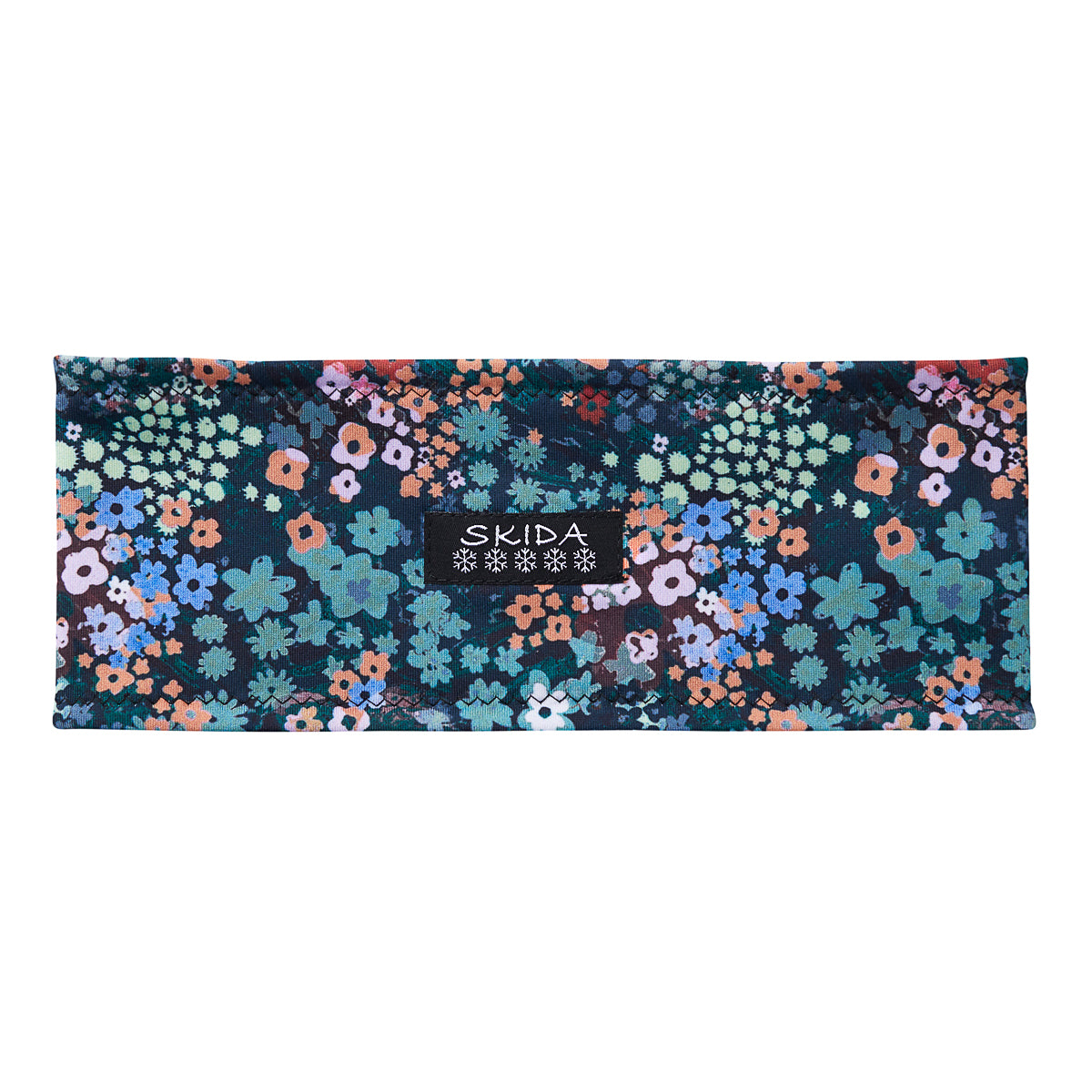
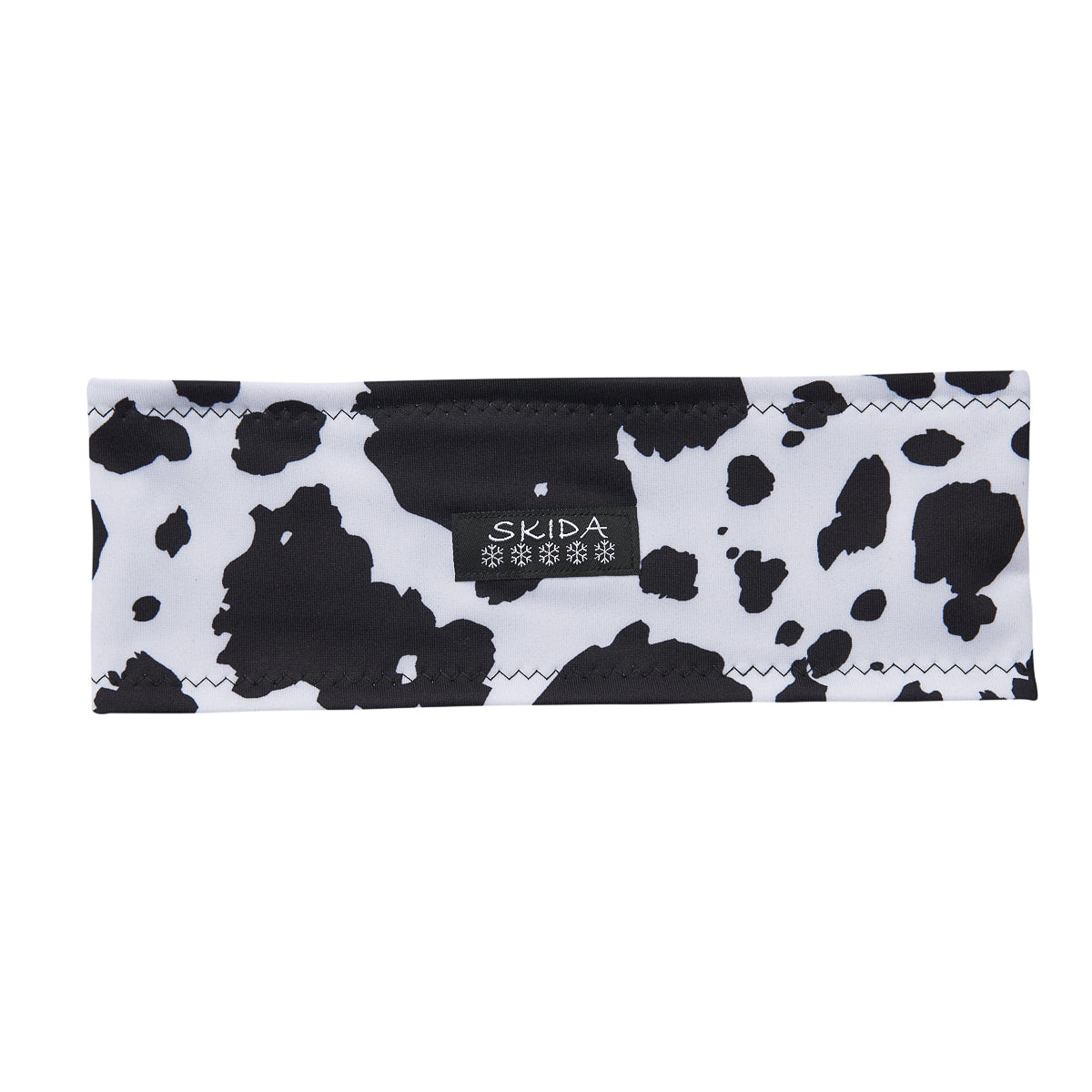
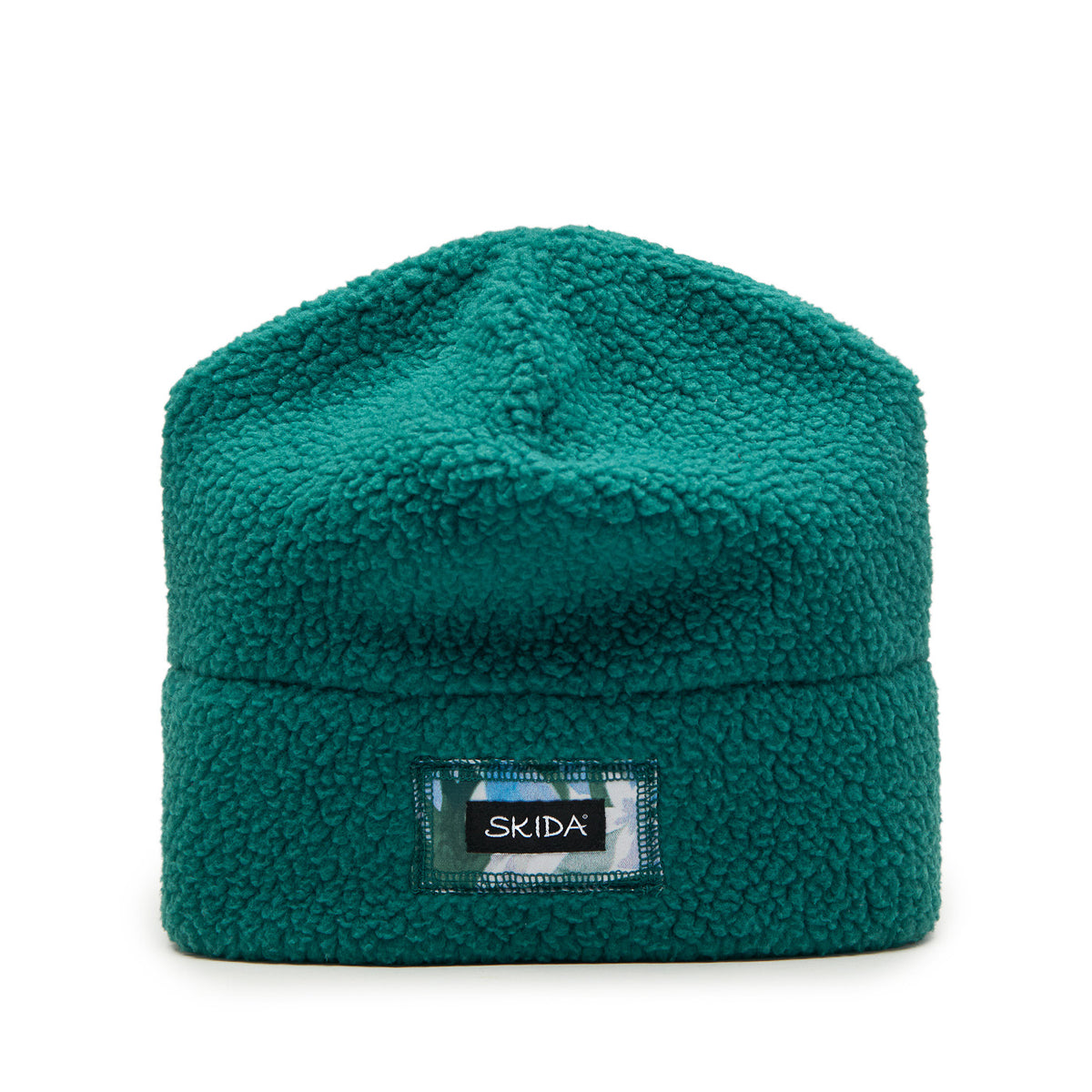
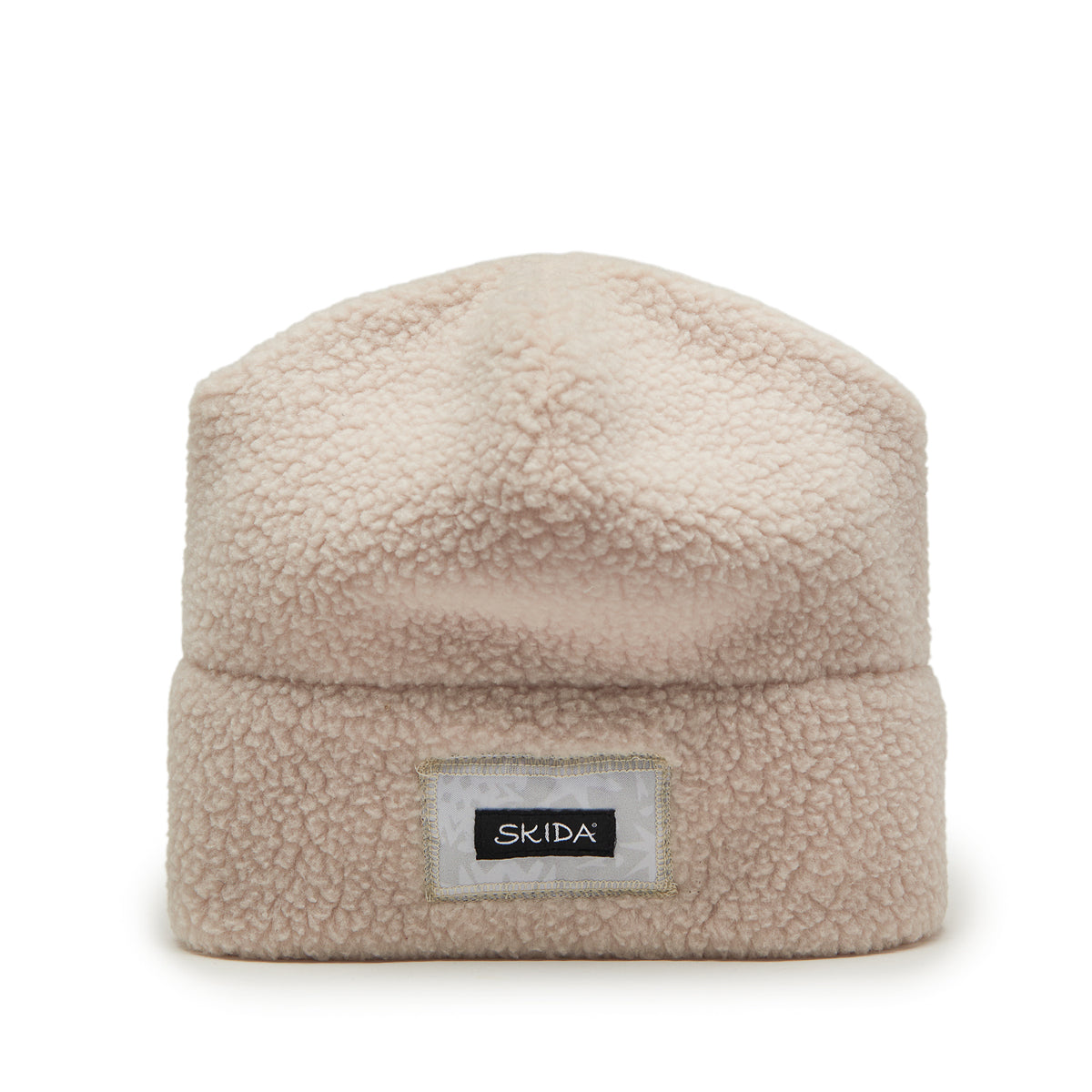
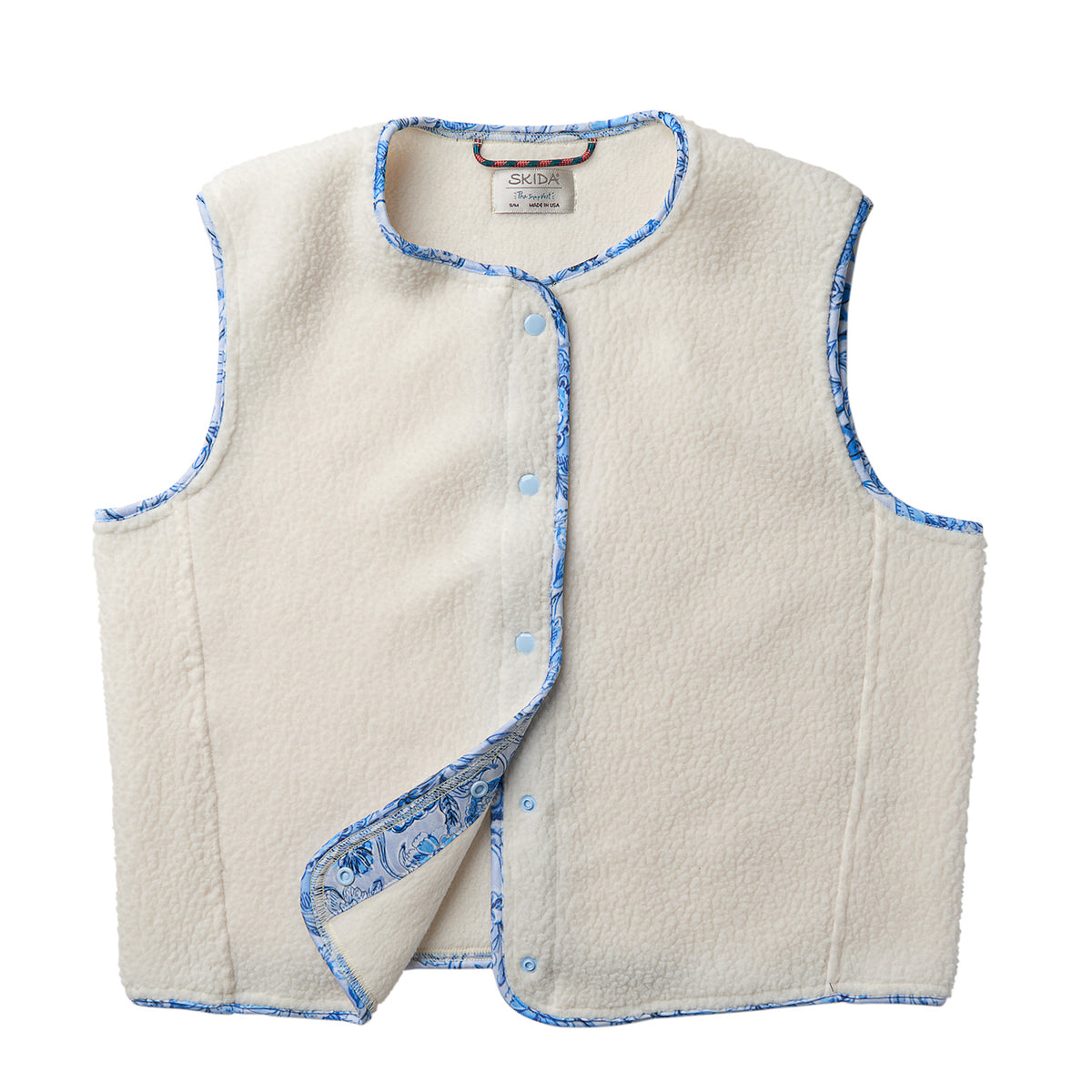
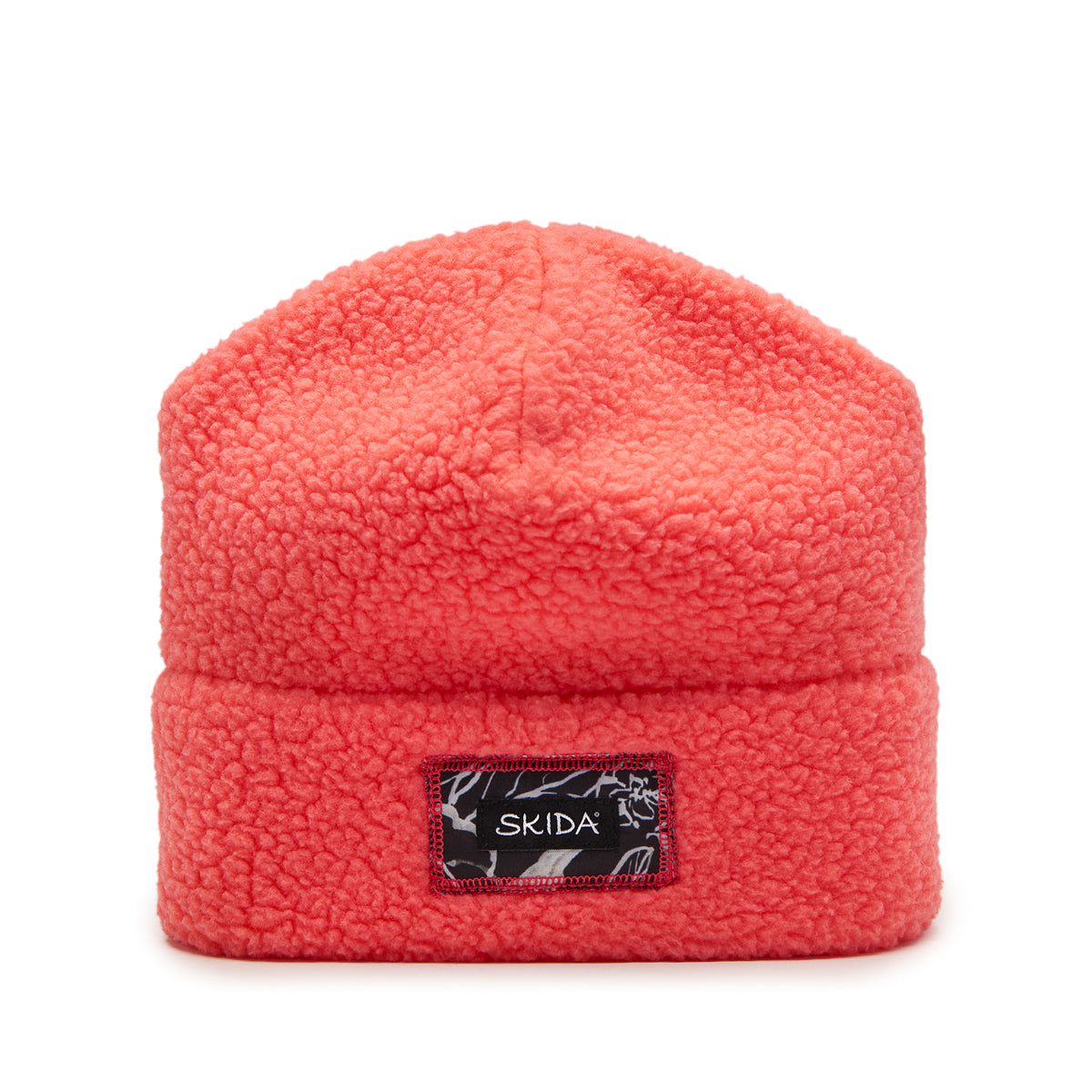
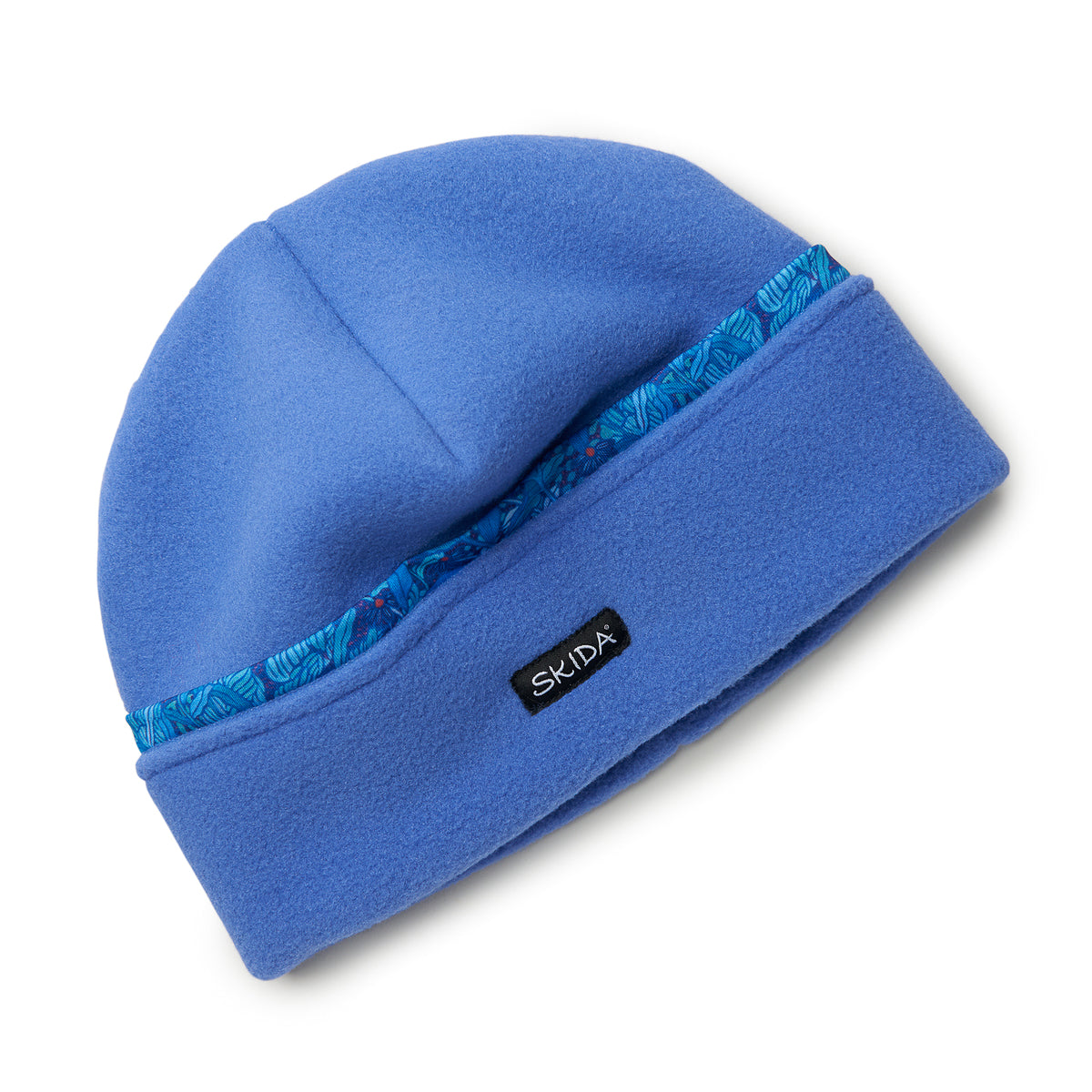
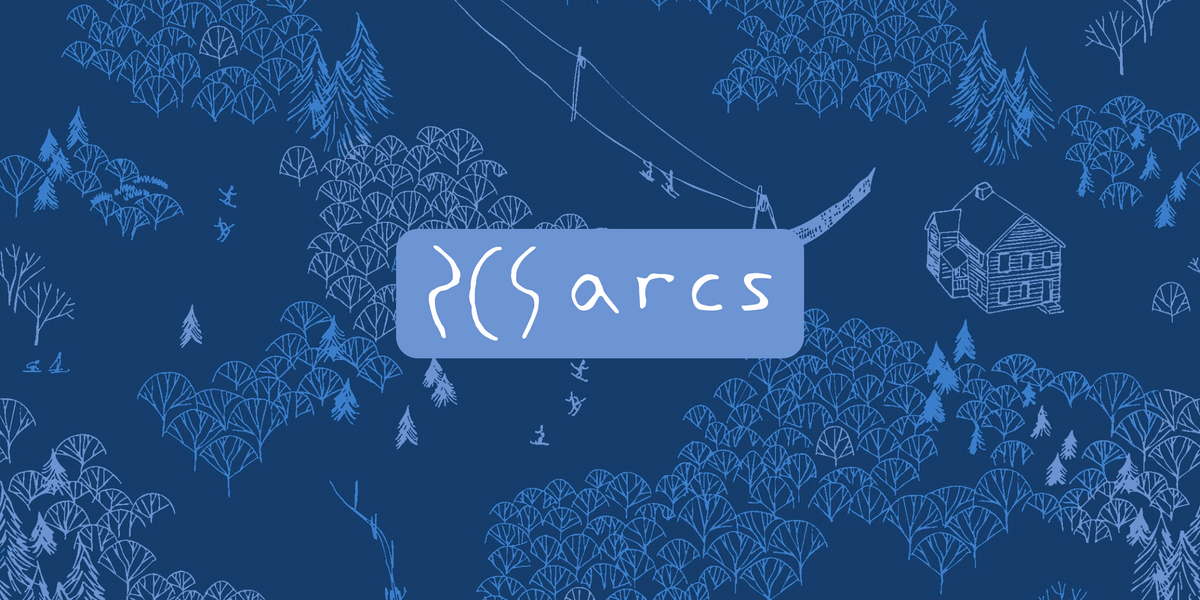
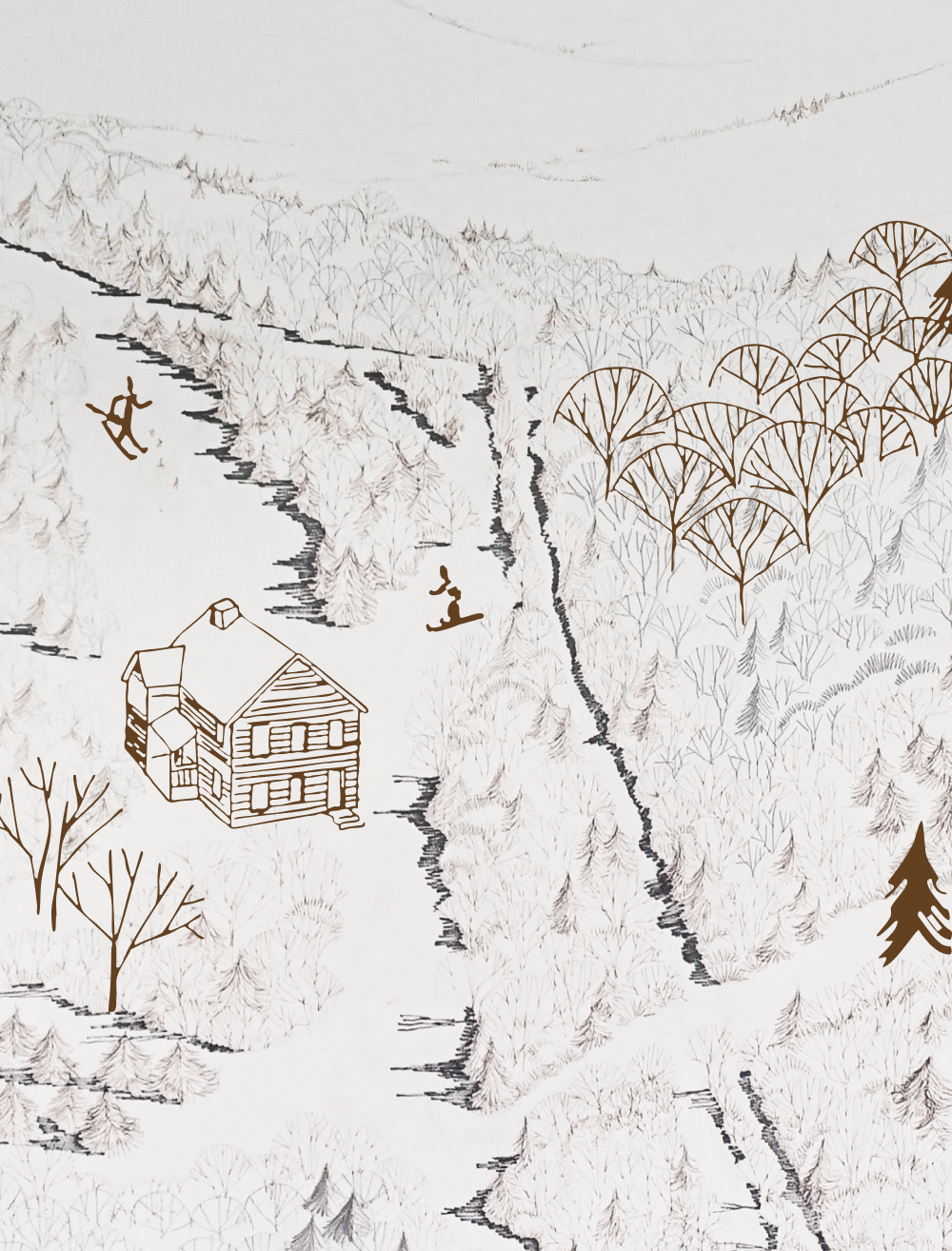
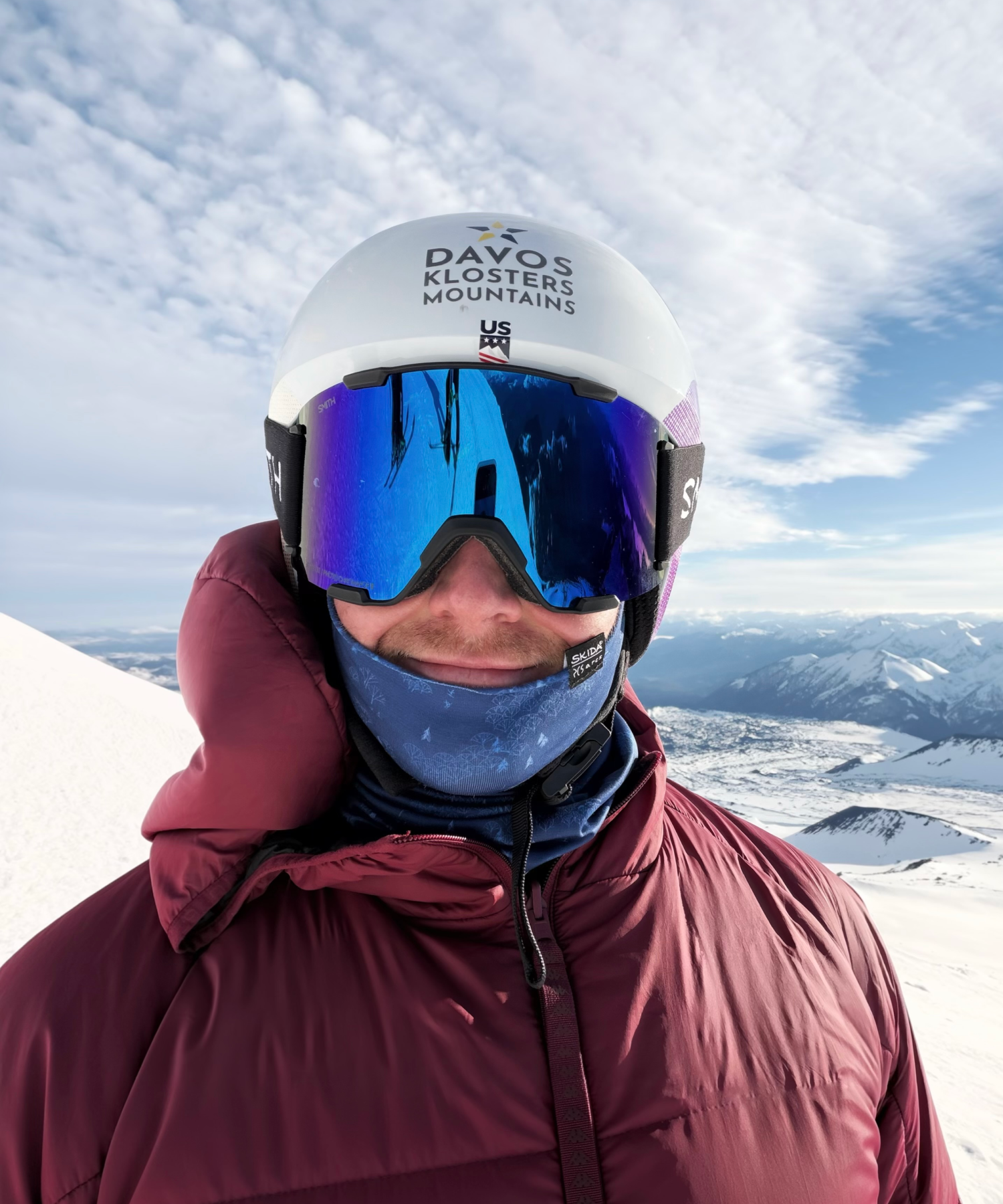
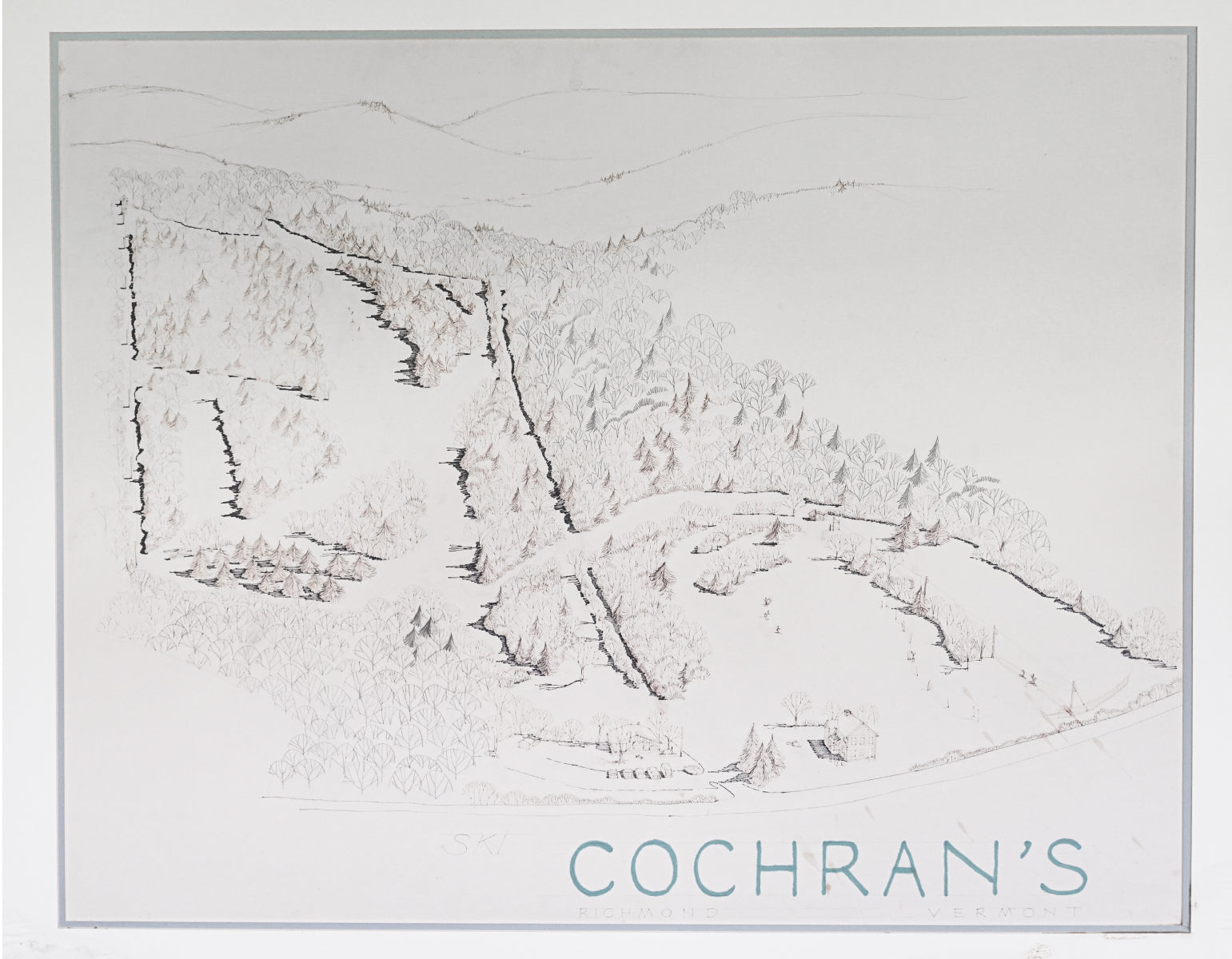
This year’s print is very similar to last year’s Tow Line with an updated color to blue. The part I love most about this print is how it all ties back to Cochran’s Ski Area and the hand drawn trail map that I grew up studying in the lodge. It’s an homage to a place and community that I love so dearly and has had such a lasting positive impact on my own life. It’s also blue this year, which has always been my favorite color! I’m happy with how it turned out, and hopefully it’s something people reach for on a cold morning, that goes well with their cool outfits, without thinking much about it.
2. Why do you choose to partner with Skida?
Skida is a Vermont company, and that matters to me. Since the first print they’ve let me be involved in the design, and I’ve learned a lot from the people on that team. It never felt like I was just lending my name to something. I get to help make a thing I actually use and enjoy wearing, and that’s rare.
3. How does Skida gear hold up from a performance perspective, in training, on race day, and in rough weather?
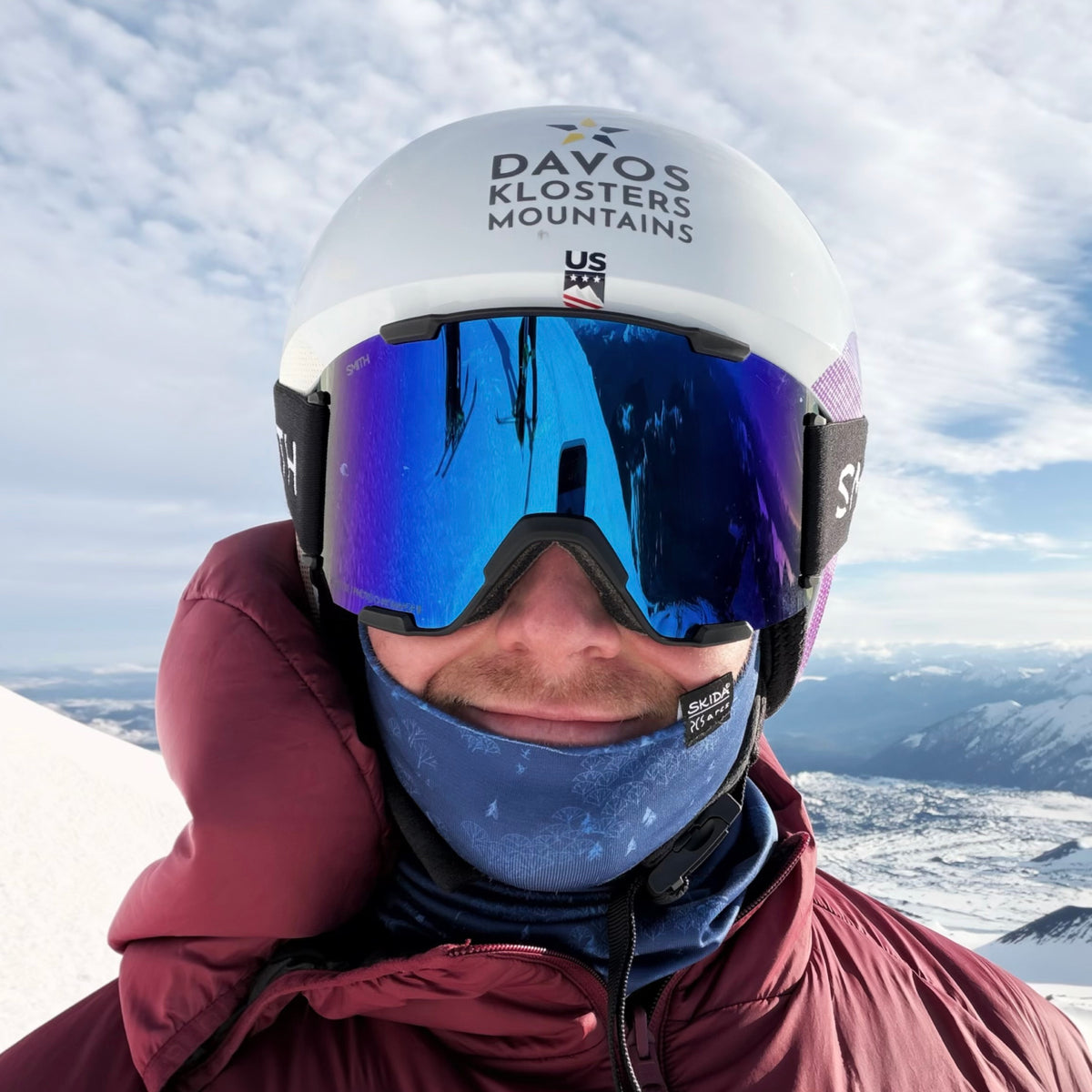
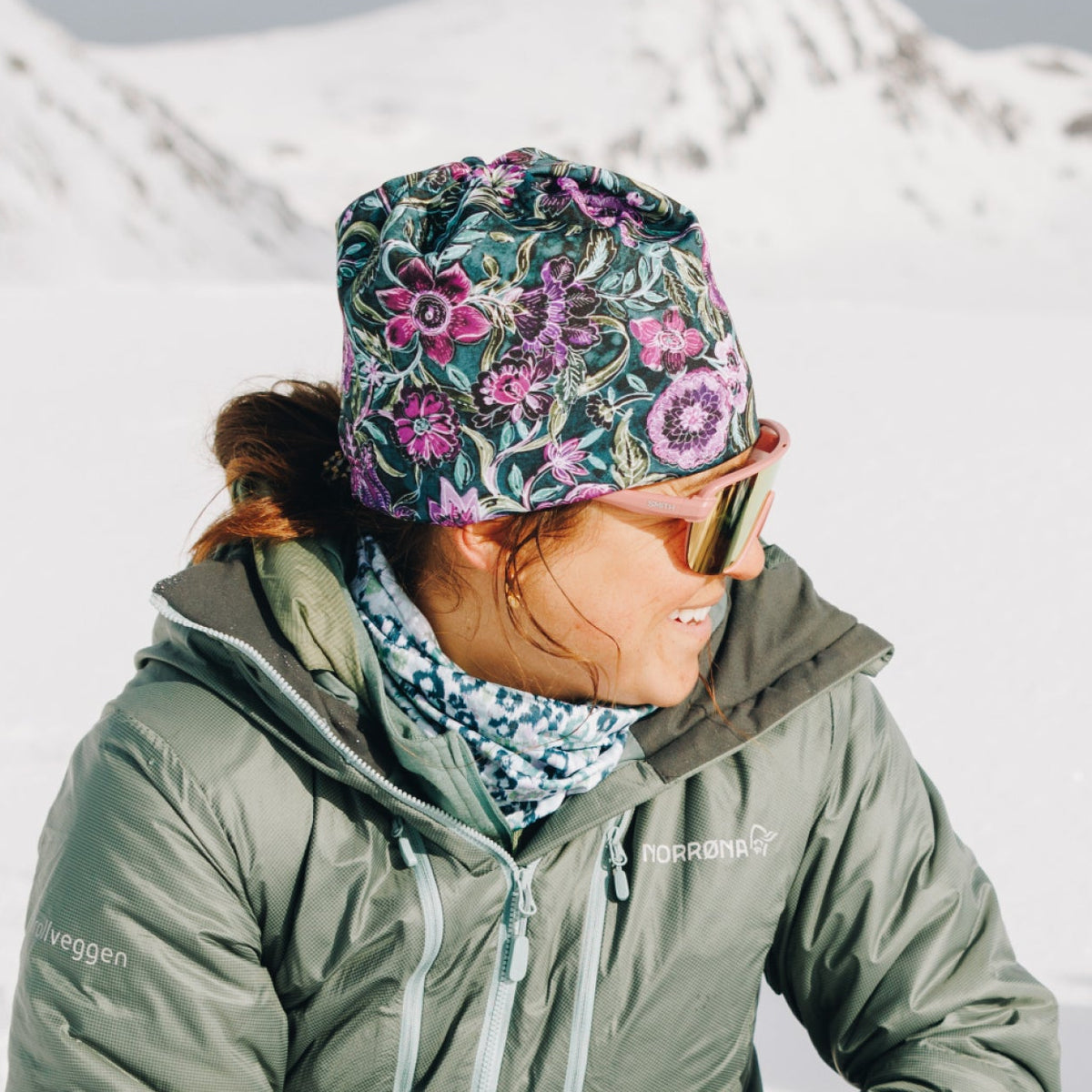
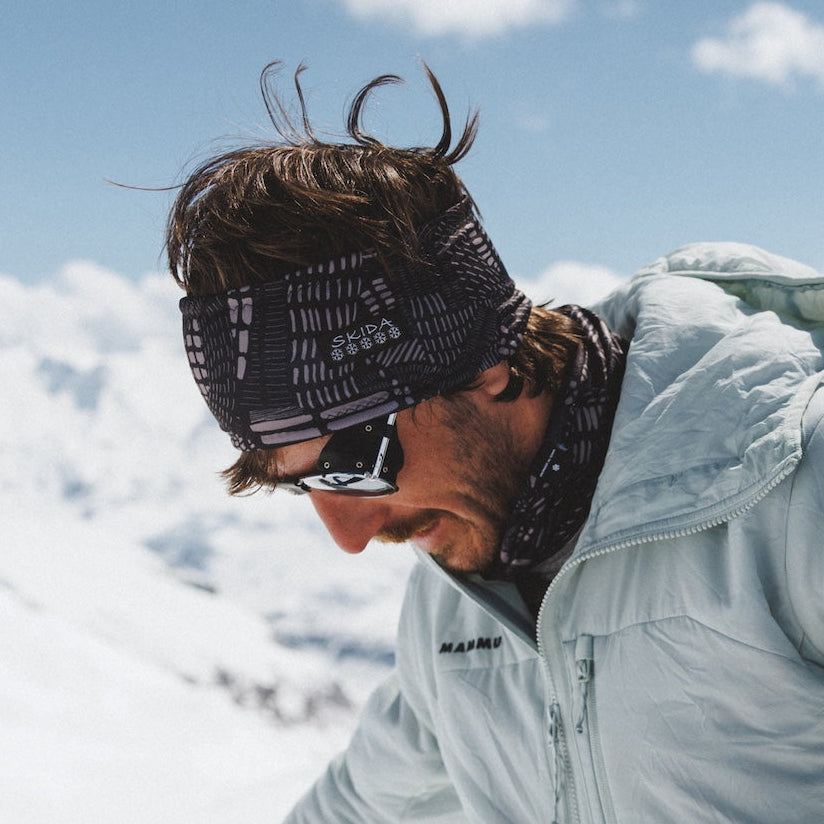
The best thing I can say is that I stop thinking about it. It’s become second nature to put on before I head out skiing, whether it’s freezing cold, warm and sunny, pouring rain, or somewhere in between. It stays put under a helmet, doesn’t bunch up, and keeps me protected over long days on the mountain, with great breathability and function. The only time I don’t have it on is actually for race days in speed where aerodynamics play an important role.
4. What’s your go-to Skida piece, and when do you reach for it?
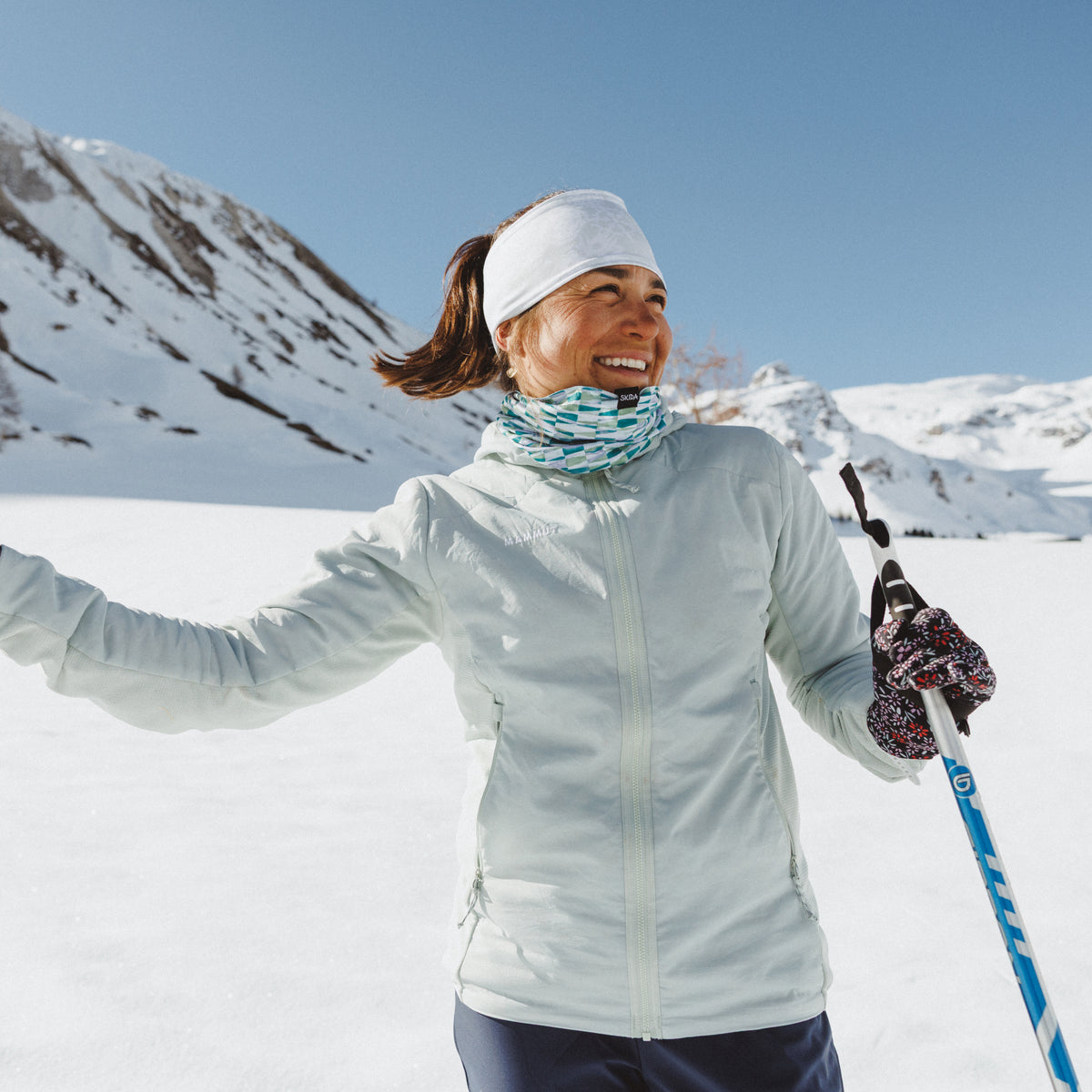
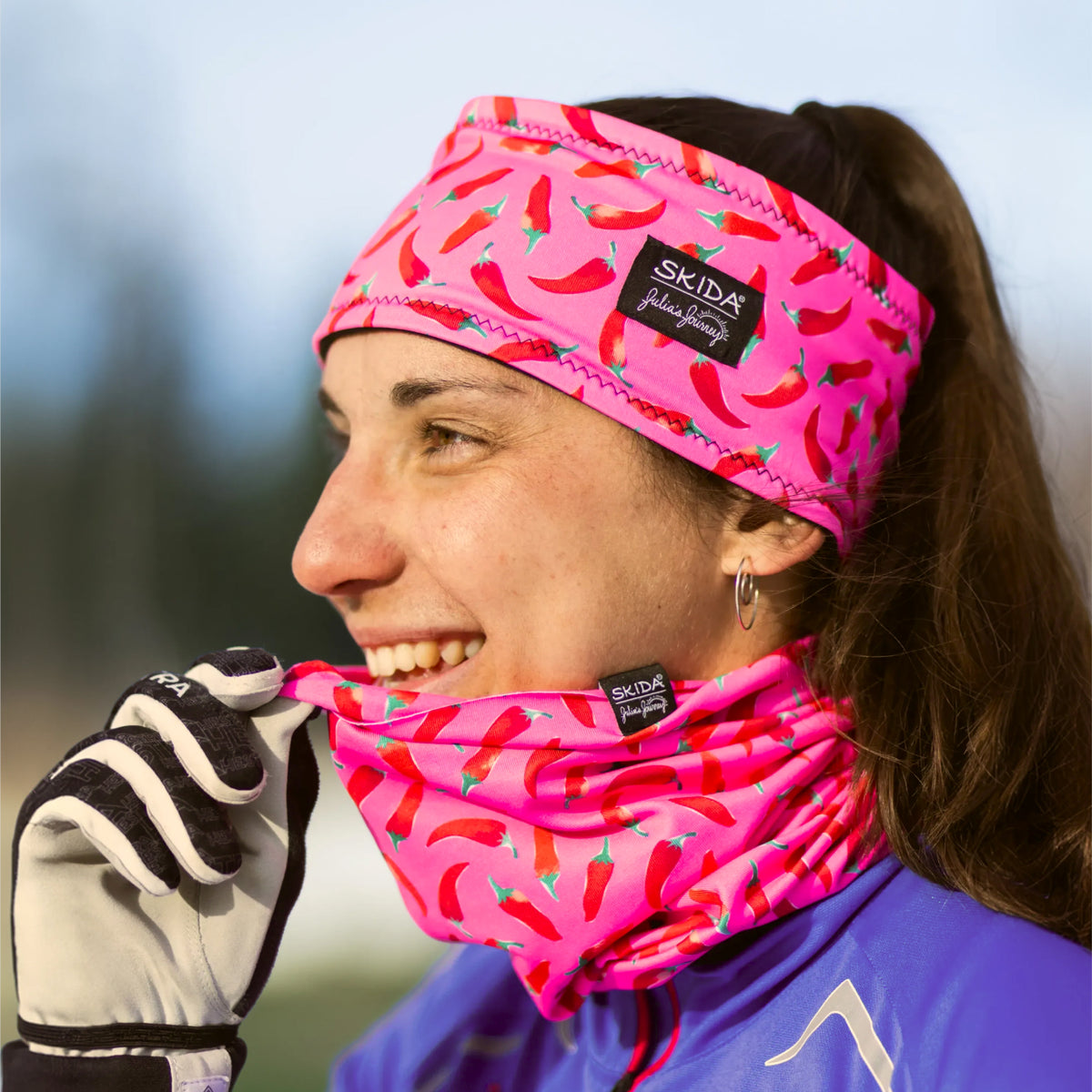
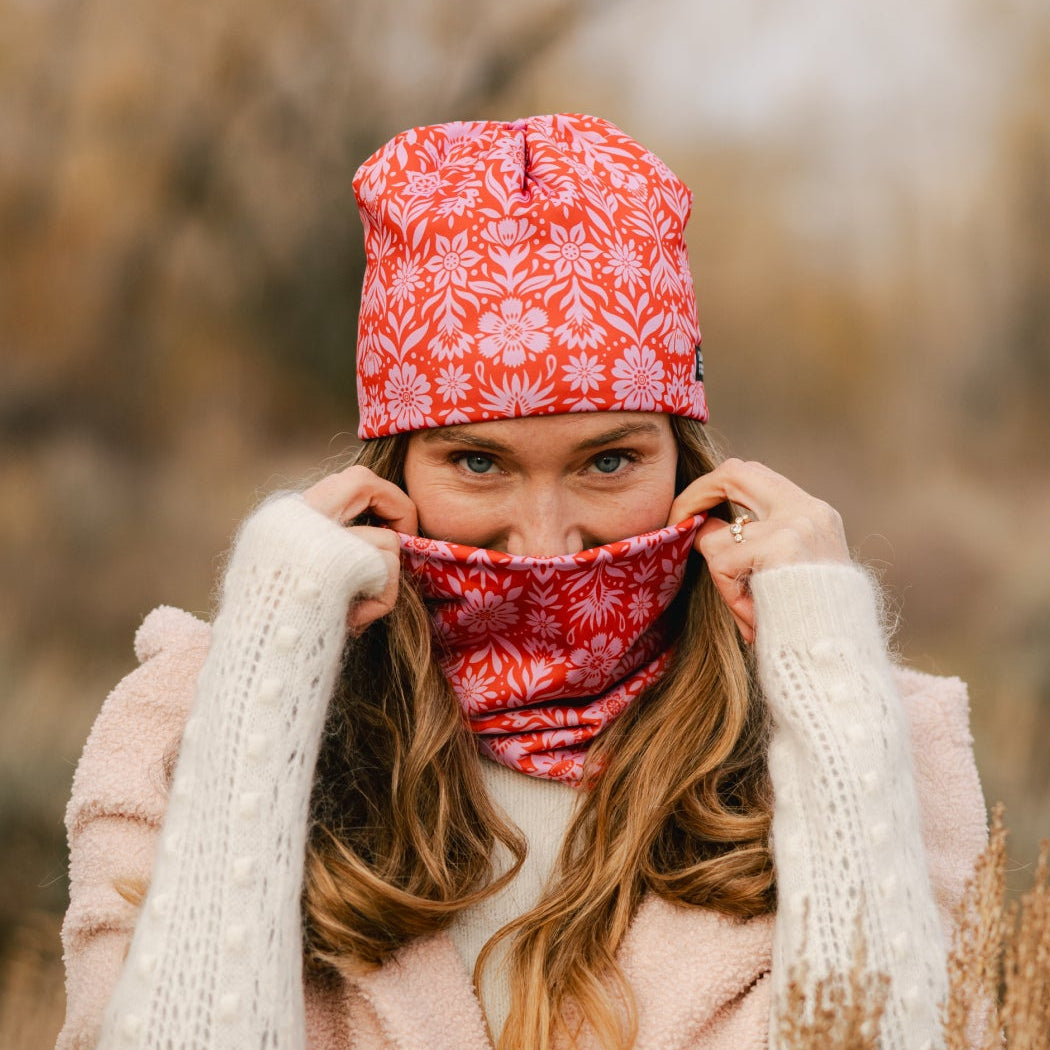
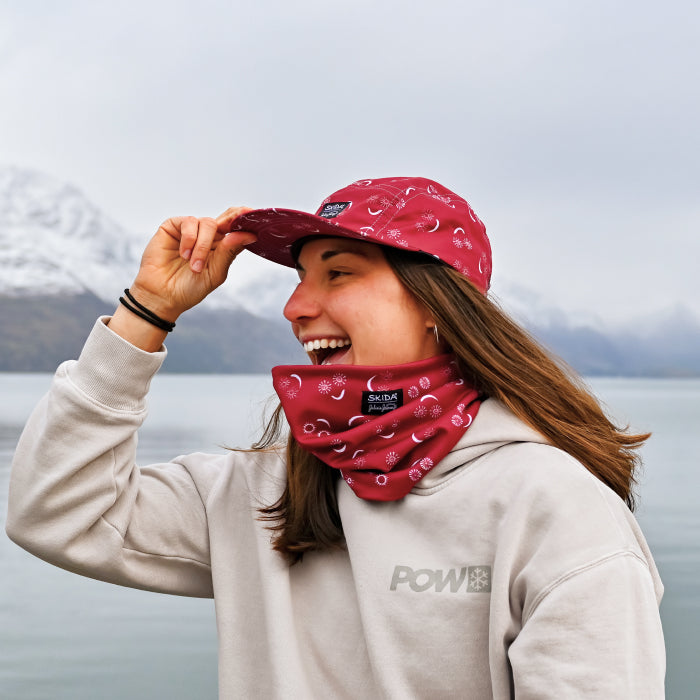
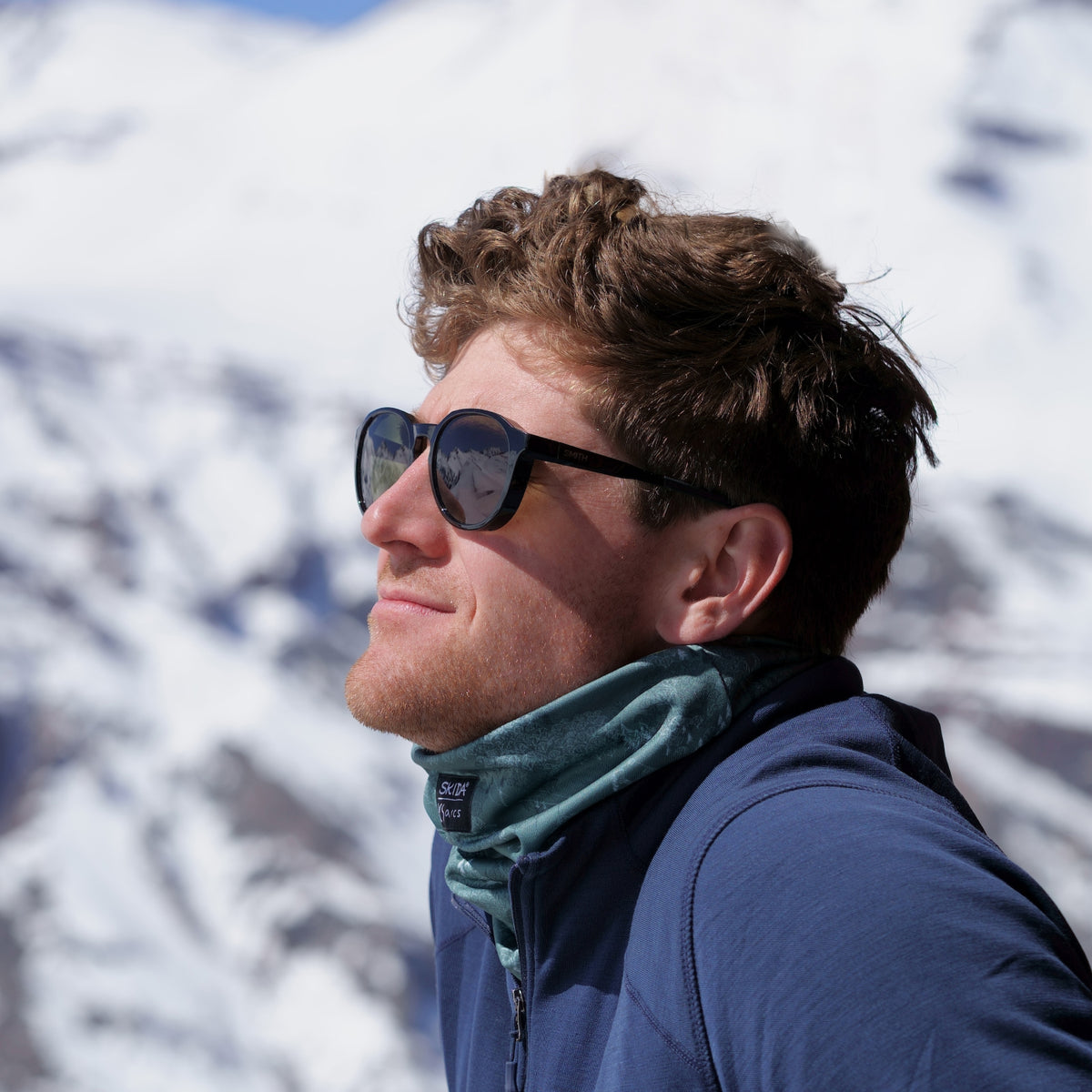
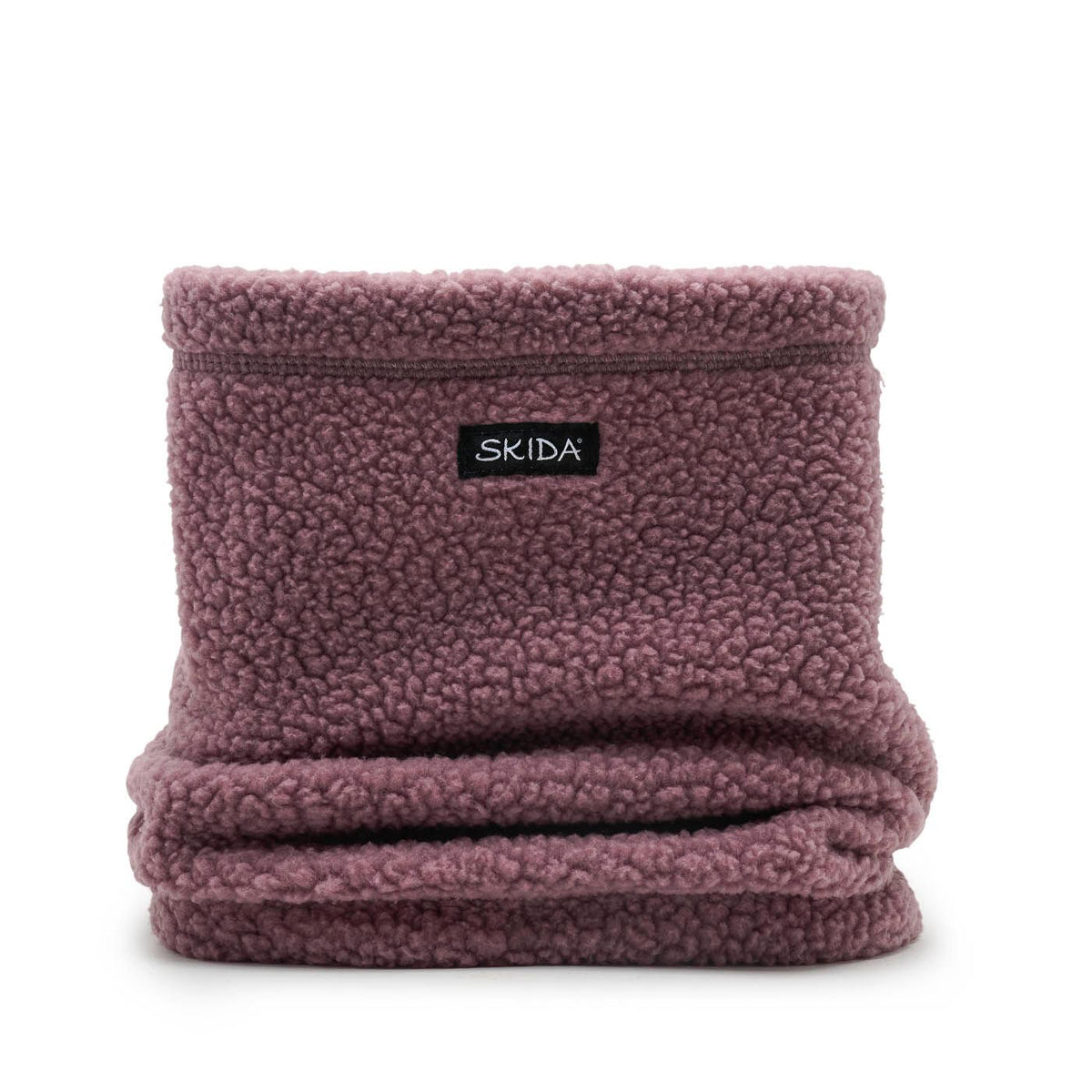
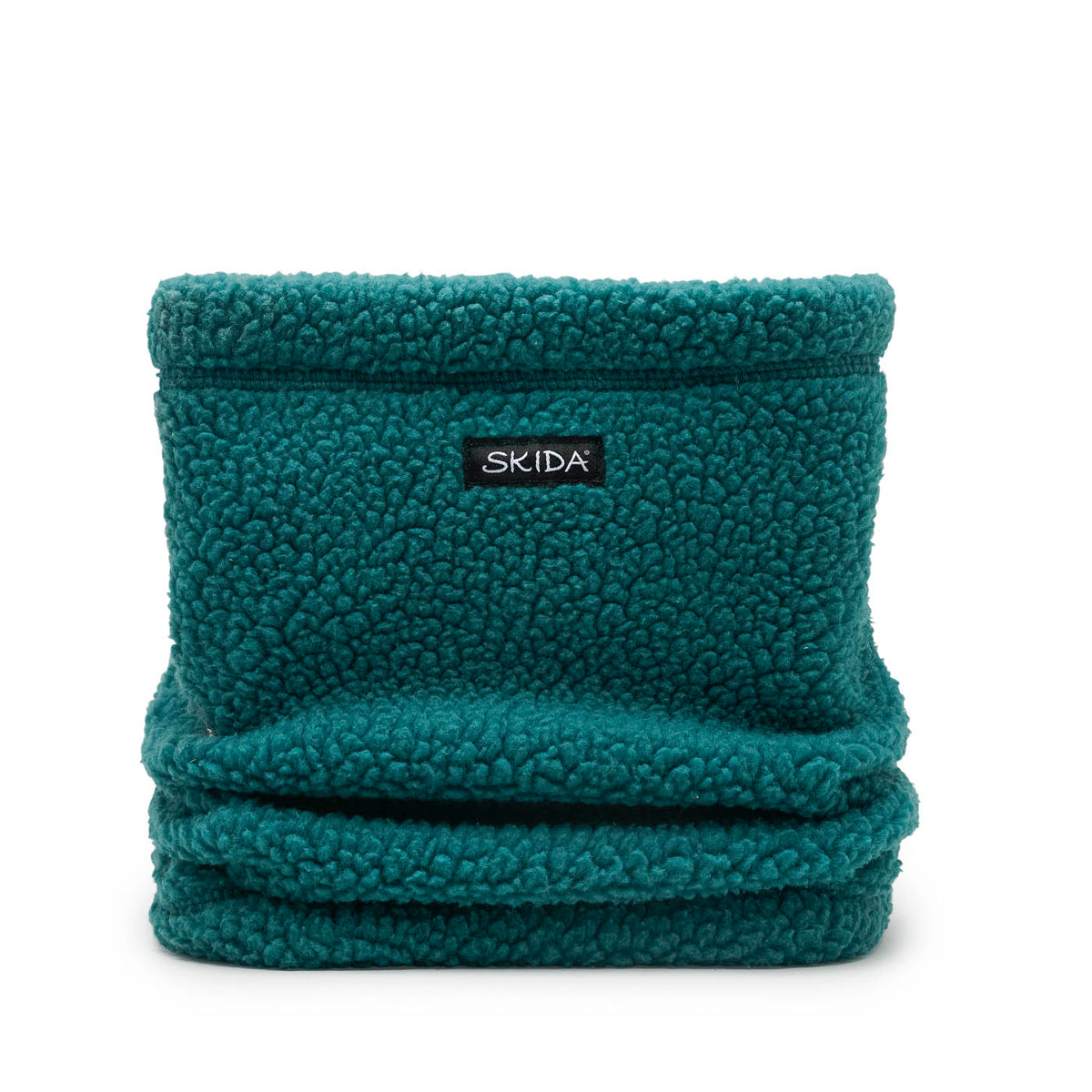
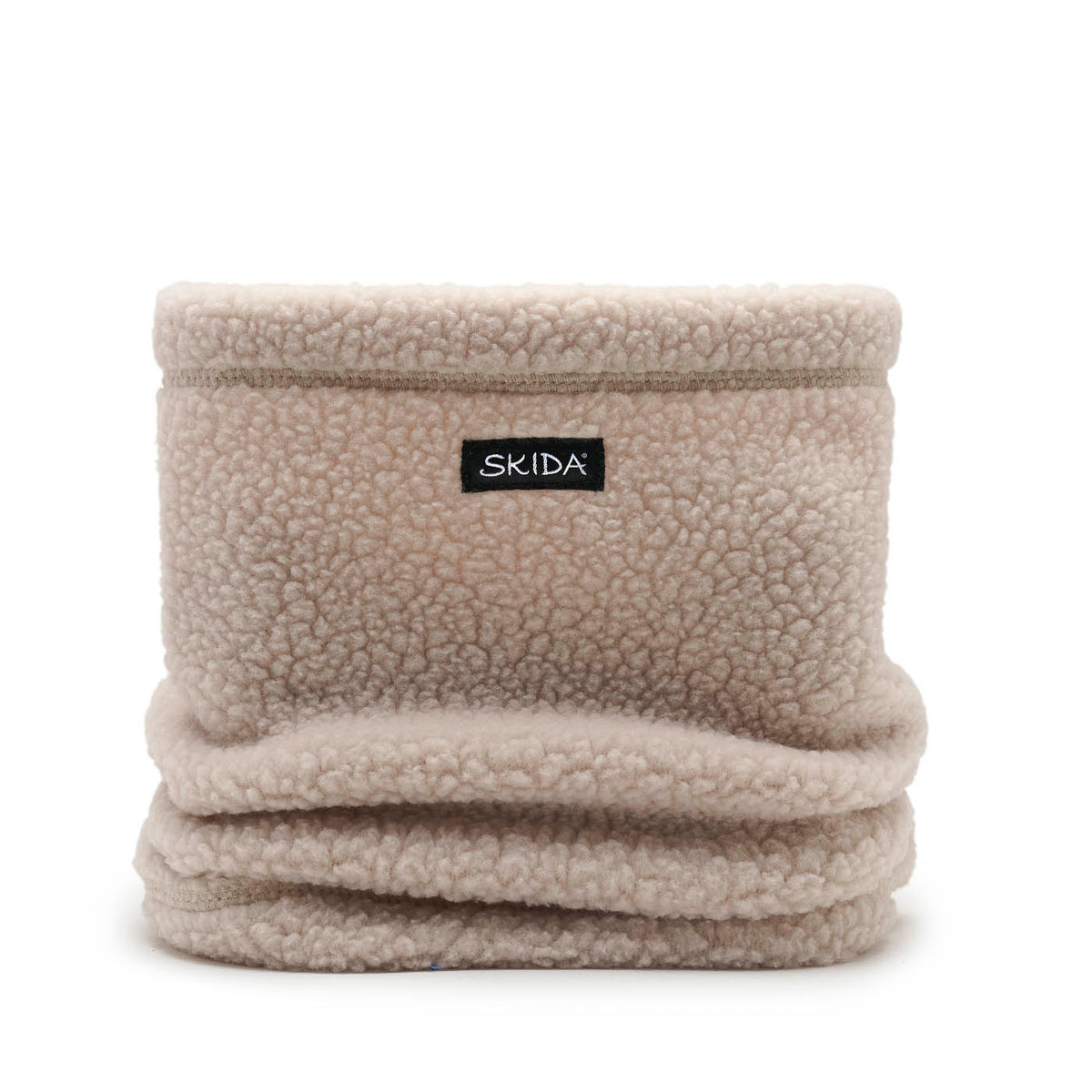
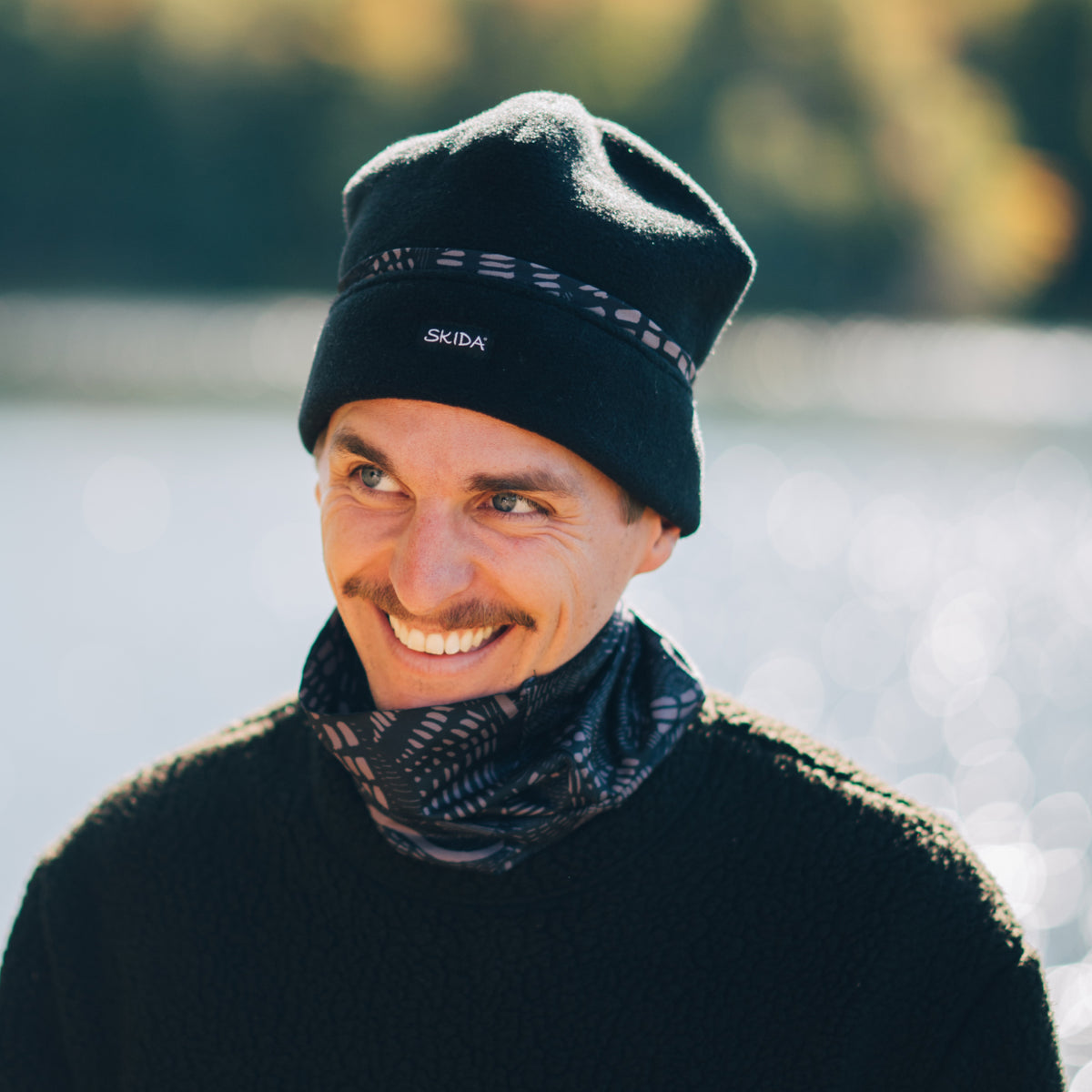
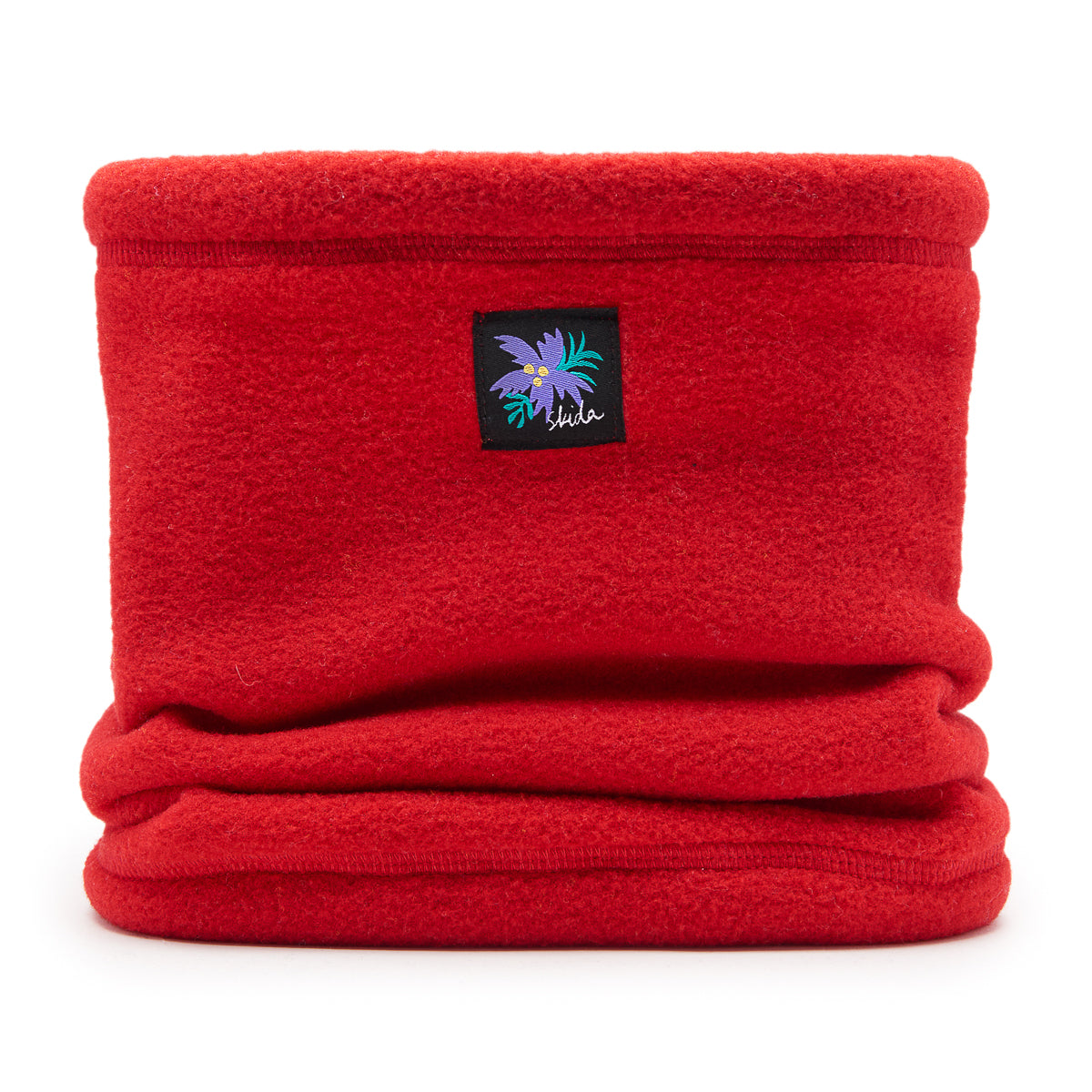
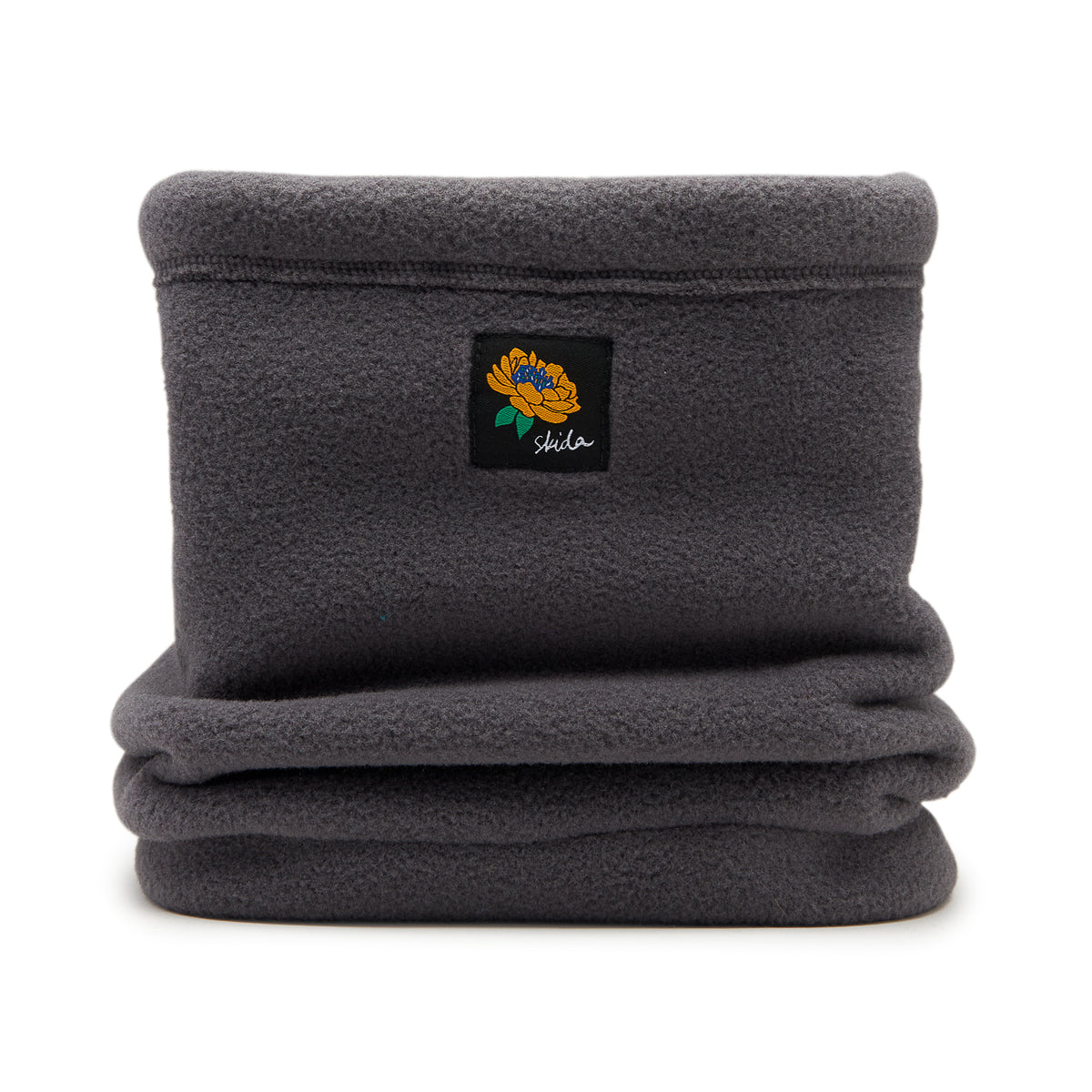
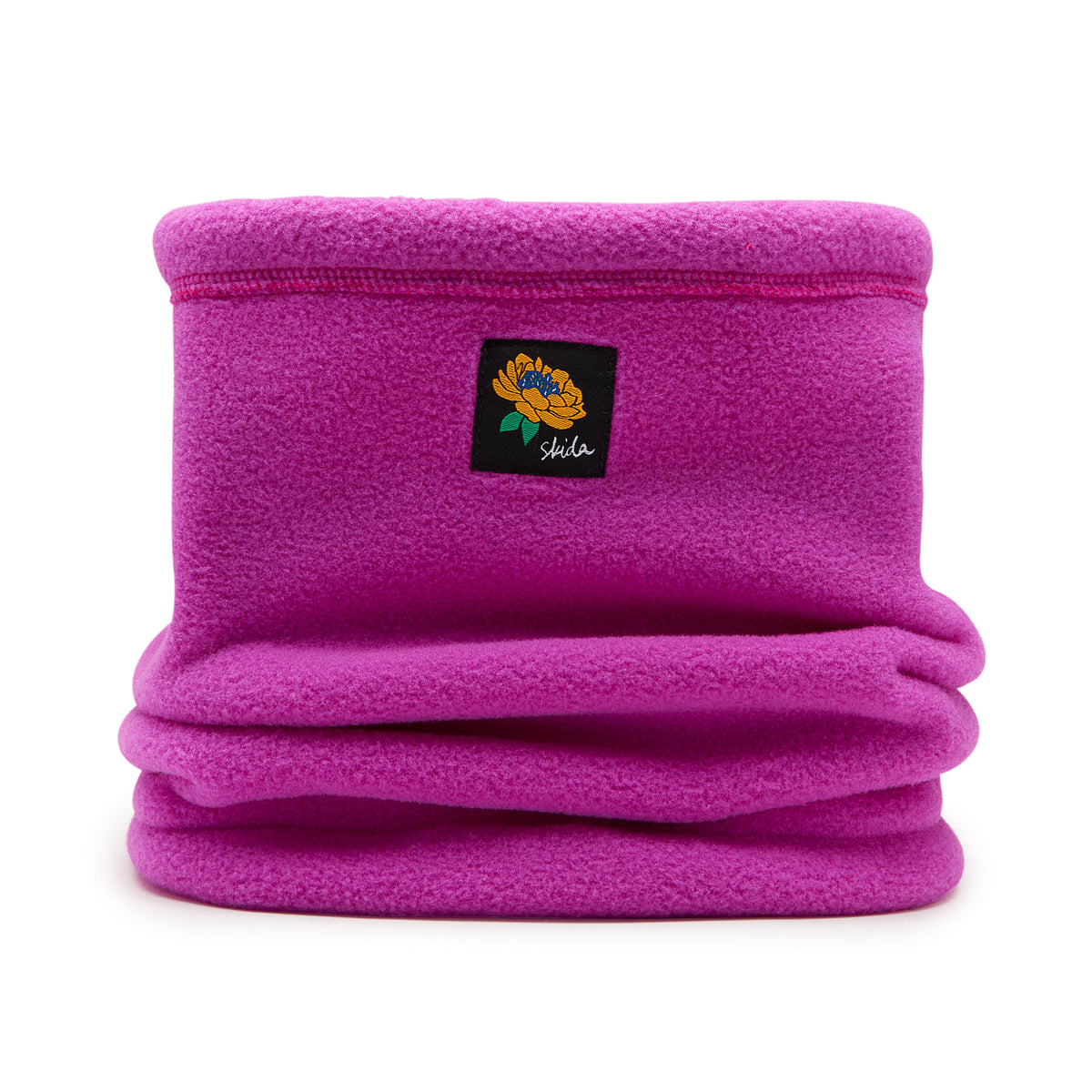
The Snow Tour Neck Gaiter, hands down. It’s the first thing I grab when it’s cold and I’m heading outside. I love the comfort and warmth around my neck without retaining too much heat if I’m being super active. It doubles as good protection against harsh winds and sun as well.
5. With the Olympics under your belt, what are you taking along with you this winter, and what are you leaving behind?
I’m taking the confidence of knowing that my best skiing is strong enough to compete with the rest of the best in the world. I’ve had plenty of successful races, including at the Olympics, and I’m proud of the results I’ve worked hard for. I can also look back and see that my mindset at the Olympics was no different from many of the less significant days. The most important thing has been finding presence in the moment and embracing the challenge head on and with a positive attitude. I’m leaving behind the weight that gets put on any one race. Every season has its ups and downs, and no single result defines it.
6. What are your goals for this winter?
The biggest thing I need to work on this year is improving my consistency from one race to the next. I had a handful of really strong results last season, but my performances on average followed more volatility relative to some of the higher ranked skiers ahead of me. Not every day is going to be a home run, but maximizing each and every effort is very important for the long run. I would also say that I always prefer focusing on things I can assess and control each day: how I’m attacking the fall line, how aligned I feel with my equipment, and whether I’m finding that natural flow in the turns. If I do those things well, the results come easier and matter less.
7. What are you most looking forward to this winter?
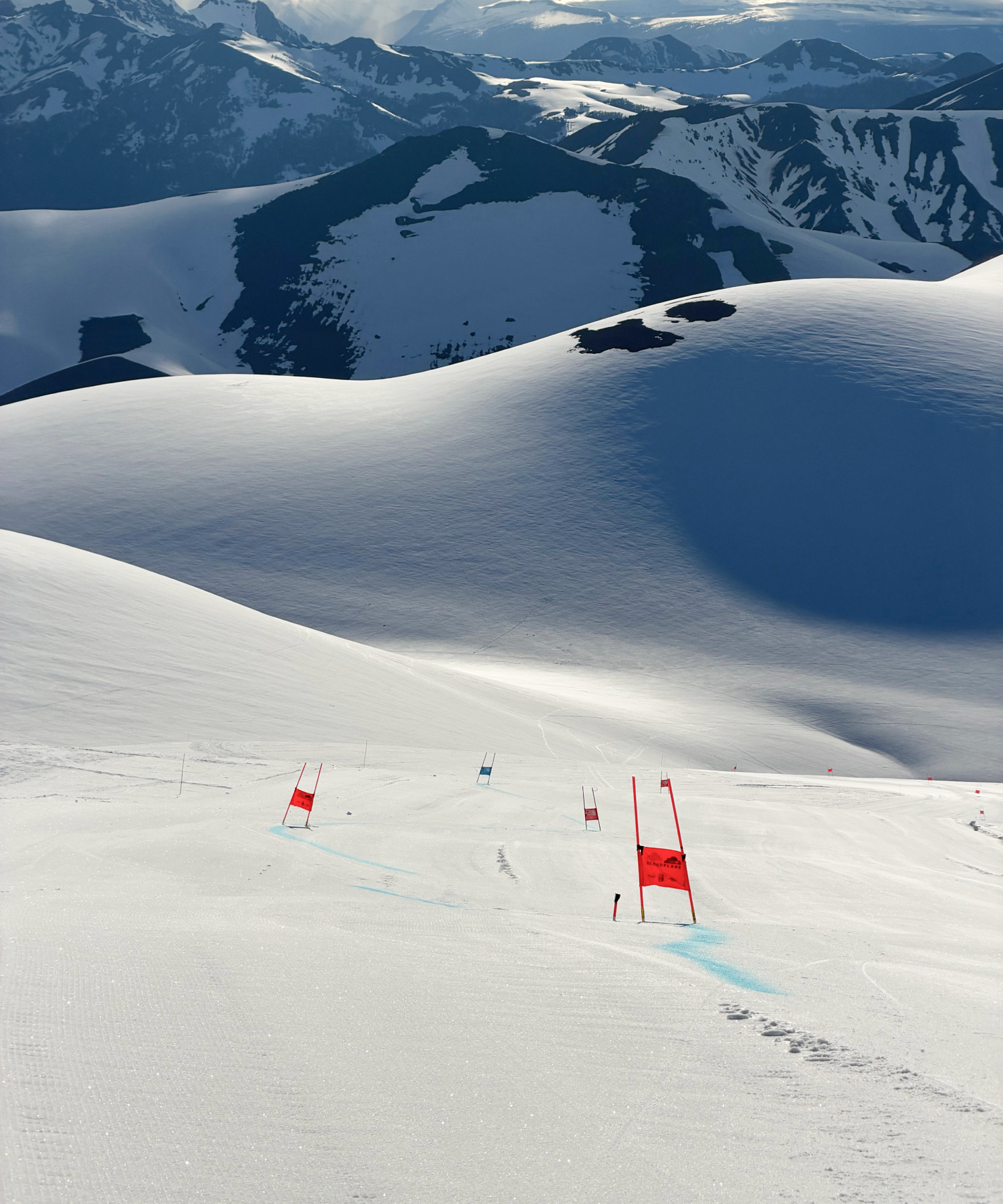
Embracing each venue with a fresh state of mind and doing my best to find the right amount of joy and presence in each spot. The World Cup Downhill schedule is very cyclical in the sense that most of the time we are traveling to all the same venues at the same time of year, season after season. At a certain point it can be hard to not find yourself stuck in old habits with how you approach each day at these venues. I really want to embrace each location this season for the unique aspects and challenging features that make them special.
8. What does Skida’s support, through its Athlete Program and the U.S. Ski & Snowboard partnership, make possible for you this season?
I’m really grateful for it. Both Skida and U.S. Ski & Snowboard have been part of my journey for many years now, so it means a lot to see them working together to support so many athletes on their own paths to excellence. Their backing lets me put my full attention on the work that matters most, which is getting better each day on snow and in the gym. I don’t take that for granted, and I’m thankful to both for being in my corner.
on the olympics:
"To step onto the Olympic stage as a Cochran is a reminder of everything they built before me: the values of humility, resilience, and giving your best no matter the circumstances. I get to honor the generations who paved the way, while hopefully showing the next generation that a small hill and a big heart can take you far."
-Ryan Cochran-Siegle